

Suica, ICOCA, Pasmo: which IC card, and how (2026)
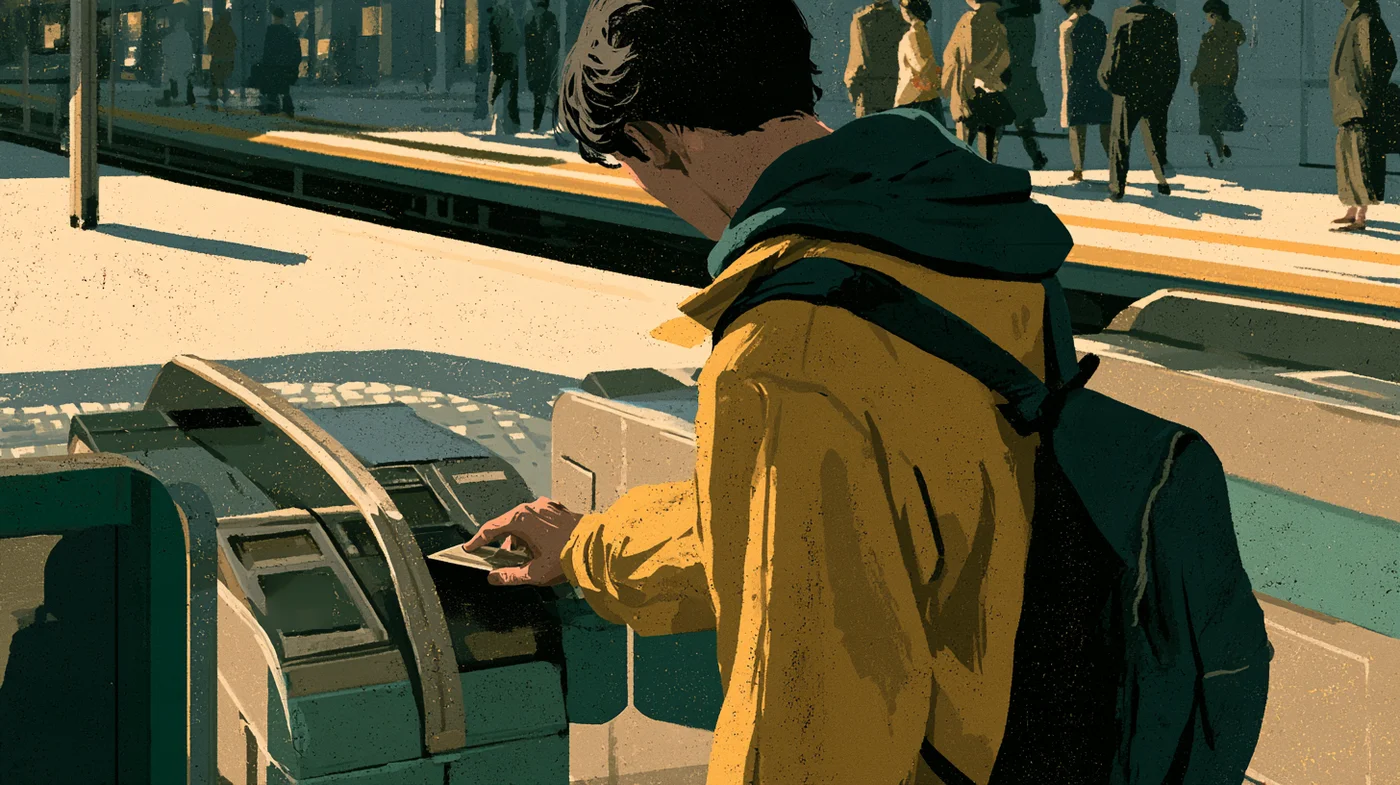
Short answer: don't overthink it. Suica, Pasmo and ICOCA are the same thing to a visitor — an IC card (that's integrated circuit, the chip inside; nothing to do with an identity card) that taps you onto nearly every train, subway and bus in the country. Get whichever one is in front of you. And if you carry an iPhone, don't buy a plastic card at all: add one to your phone before you fly.
They all work everywhere now
This is the bit people miss. Japan has ten regional travel cards, and they were long ago linked up, so they all work in each other's cities. A Suica bought in Tokyo taps you onto the subway in Osaka, the buses in Kyoto, the trains in Hiroshima. An ICOCA from Osaka works fine in Tokyo. So "which card" really just means "which one is easiest to grab where I land" — the card itself makes no difference to your trip.
They pay for more than trains, too: buses, convenience stores (konbini), vending machines, coin lockers, and plenty of shops. It's your tap-for-everything card, not only a train ticket.
The easy 2026 answer: put it on your phone
If you have an iPhone (8 or newer), add an IC card in the Apple Wallet app before you leave home — Suica, Pasmo and ICOCA all work in Apple Wallet, and since they're interchangeable for a visitor, just add Suica and move on. It takes about five minutes, there's nothing to buy at the airport, and nothing to refund when you leave. Top it up with a card in Apple Pay, or with cash at any station machine or konbini. Tap the phone at the gate and walk through.
The catch: this is easy on iPhone and awkward on most Android phones from outside Japan — the chip they need usually isn't switched on. If that's you, grab a plastic card instead. It's no hardship.
If you'd rather hold a card
- Standard Suica / Pasmo / ICOCA — from the ticket machines and counters at stations and airports. The touchscreen machines have an English button (and usually Chinese and Korean too), so they're easy to work even though the colours and layout differ from one operator to the next. They carry a ¥500 (~US$3) deposit you get back when you hand the card in, on top of whatever you load onto it. Refillable forever, so keep it for your next trip.
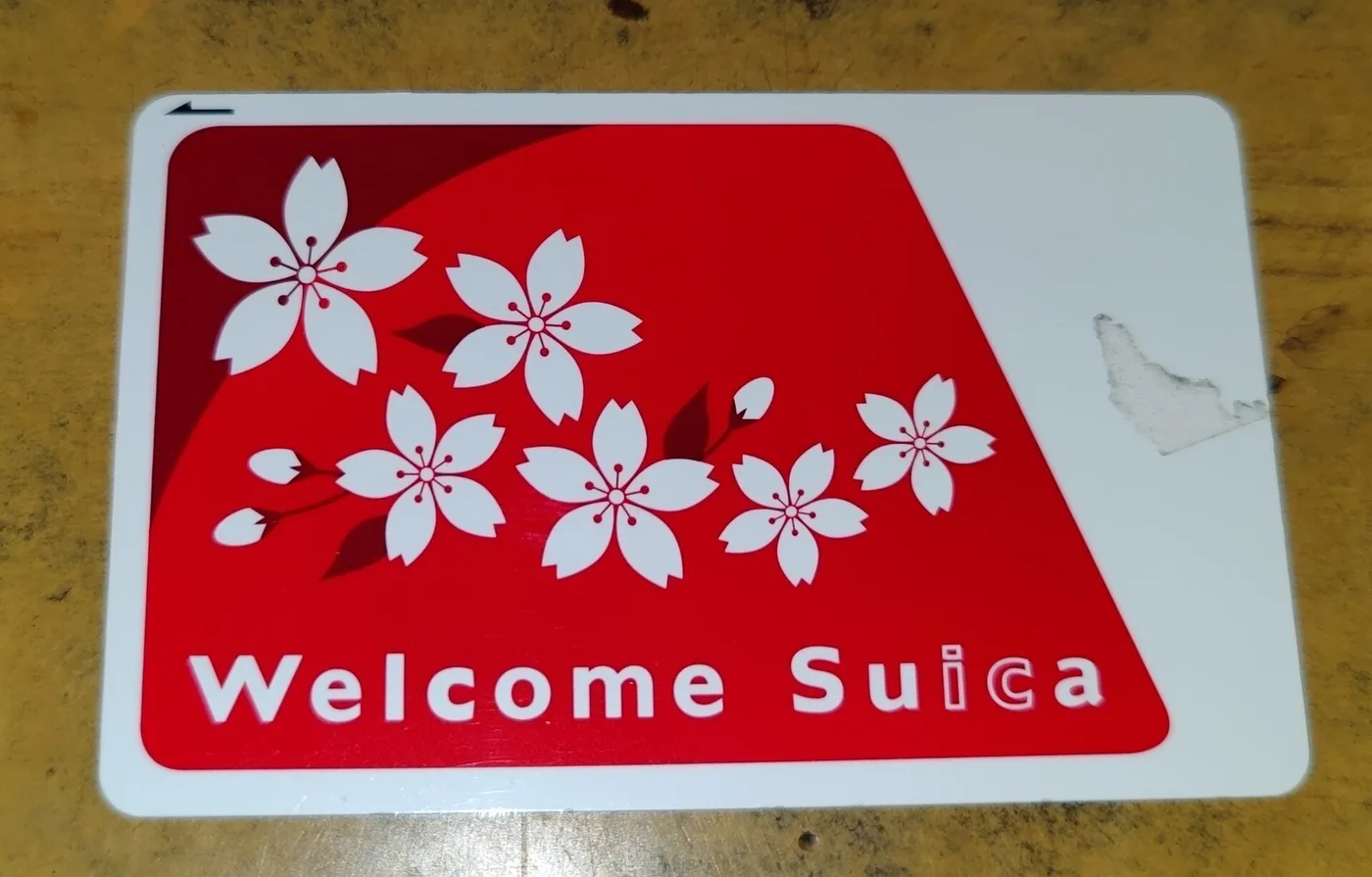
- Welcome Suica / Tourist Pasmo — the visitor versions. No deposit, grabbed at the airport, but they stop working 28 days after purchase and any money left on them is not returned. Fine for one short trip — just run the balance down before you fly out.
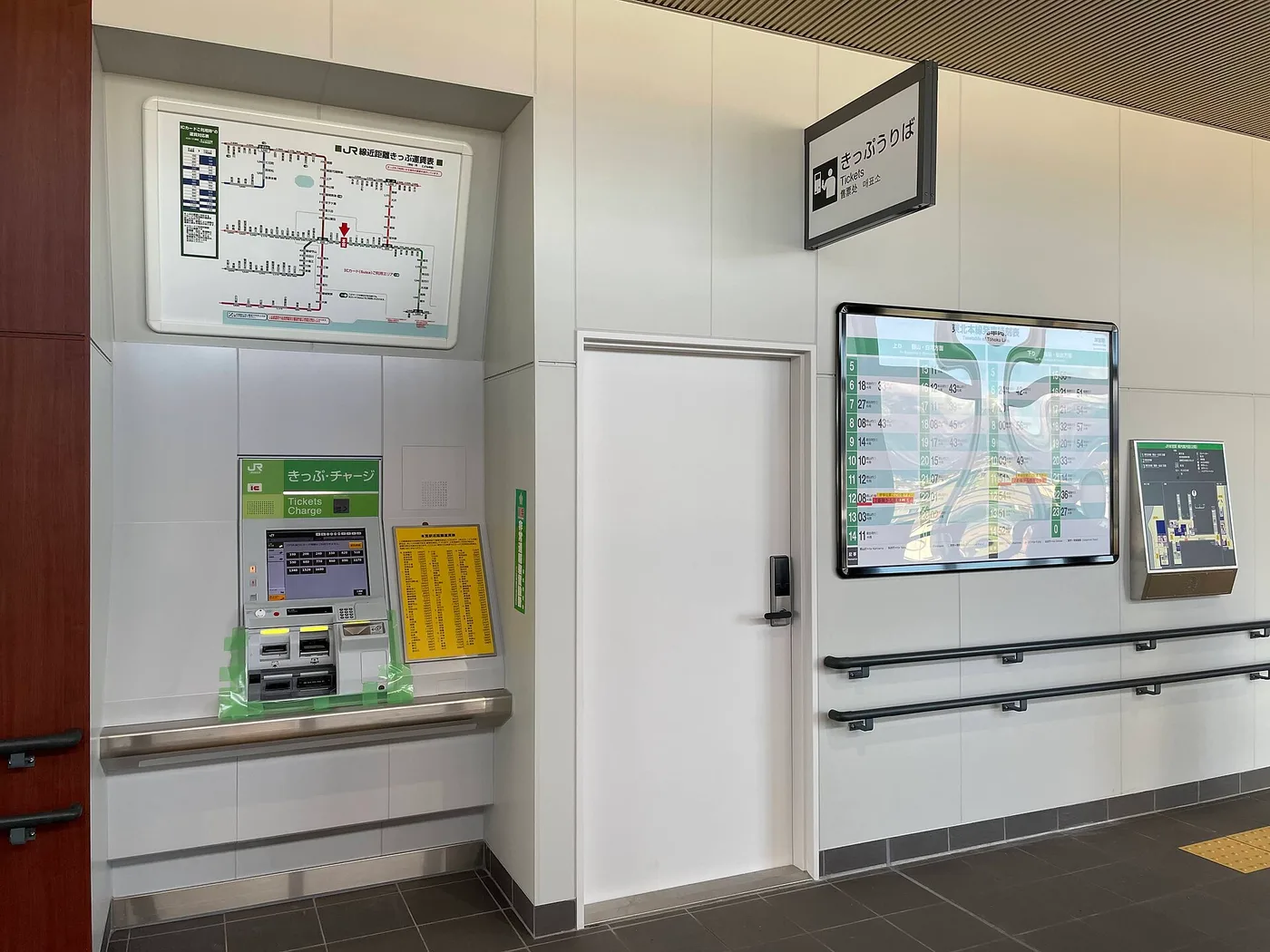
Land at Kansai (Osaka) and ICOCA is the one on the counter; land at Tokyo and it's Suica or Pasmo. It bears repeating: it doesn't matter which — they all work everywhere.
"But I read you can't buy a Suica"
Old news, and worth clearing up because it's still all over the internet. A chip shortage in 2023 did pause sales of the regular cards for a while. That's over — normal Suica and Pasmo sales came back on 1 March 2025. If a blog tells you the card is sold out, it's out of date.
The one thing an IC card doesn't do
A plain IC card pays the base fare, not everything — a shinkansen or a limited-express seat still needs its own ticket on top. The neat modern way: book on the smartEX app and link the reservation to your IC card, and you tap that same card through the bullet-train gates (they're separate from the local ones). The full how-to — booking, seats, the big-suitcase rule — is its own guide, and whether a rail pass is worth those bigger trips is another question again.
Don't lose your first hour to this
The real trap is landing jet-lagged and burning half an hour at a machine, choosing between cards that all do the same thing. Sort the card in five minutes — phone if you can, whatever's on the counter if you can't — and go. The days are the part worth planning: tell us your cities and dates and we'll build the route on the actual train lines, so you just tap through it. It's a solid first cut you can run with, in about a minute.
A full day-by-day plan in about a minute — free, no account.
✨ Plan my trip