

Day trips from Osaka: Nara, Kobe, Himeji, Kōyasan (and Hiroshima)
Short answer: Osaka is the best day-trip base in Japan. Kansai's greatest hits — an old capital, the finest castle in the country, a temple mountain, tame deer — are all a short train from your Osaka bed. Here they are, by how far you go and what you get back.
Kyoto — the one you'll almost certainly do
~15 min by shinkansen (about ¥1,450 / ~US$10), or ~30 min by JR special rapid (about ¥580 / ~US$4). Kyoto is a whole trip on its own, so give it a full day at least. And know the classic Kansai move: Osaka and Kyoto are a pairing — base in one, day-trip the other. Foodies and budget travellers tend to sleep in Osaka; temple-and-lanes people sometimes flip it and sleep in Kyoto. Either way, don't try to "see Kyoto" in an afternoon — here's how many days it really wants.
Nara — deer, and a Buddha photos can't prepare you for
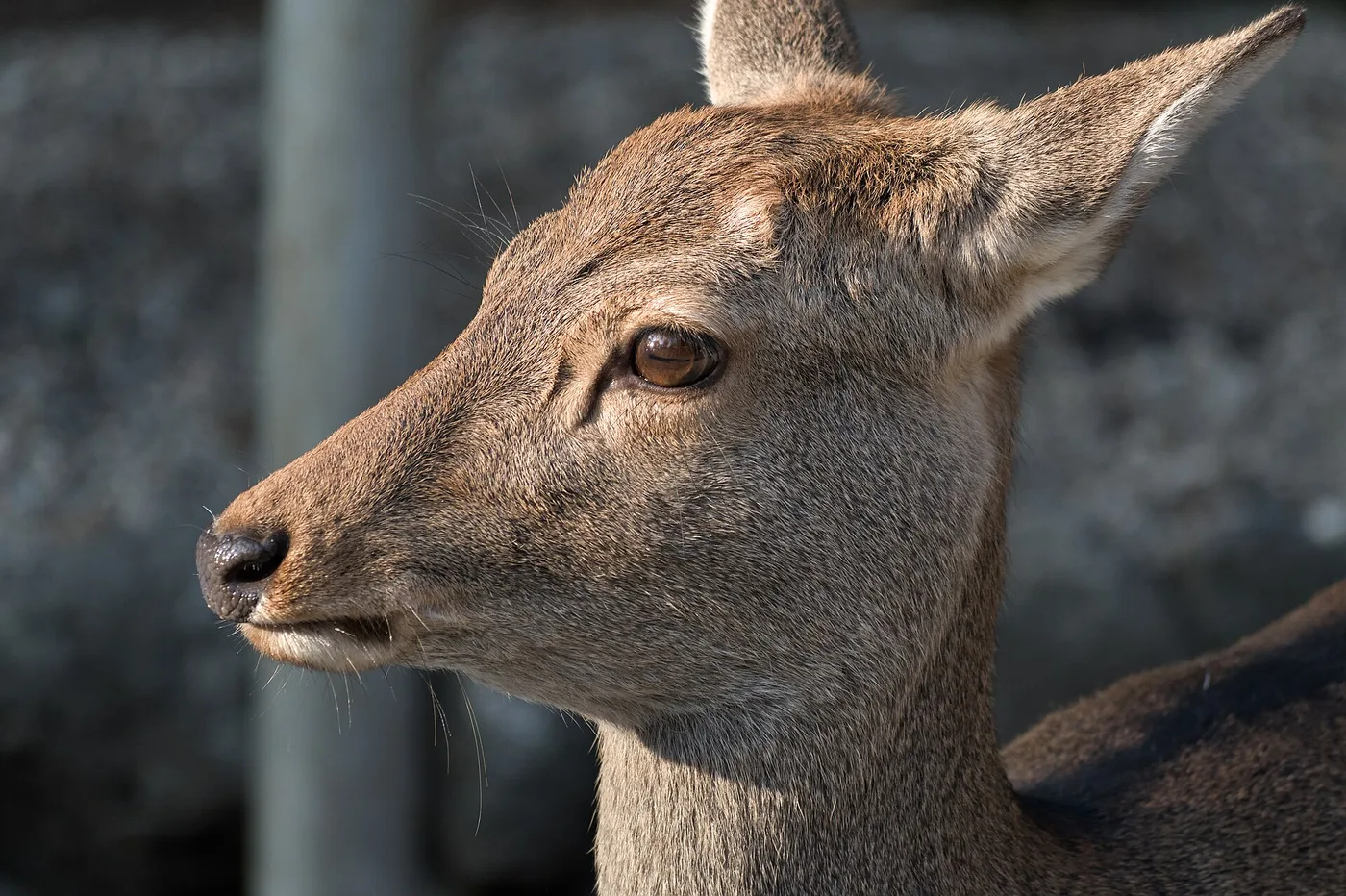
~40–45 min · about ¥680 (~US$5) on the Kintetsu from Namba, or ¥840 (~US$6) on the JR Yamatoji rapid. A compact, walkable day: the bowing (then mugging) deer of , and Tōdai-ji's Great Buddha — one of the largest bronze statues on Earth, and much bigger in person than any photo suggests. Half a day of sights, an easy full one if you dawdle.
Kobe — beef, harbour, a hillside quarter
~20 min on the JR special rapid · about ¥420 (~US$3) — so close it barely counts as a day trip. Sannomiya (Kobe's downtown and main-station hub) and the Kitano foreign-merchant quarter, a small, lively Chinatown (Nankinmachi), the harbour front, and — if you're splashing out once — a Kobe beef teppanyaki lunch (the sit-at-the-griddle kind, where the chef sears it in front of you). Three worth knowing: and are the splurge — counter-grilled, English online booking. is the budget favourite — a fraction of the price and wildly popular, though its booking is Japanese-only, so come early or off-peak.
Himeji — the finest castle in Japan
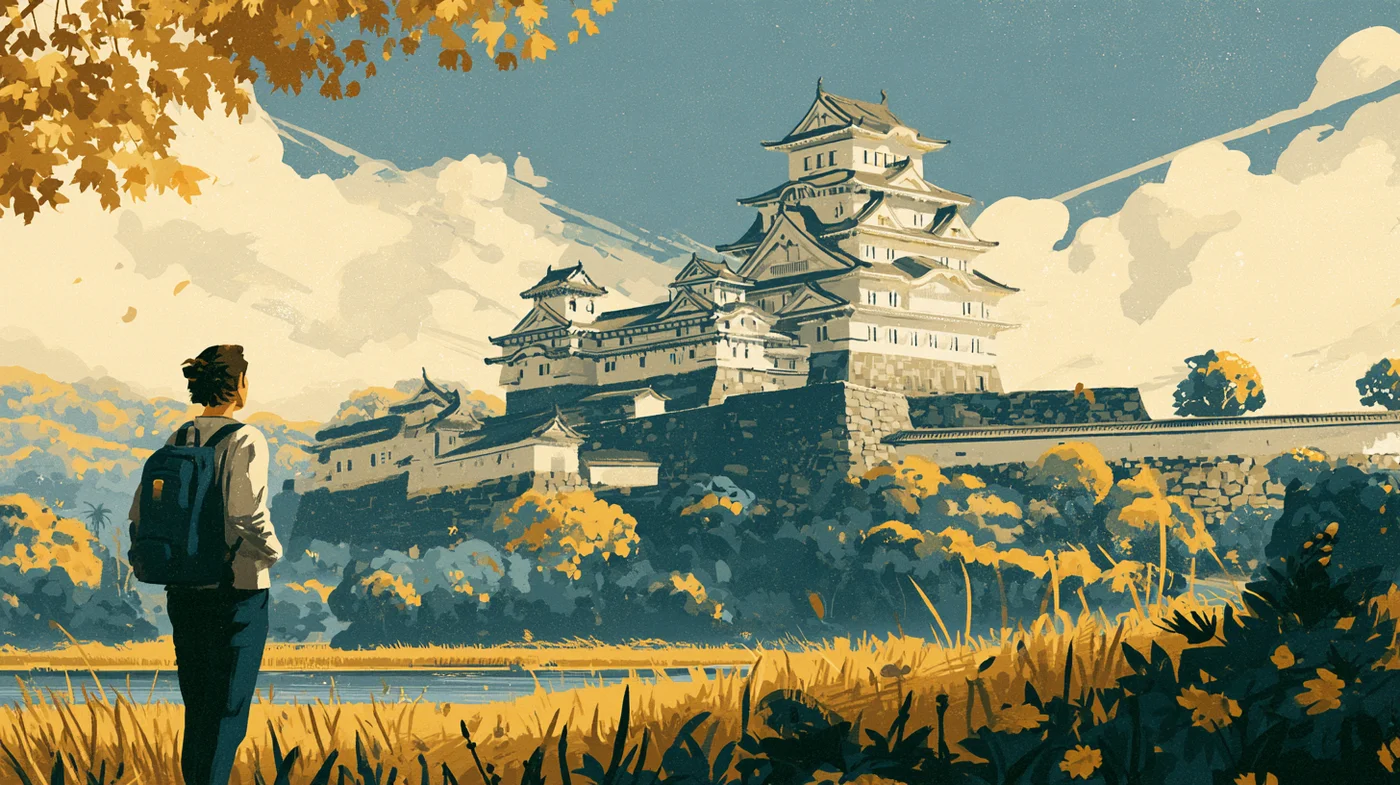
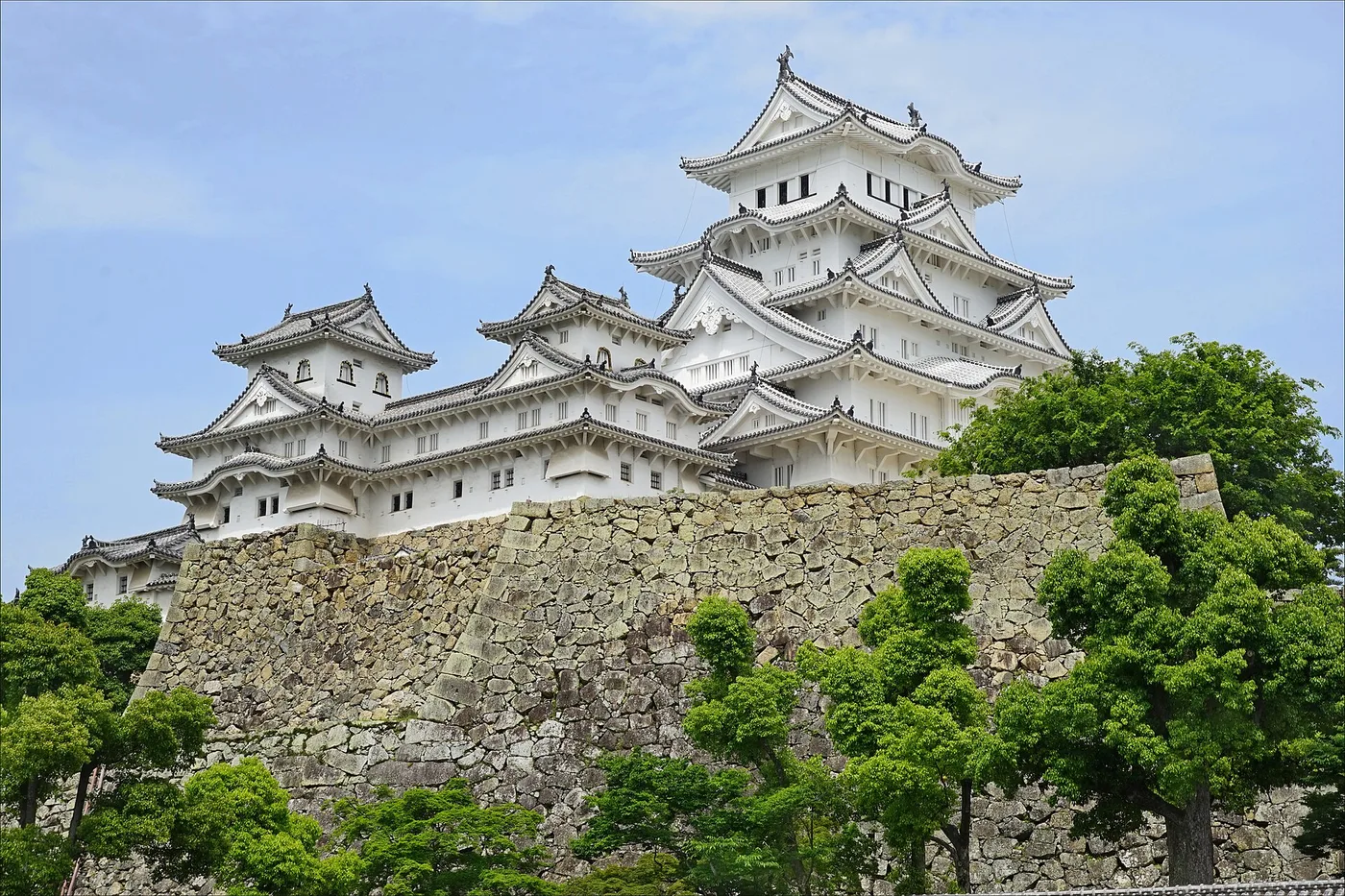
~30 min by shinkansen (about ¥3,280 / ~US$23), or ~1 hr on the JR special rapid for far less (about ¥1,520 / ~US$11). is the real thing: an original white hilltop castle that came through the wars and the centuries intact, not a concrete rebuild. It's essentially one enormous sight, so half a day covers it — entry is about ¥1,000 (~US$7), no advance booking needed, with a free audio-guide app. If you'd rather go guided, there's a that pairs Himeji Castle with Katsuoji Temple — it books on the Himeji chip. Pair it with Kobe on the way back if you're keen.
Kōyasan — the temple mountain (go slow)
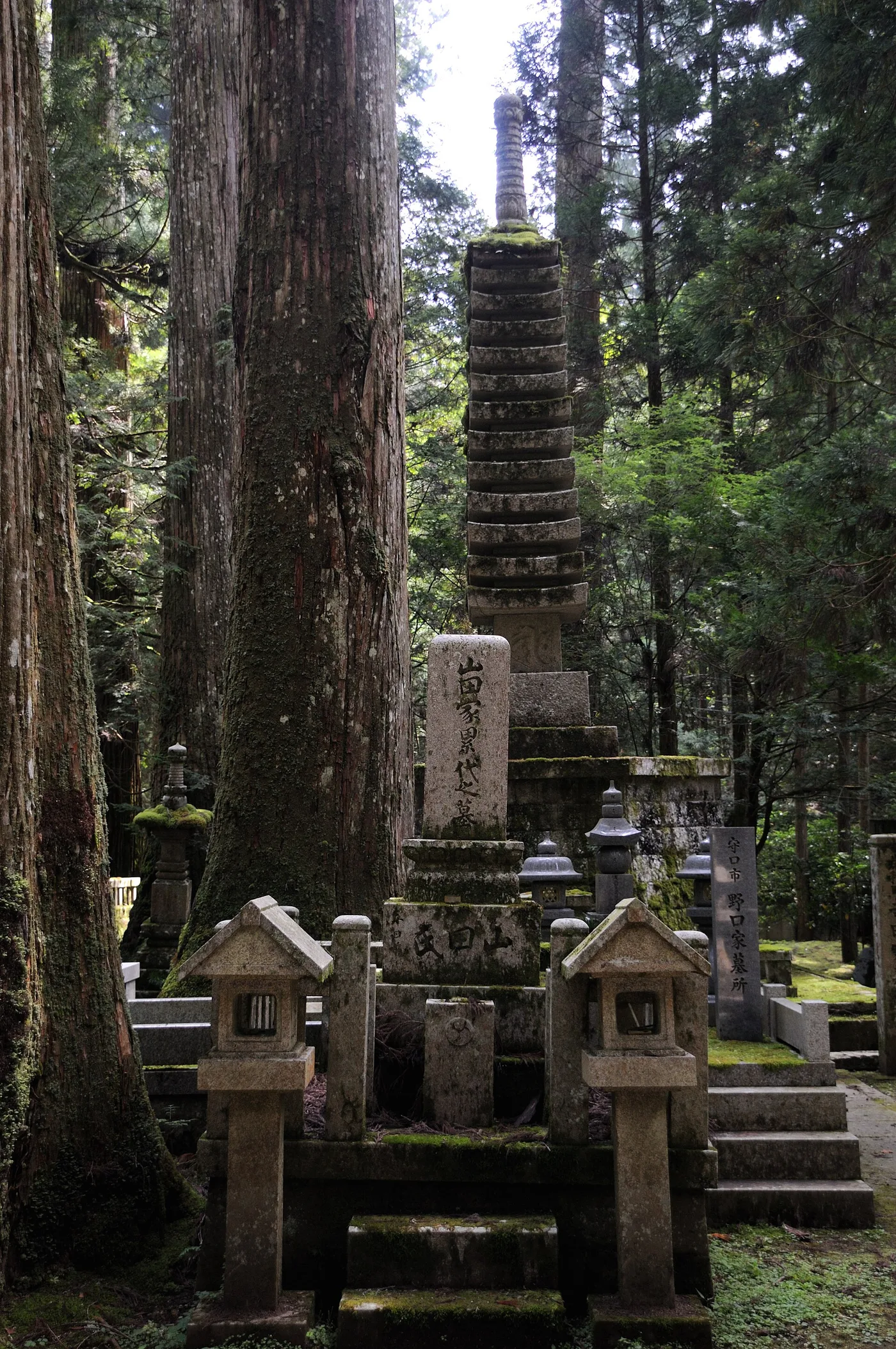
~1.5–2 hr by Nankai train from Namba and a little cable car up the mountain — about ¥1,680 (~US$12) each way, or the Kōyasan World Heritage Ticket (about ¥3,140 / ~US$22) bundles the round trip with the local buses. A working Buddhist monastery town: misty cedar graveyards, dawn prayers, and shōjin-ryōri — the monks' vegetarian temple cooking, which you eat either as part of a temple-lodging (shukubō) stay or as a set lunch some temples serve (roughly ¥2,000–5,000 / ~US$14–35). It's far enough that the real reward is staying overnight in one of those lodgings — and you won't find shukubō on the usual hotel-booking sites, so reserve a temple stay direct (the Koyasan Shukubo Association handles bookings) rather than looking on Agoda. Done as a day trip it's a lot of travel for a rushed few hours.
Hiroshima — the big, long one
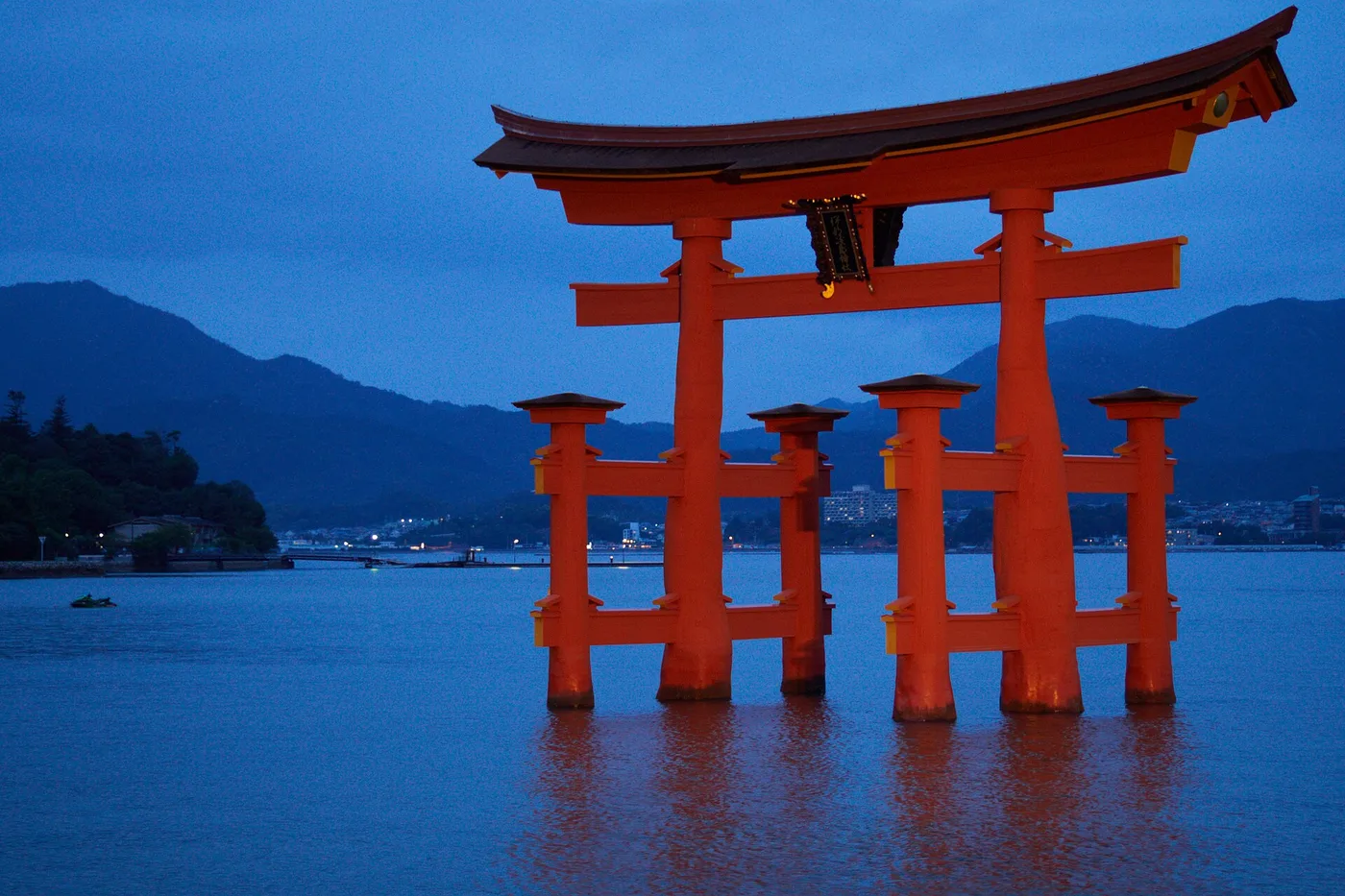
~1 hr 25 by shinkansen · about ¥10,000 (~US$70). It's the long one — and worth every minute of the ride. The are among the most powerful, sobering places you can visit in Japan, a visit that stays with you; and the great floating torii of , rising straight from the sea at high tide, is one of the country's three classic views. A full, moving day: leave early, come back late, and don't try to bolt anything else onto it.
Which, and how many
Osaka comfortably carries two or three of these across a stay. The near ones — , Nara, Himeji, Kyoto — drop into single days easily; * and Hiroshima each want the whole day* to be worth the trip. Squeeze one into a half-day and you've paid the journey without the reward.
Sorting a week of day trips by hand — which one on which day, the transfers, the timing — is hours of it. We do about 80% of that for you, in roughly a minute. Tell us your dates and we'll fit the day trips around your Osaka days, each its own well-shaped day, nothing crammed — and if Kyoto's in the mix too, we'll balance both cities. A solid first cut you can run with.
A full day-by-day plan in about a minute — free, no account.
✨ Plan my trip