

Tokyo, Kyoto, Osaka: how to split a Japan trip
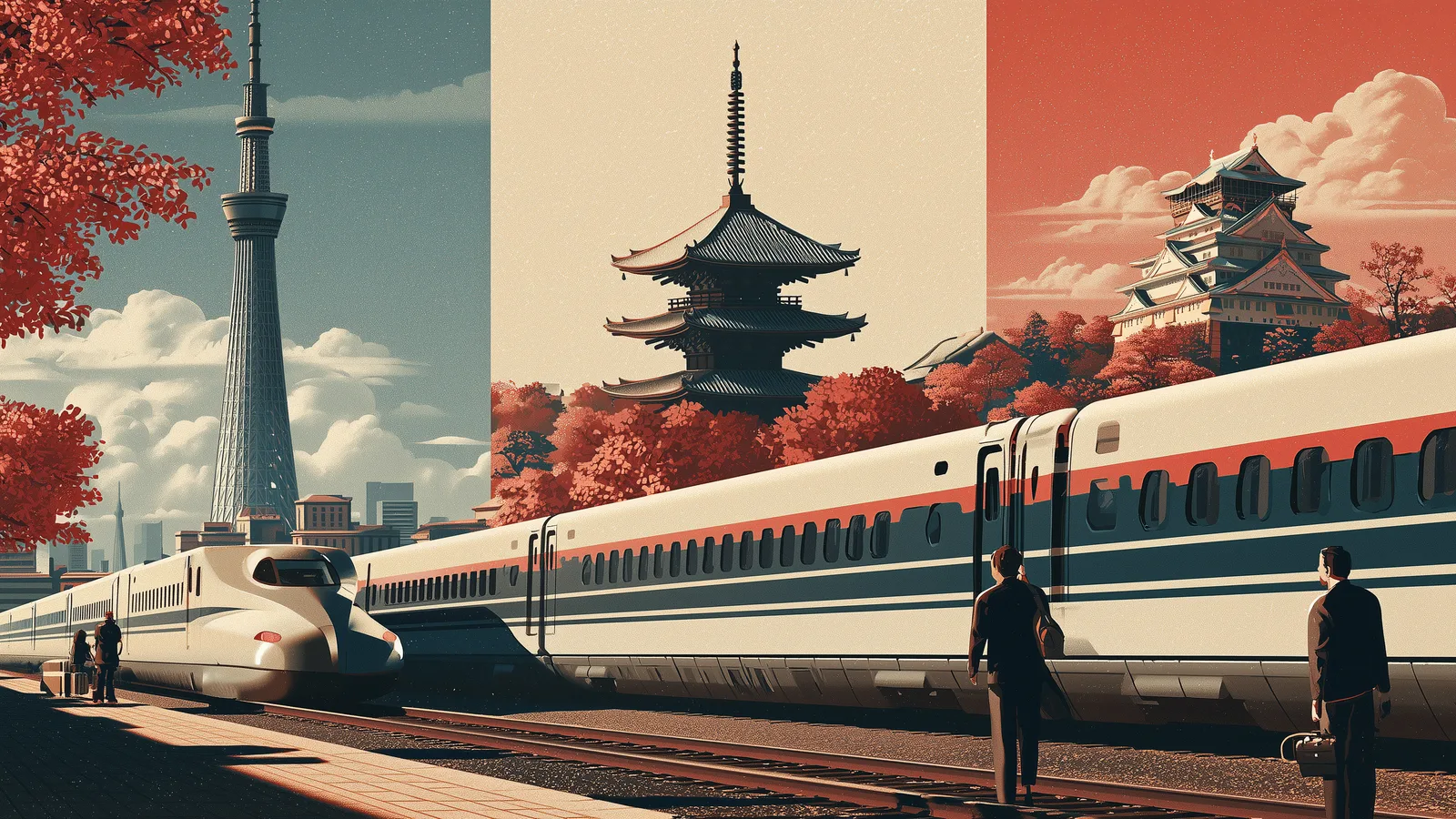
Pretty much every first Japan trip is some mix of Tokyo, Kyoto and Osaka. Tokyo to Kyoto is a bit over two hours by shinkansen, Tokyo to Osaka about two and a half, and every blog has a different opinion on the split. Here's ours, with the reasoning attached so you can disagree properly.
The splits that work
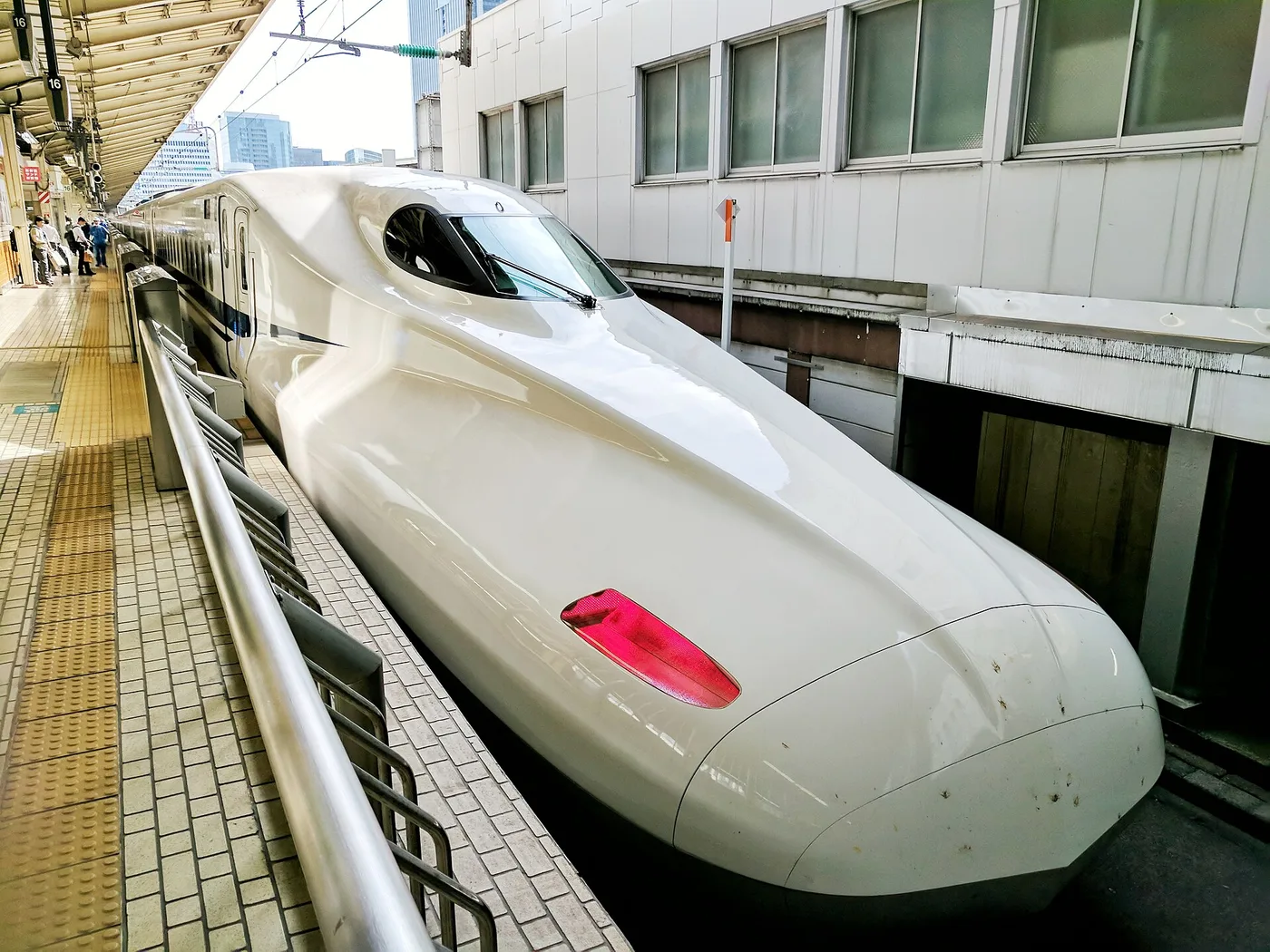
- 7 days: Tokyo 4, Kyoto 3. Don't stay in Osaka — you can taste it in an evening from Kyoto. The JR Special Rapid runs Kyoto to Osaka Station in 28 minutes, ¥580 (~US$4), no reservation needed. Or take the shinkansen: Kyoto to Shin-Osaka in 15 minutes, ¥1,450 (~US$10).
- 10 days: Tokyo 4, Kyoto 4, Osaka 2. Now Osaka earns its own bed — at midnight is a different city from Dotonbori on a day trip.
- 14 days: Tokyo 5, Kyoto 4, Osaka 3, plus a proper day trip from each: , , and or .
Why Kyoto gets more days than you'd expect
Kyoto shuts early. Most temples close around 5pm, 4:30 in winter, so a Kyoto "day" is really 9-to-5 where a Tokyo day runs past midnight. is the exception — it runs to 6pm. Three Kyoto days hold about as much as two Tokyo days.
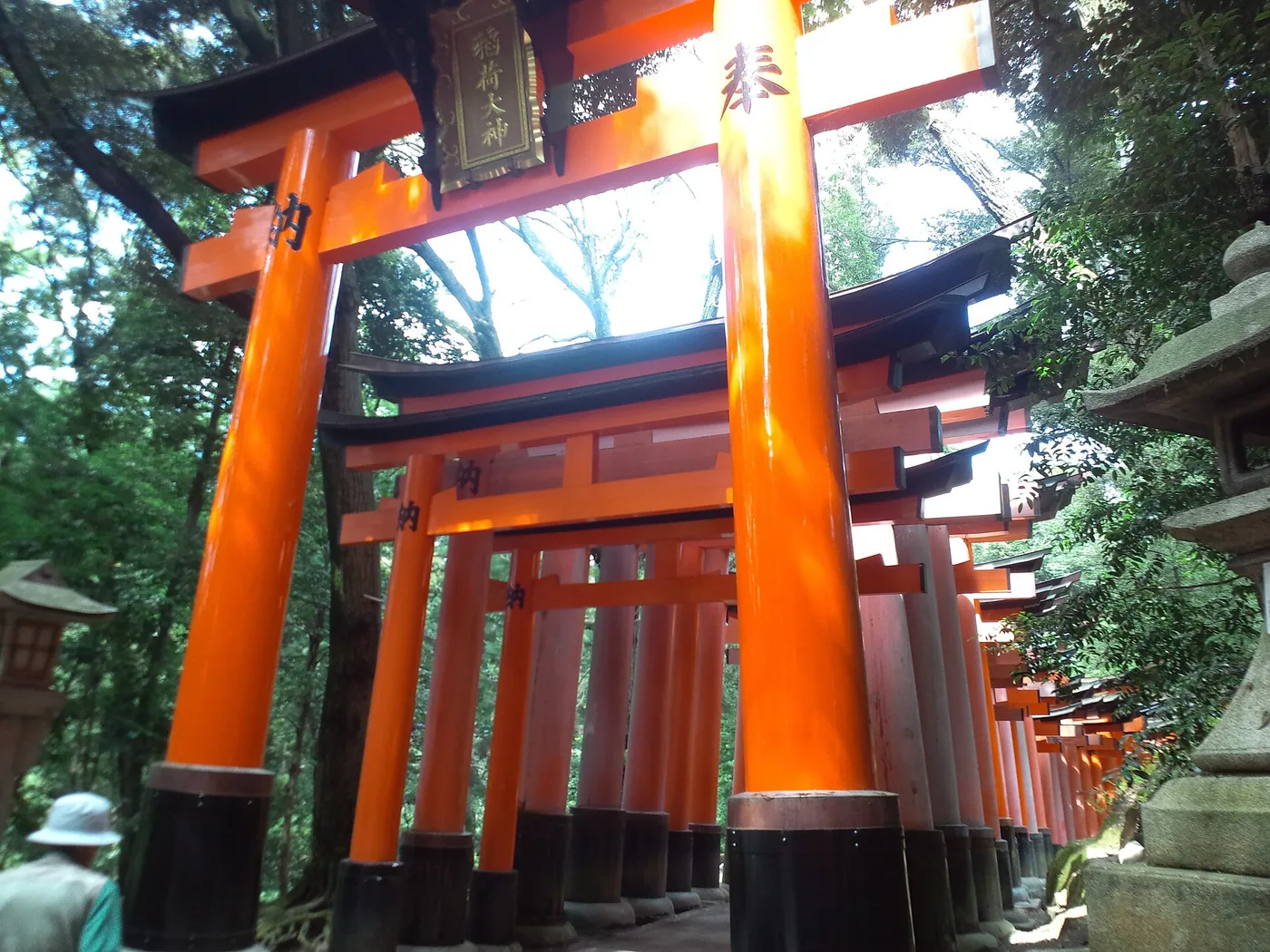
And the famous spots — , Kiyomizu-dera, the — are only really bearable before 9am, which costs you a morning each. This is exactly why generic itineraries overpack Kyoto afternoons: the listicle doesn't know the temple closes at 5. It's also the thing our planner's self-check catches most often.
The one-night mistake
The tempting version: Tokyo → one night in Hakone → Kyoto → one night in Osaka → fly home. Don't.
Every hotel change costs a real half-day — pack, check out, haul bags, check in, figure out where you are again. Two one-night stays burn a full day of a ten-day trip. The plan feels efficient and is slower.
Rule of thumb: no stop under two nights. If a place only deserves one, it's a day trip. (The planner does this on its own if you tell it you'd rather not keep changing hotels.)
Which way to fly
In through Tokyo, out through Osaka (Kansai) if the fares are close — it saves the 2.5-hour backtrack. If you have to round-trip through Tokyo, put Tokyo at both ends: jetlagged-arrival Tokyo is for wandering, last-night Tokyo is for the shopping you sensibly put off.
Or just have it built
We do about 80% of that research and hand it back in roughly a minute. Give the planner your total days and pick your cities — it weighs the split by each city's real depth, plans around the shinkansen leg, and keeps each day's stops in one zone. You see Japan instead of the inside of trains. A solid first cut you can run with.
A full day-by-day plan in about a minute — free, no account.
✨ Plan my trip