

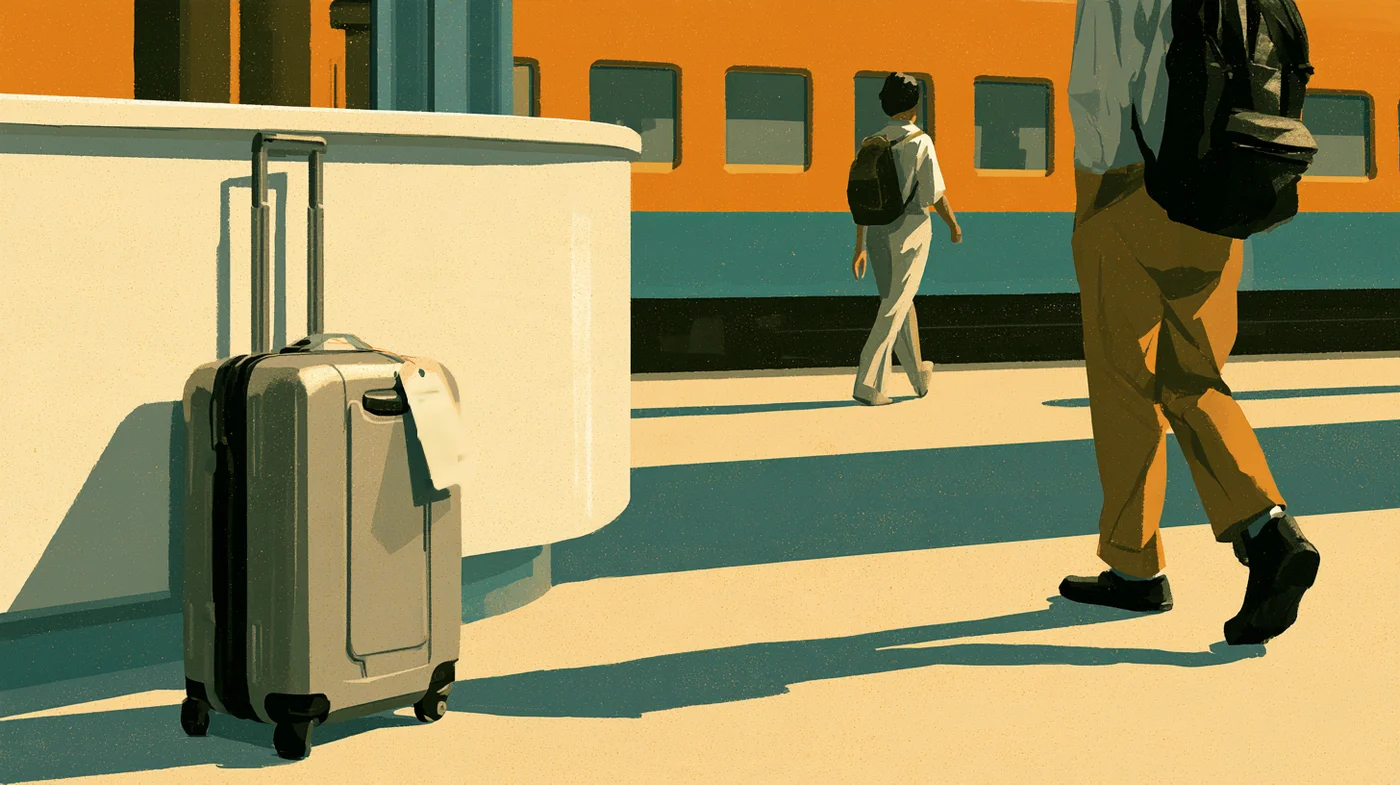
Luggage forwarding in Japan (takkyūbin), explained
Japan has a quiet superpower most first-timers miss: for about the price of a couple of lunches, you can send your suitcase ahead and travel between cities with just a daypack. It's called takkyūbin (宅急便), and once you've used it you'll wonder why you ever dragged a bag up a station staircase.
What it is
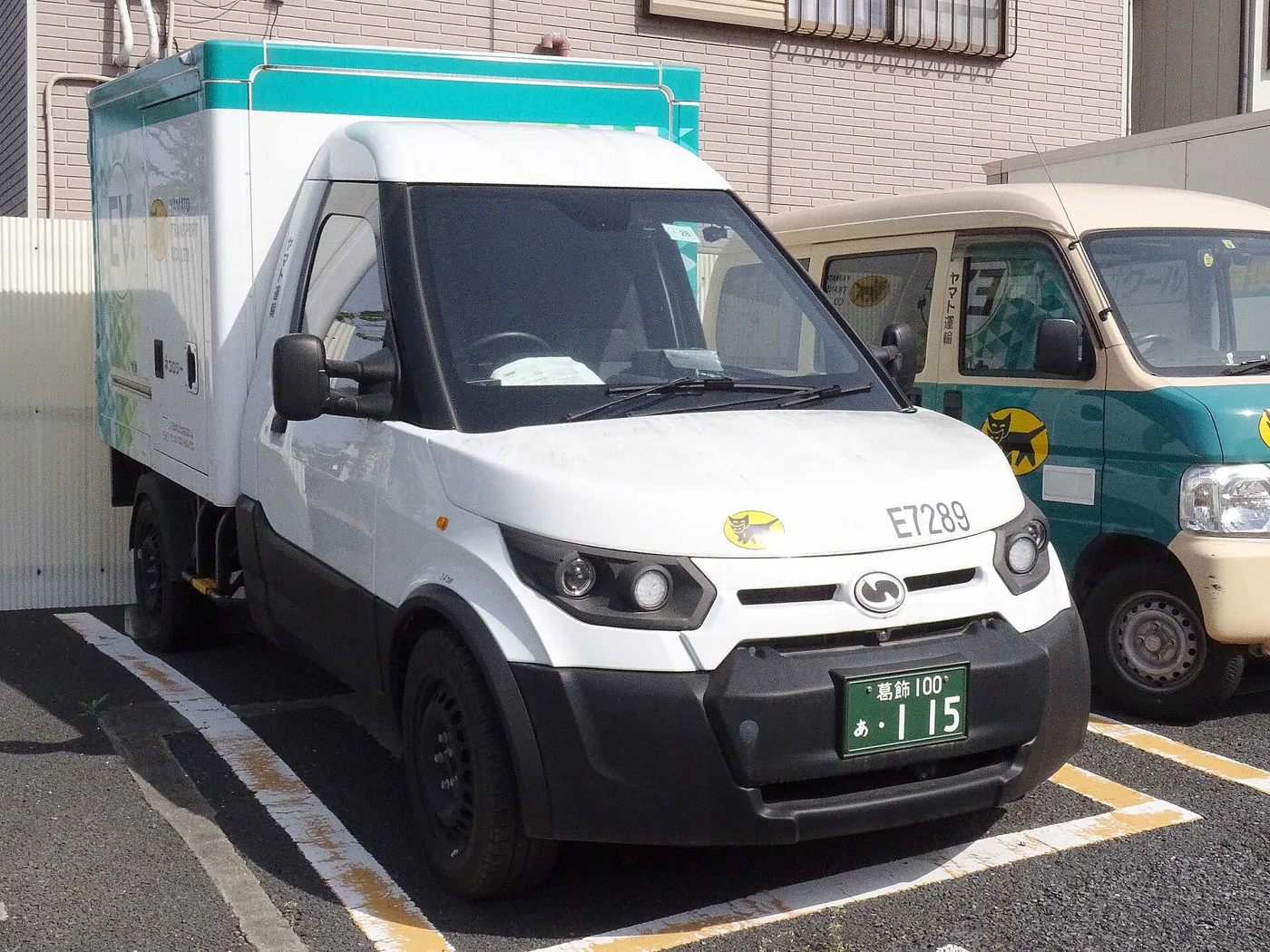
A next-day courier service for your luggage. Hand your bag over at a hotel front desk or a convenience store, and it turns up at your next hotel — usually the following afternoon. It's nationwide, cheap, and absurdly reliable. Japan runs on it.
When it saves your trip
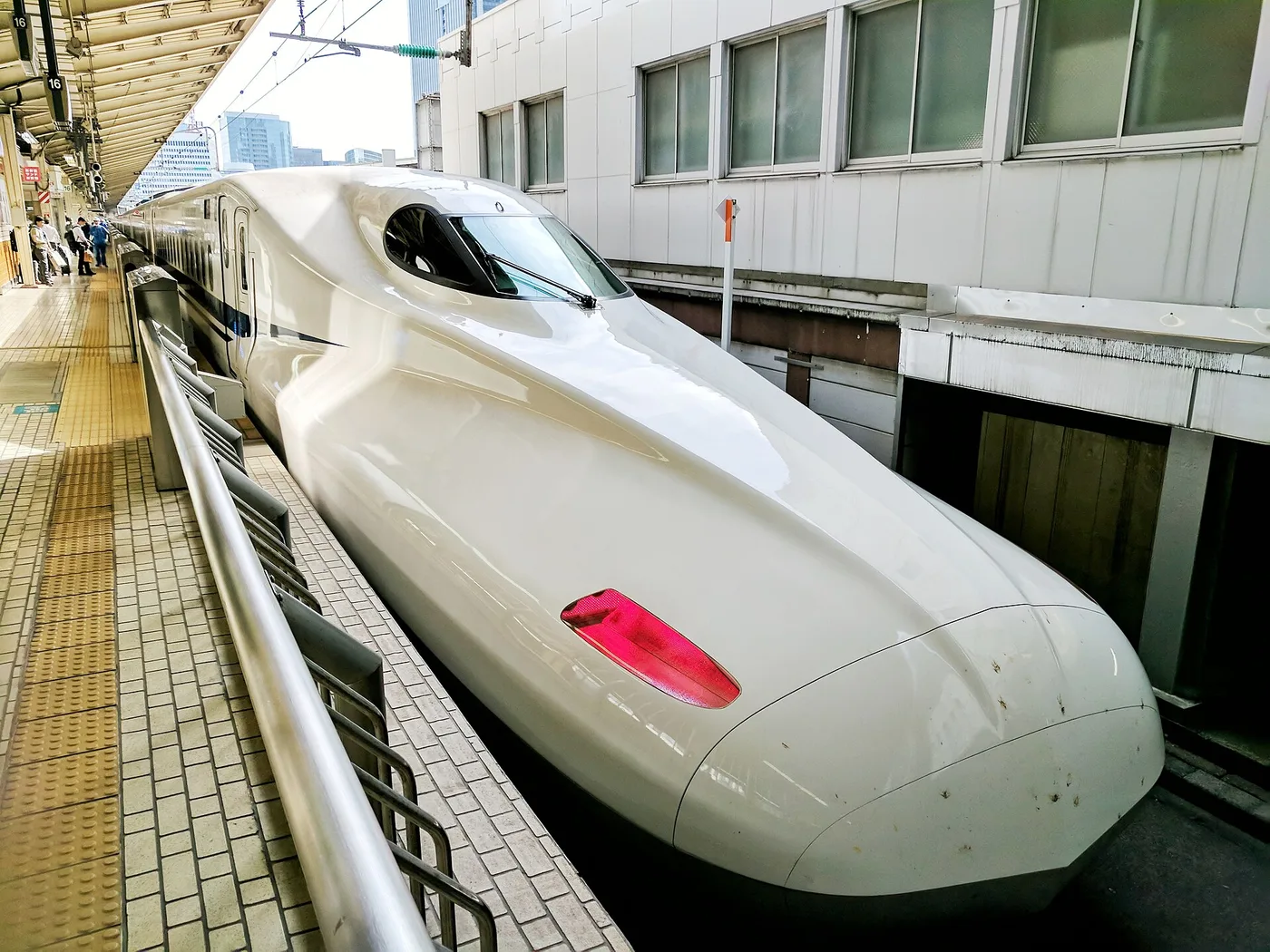
- The shinkansen with big bags. A large suitcase on the bullet train now needs a reserved oversized-baggage seat, and the racks are small. Send the big bag ahead and ride with a daypack.
- Changing cities. Moving from Tokyo to Kyoto? Send the suitcase hotel-to-hotel the morning you check out. You travel light, and it's waiting when you arrive.
- Kyoto's stairs and packed buses. Wrestling a roller through a rush-hour Kyoto bus is nobody's holiday. Let the bag skip that.
- The awkward last day. Send your bags to the airport a day or two ahead of a late flight and collect them at the airport delivery counter, so your final hours are unburdened.
- Shopping ahead. Buying big in one city? Forward the goodie-packed bag on to your next hotel — or the airport — and keep travelling light. Just hold back what you need for the day, or lean on the konbini.
How to do it, step by step
1. Ask your hotel front desk for takkyūbin — most do it, and the big chains all do. A convenience store counter works too.
2. Fill in a slip with the next hotel's address. Staff help, and your next hotel will expect the bag.
3. Pay (cash always works, card often). Keep the tracking slip.
4. Hand it over by late morning for next-day arrival.
At an airport it's a staffed delivery counter in the arrivals or departures hall (Yamato, or JAL ABC) — not a machine, and no app needed; pay there by cash or card. Sending to an airport wants a day or two's lead, so don't leave it to the morning of your flight.
What it costs
About US$20 for a medium suitcase between cities (US$15–25 by size and distance) — a couple of convenience-store lunches, for a day of freedom. Airport-to-hotel is similar. You are paying to not lose an hour, and your temper, at a staircase.
The one rule: next-day, not same-day
The single mistake is expecting your bag the same afternoon. It comes the NEXT day — next-day reaches most of the country (Honshū, Shikoku, Kyūshū), but the long hauls to or from Hokkaidō, Okinawa and remote spots take an extra day. So always keep an overnight kit in the bag you carry: a change of clothes, chargers, toothbrush. Plan the hand-off for the morning you leave, not the evening you arrive.
Where it fits your trip
Forwarding turns a two-hotel trip from a bag-hauling chore into a light one — which changes how many city-hops are worth doing. Weighing base-versus-day-trip across a multi-city Japan route is exactly the calculation our planner does for you — about 80% of the legwork, in roughly a minute. Tell it your cities and it keeps the hops few and the bags light. A solid first cut you can run with.
A full day-by-day plan in about a minute — free, no account.
✨ Plan my trip