

Hong Kong dim sum: where to actually go
Short answer: Hong Kong is the best dim sum city on Earth, and the range is enormous — from a two-Michelin-star hotel dining room to a Sham Shui Po shop with a queue out the door. Here's how to pick, and what to actually order once you sit.
First, what "dim sum" means here
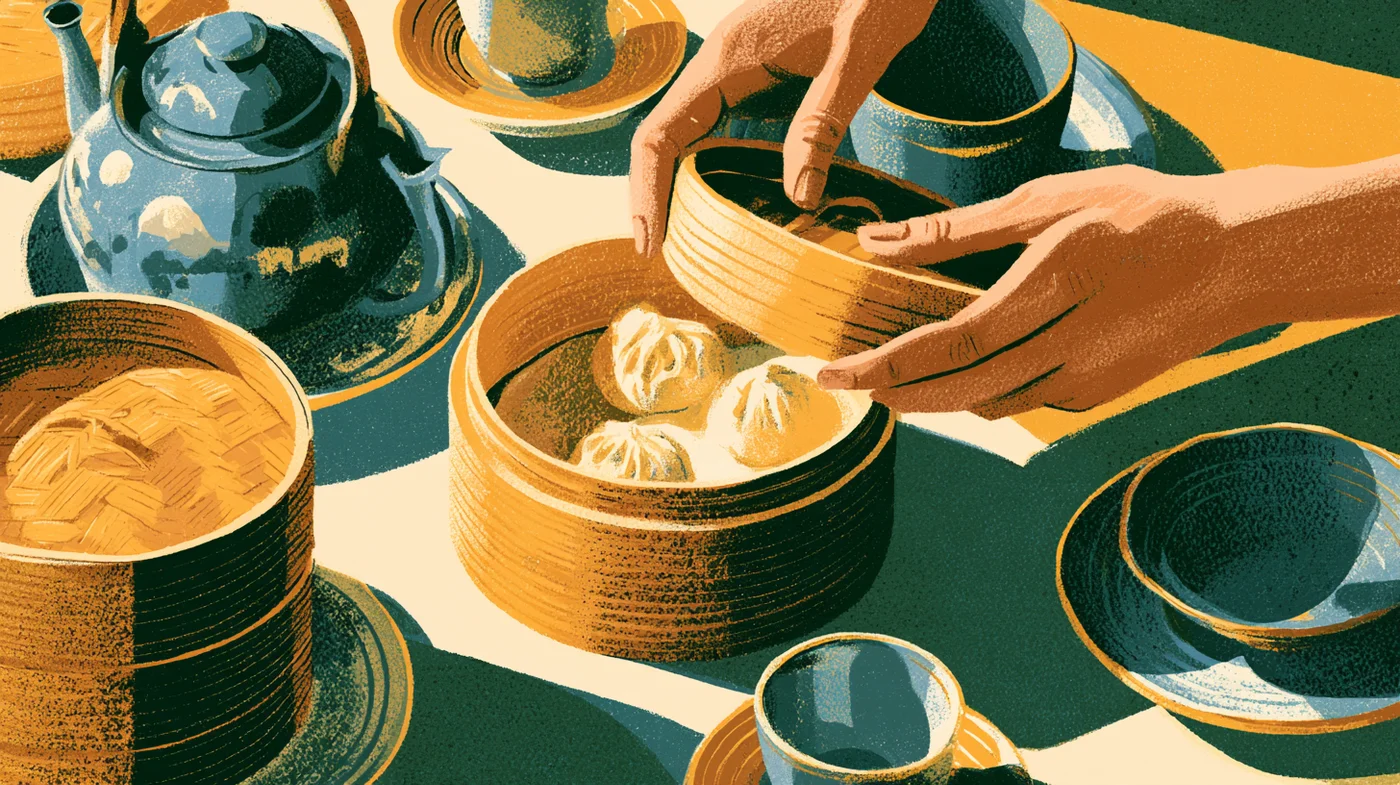
Yum cha — "drink tea" — is a morning-to-early-afternoon thing. It's a pot of tea and a table of small shared plates, ordered off a menu now (the rolling carts are mostly nostalgia). Most dim sum stops wind down by mid-afternoon, so it's breakfast or lunch, never dinner. Go hungry, go with people, and order more than feels sensible.
The splurge: dim sum with a star
When you want it done to the hilt, Hong Kong's hotel dining rooms are the top of the world:
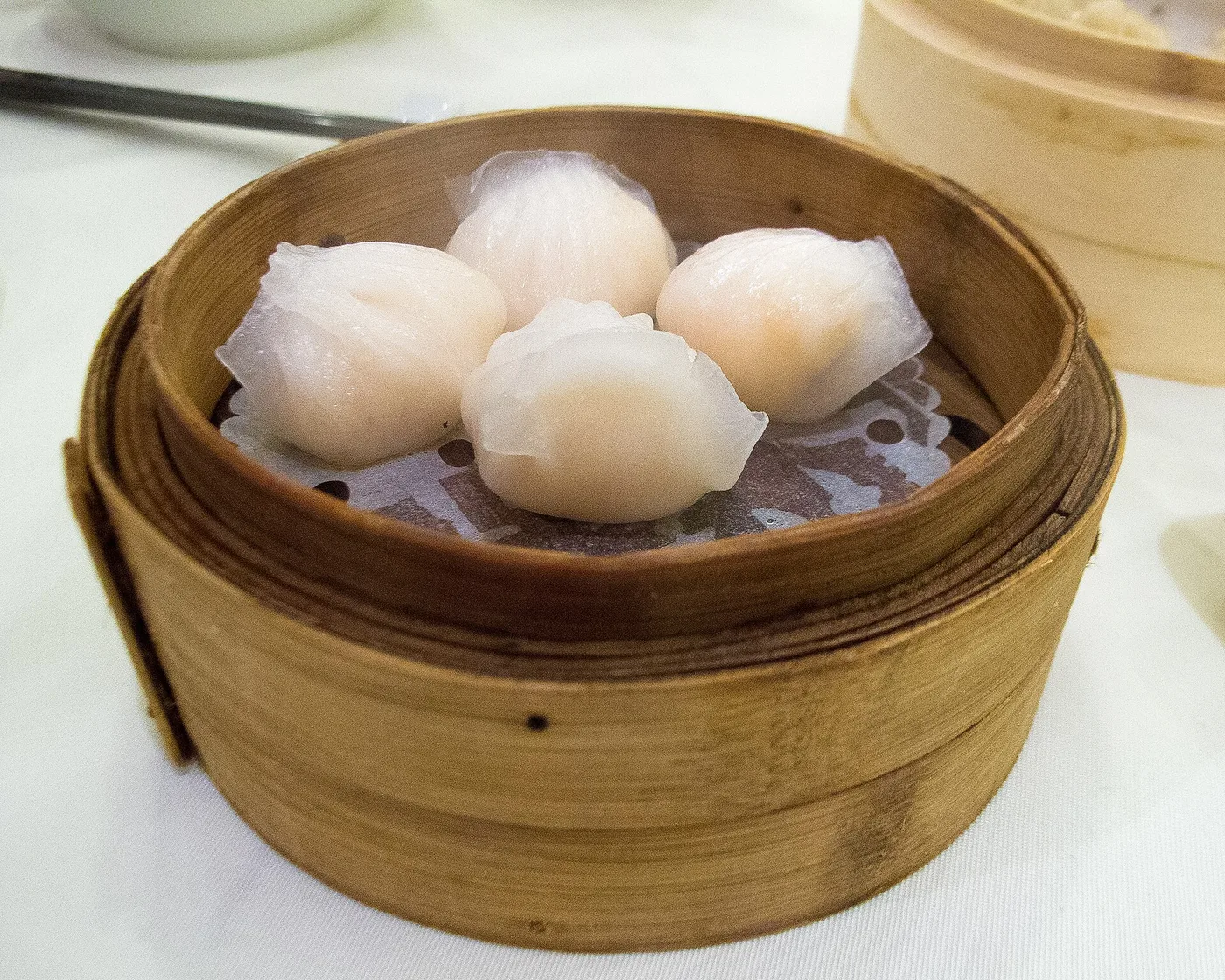
- (Four Seasons, Central) — two stars, and the room that first proved Chinese food could hold three. The har gow here is a different object.
- (Ritz-Carlton, Tsim Sha Tsui) — two stars on the 102nd floor, dumplings over the harbour.
- (Four Seasons — the world's first three-Michelin-star Chinese kitchen) and (Central, art on the walls) — the special-occasion classics.
- (Causeway Bay) — one star, the old-money "rich man's canteen."
Book these ahead, dress up a little, and expect to pay for it. Worth it once.
The famous cheap one
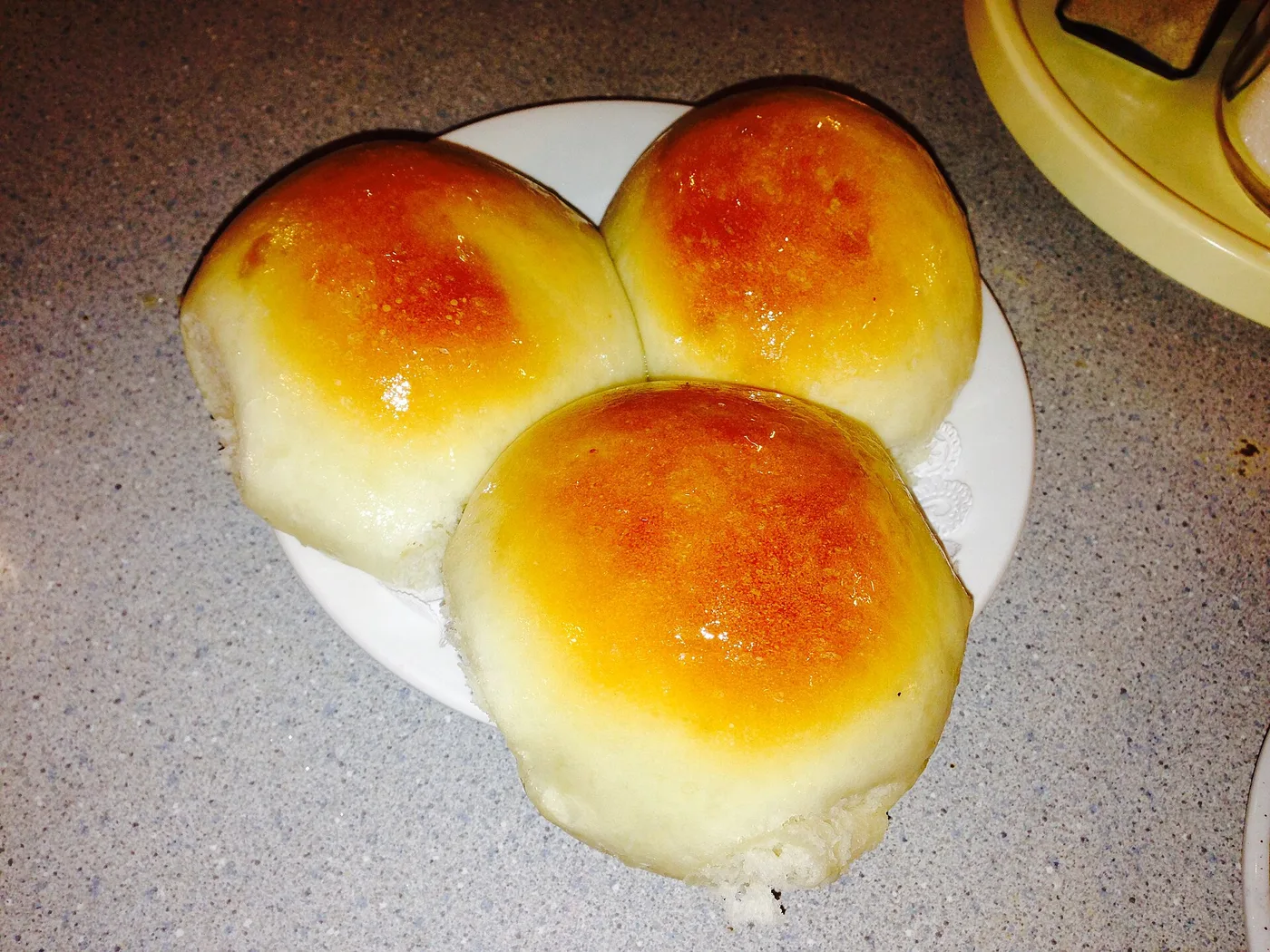
(Sham Shui Po) made its name as an affordable Bib Gourmand shop, and the baked barbecue-pork buns are the reason — order them the second you sit down. Fast, cheap, and there's usually a queue; join it.
The old tea houses (go for the room)
Some places you go for the room as much as the food:
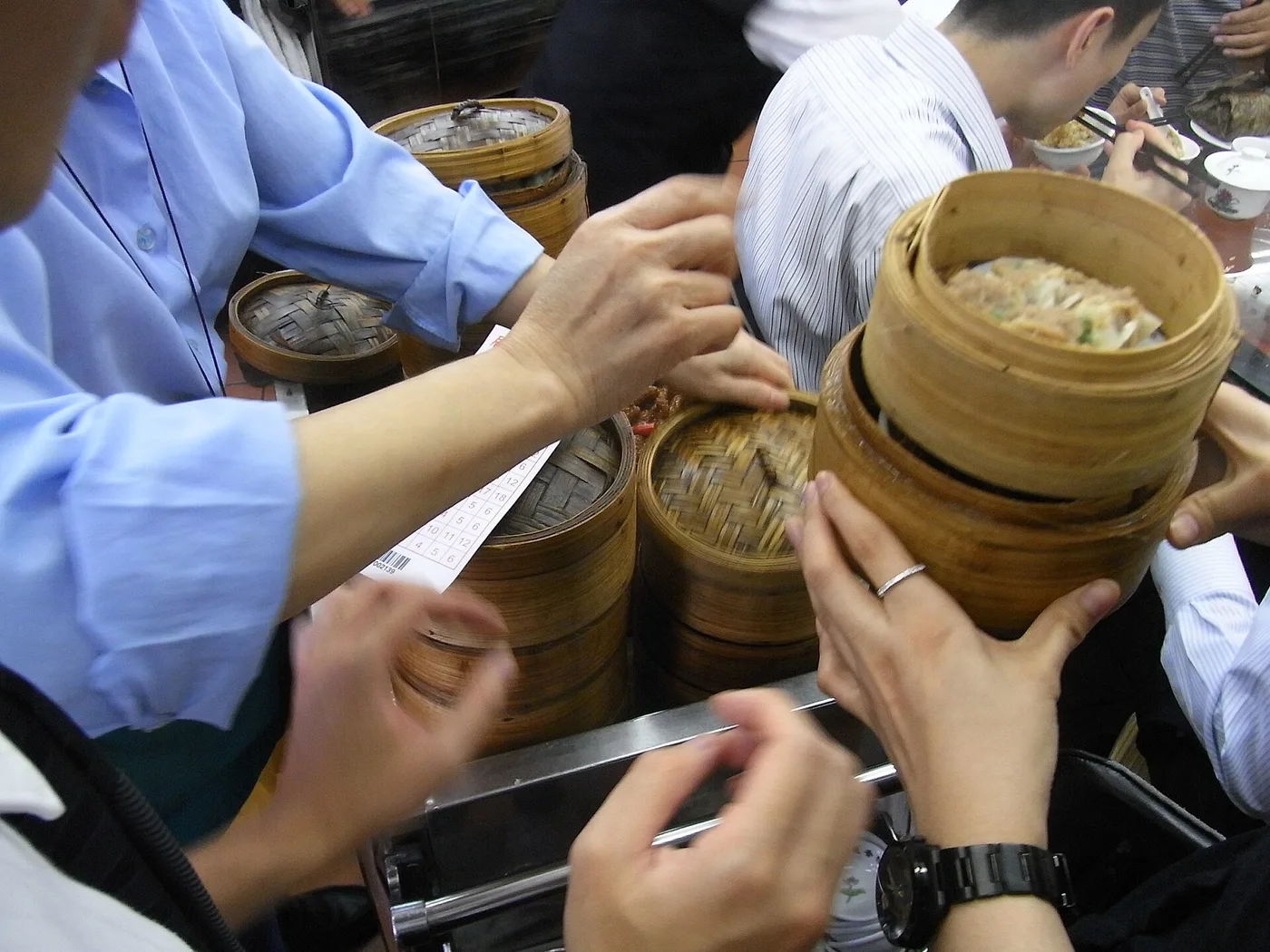
- (Sheung Wan) — the cart dim sum in the photo above: trolleys of steamers pushed around until mid-afternoon, cash only, gloriously old-school. It was Lin Heung Kui until a 2024 rename.
- (Central) — a 1930s time capsule, dark wood and ceiling fans, old Hong Kong intact.
- (Sha Tin) — hillside and nostalgic, the cart era preserved.
- (Kennedy Town) — a no-frills local spot that opens before dawn for the early crowd.
Casual and modern
and (Mong Kok) are the cheap, no-frills, join-the-queue everyday option. does a modern, playful take. And for soup dumplings, is reliable — though that's Taiwanese, not Cantonese dim sum, so keep the two straight.
What to order (the canon)
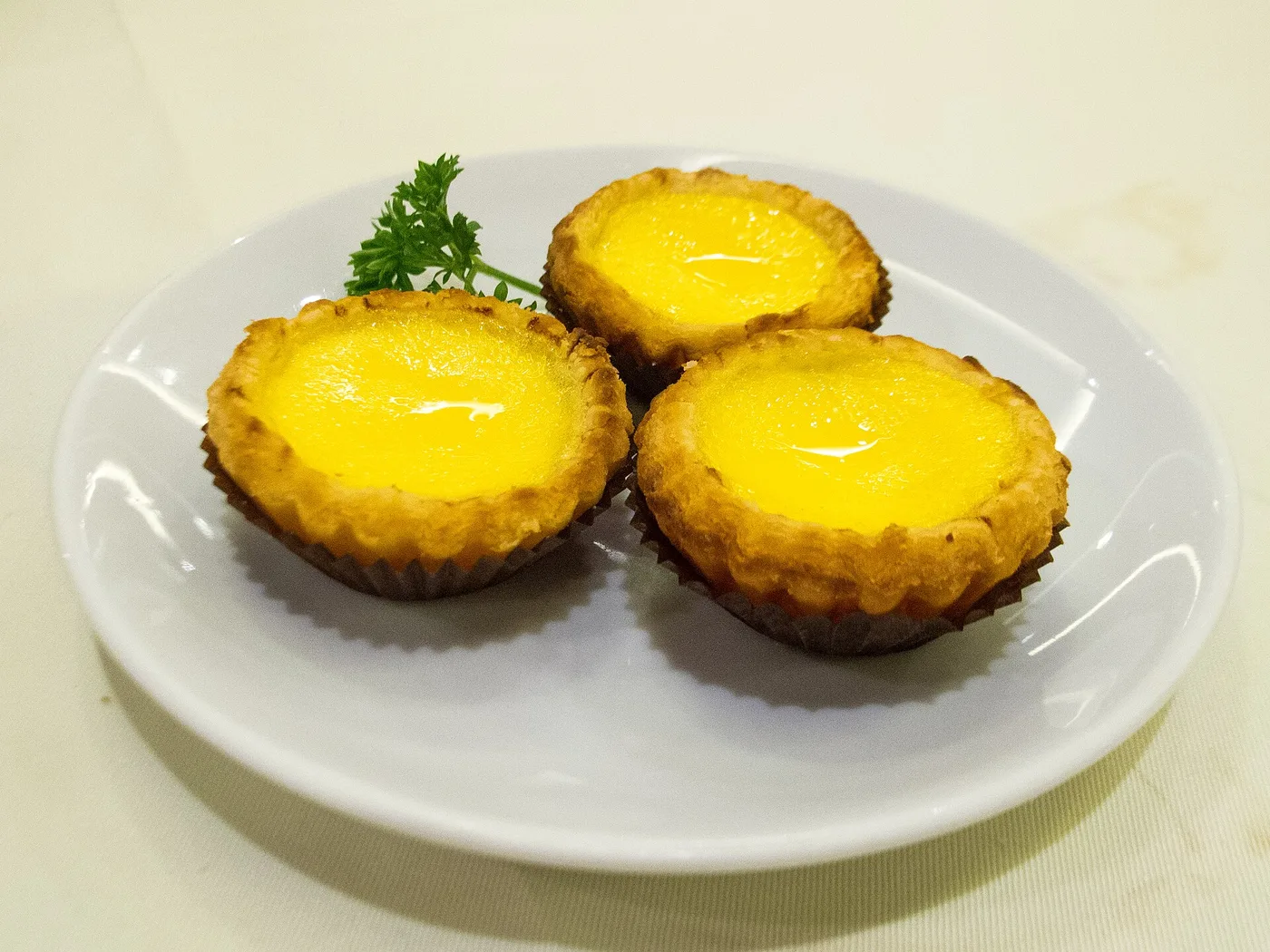
Cover these and you've had a proper table: har gow (crystal shrimp dumplings), siu mai (pork and shrimp), char siu bao (barbecue-pork buns, steamed or baked), cheung fun (silky rice-noodle rolls), lo mai gai (sticky rice in a lotus leaf), turnip cake, and egg tarts to finish. When someone pours your tea, tap two fingers on the table — it means thank you.
Don't just eat at the one nearest your hotel
The gap between a great dim sum table and a forgettable one is huge here, and "closest" is rarely "best." Sorting the morning around the right table is fiddly — we do about 80% of that for you, in roughly a minute. Tell us your dates and we'll put dim sum where it fits your day, near where you're already headed. A solid first cut you can run with. Getting there is easy.
A full day-by-day plan in about a minute — free, no account.
✨ Plan my trip