

Getting around Hong Kong: Octopus, the MTR, and the Star Ferry
Short answer: Hong Kong has the easiest transport of any big Asian city. Get one card — the Octopus — and it pays for the MTR, the buses, the trams, the Star Ferry, and the corner shop. On an iPhone you don't even need the plastic one. Then you barely think about it again.
Step one: get an Octopus
The Octopus is the tap-for-everything card, and it's been around so long the locals use it for lunch.
- The plastic card costs HK$150 (~US$19) — a HK$50 (~US$6) deposit you get back plus HK$100 (~US$13) to spend. Return it at any MTR Customer Service Centre, including the ones at the airport, and you get your deposit and leftover balance back.
- On an iPhone (8 or newer): add a mobile Octopus before you fly, through the free "Octopus for Tourists" app — it drops a card straight into Apple Wallet. Nothing to buy on arrival, nothing to return.
Either way, you then tap it on every kind of transport in the city. That's the whole system.
From the airport
The Airport Express is the fast, easy way in: HK$115 (~US$15) and about 24 minutes to Hong Kong Station, right in Central, with stops at Kowloon and Tsing Yi. There are cheaper, slower ways (city buses, the ordinary MTR) but on a first arrival, jet-lagged with bags, the Express earns its price. Tap the Octopus and go.
The MTR is your spine
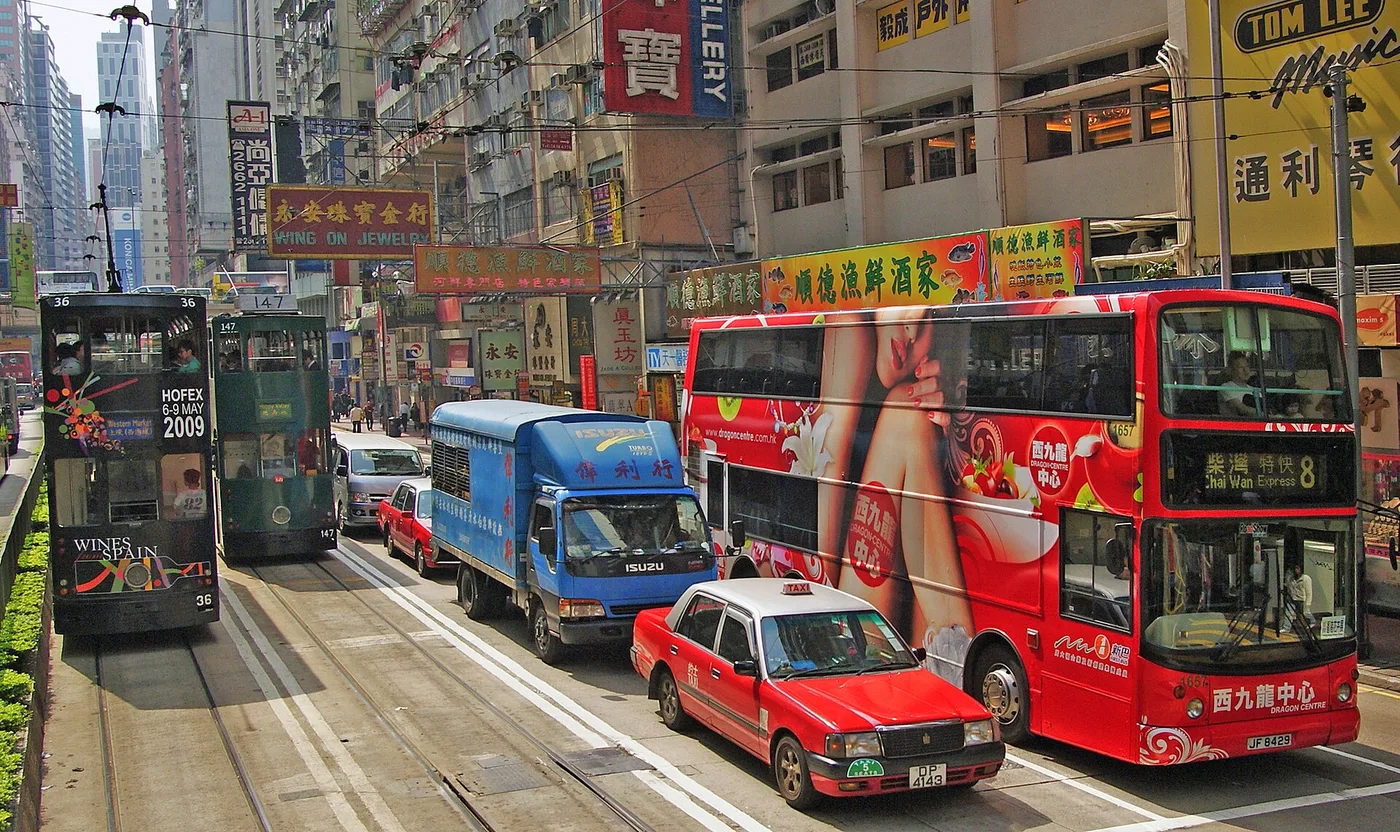
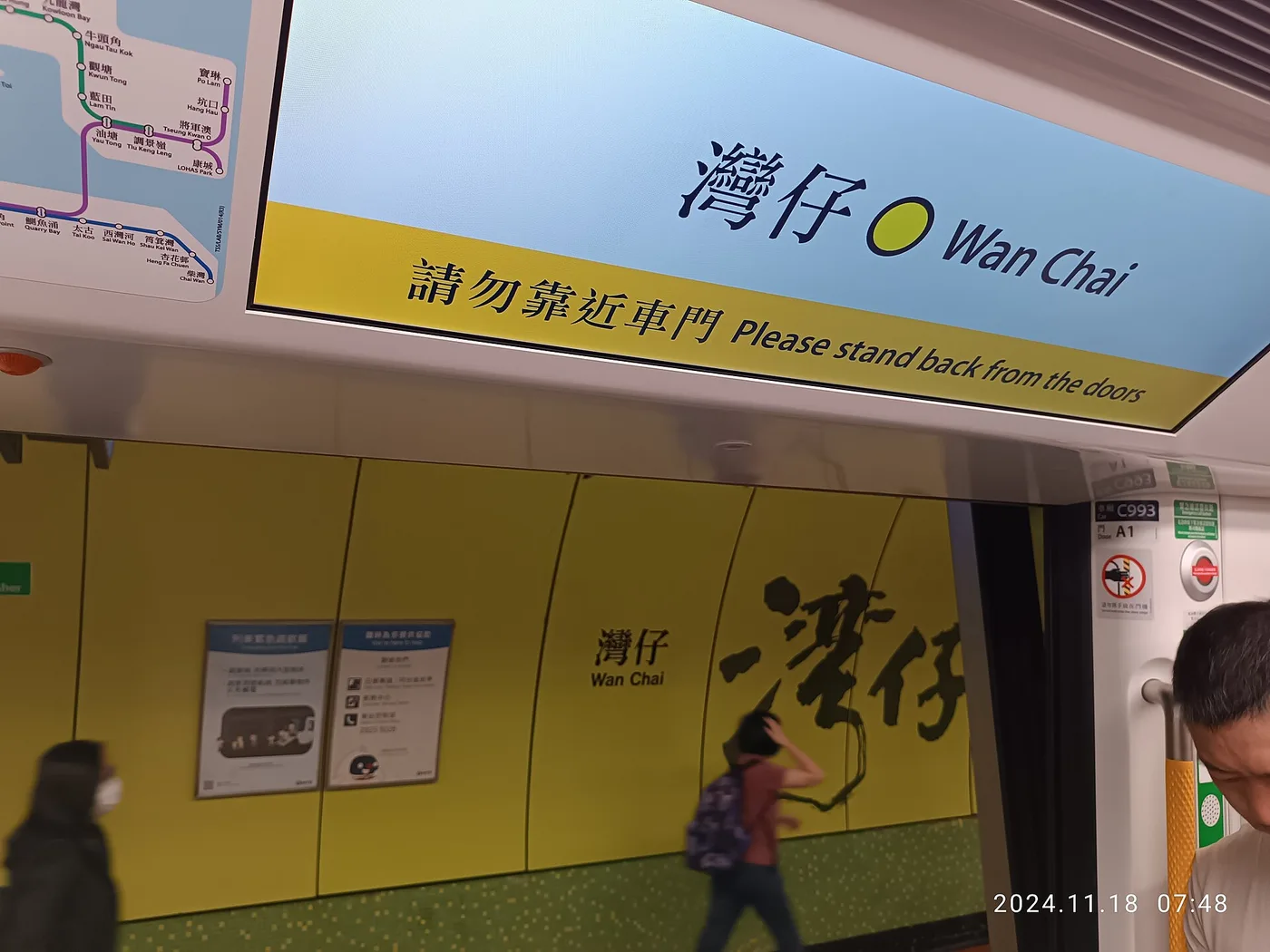
The MTR is the metro — clean, fast, frequent, signed in English, and it reaches almost everywhere you'll want to go. Tap in, tap out, the fare sorts itself. Like Tokyo, note the lettered exit your map gives you — but Hong Kong's stations are smaller and far easier to read than Tokyo's giants.
Two rides worth taking for themselves
Some Hong Kong transport is the sightseeing:
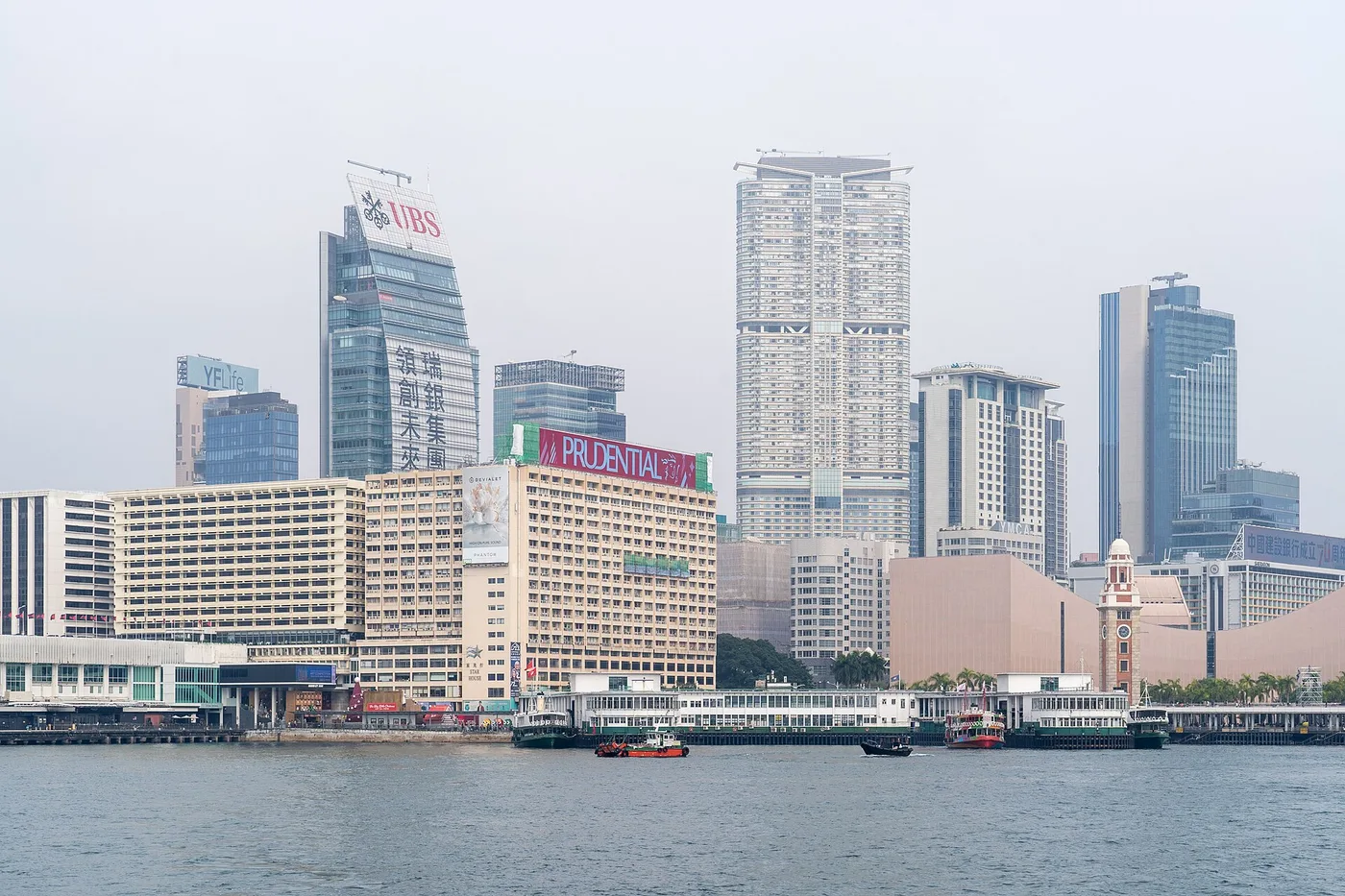
- across Victoria Harbour (Central ↔ Tsim Sha Tsui) costs a few Hong Kong dollars and buys you the best skyline view in the city from the water. Take it at least once, ideally near dusk.
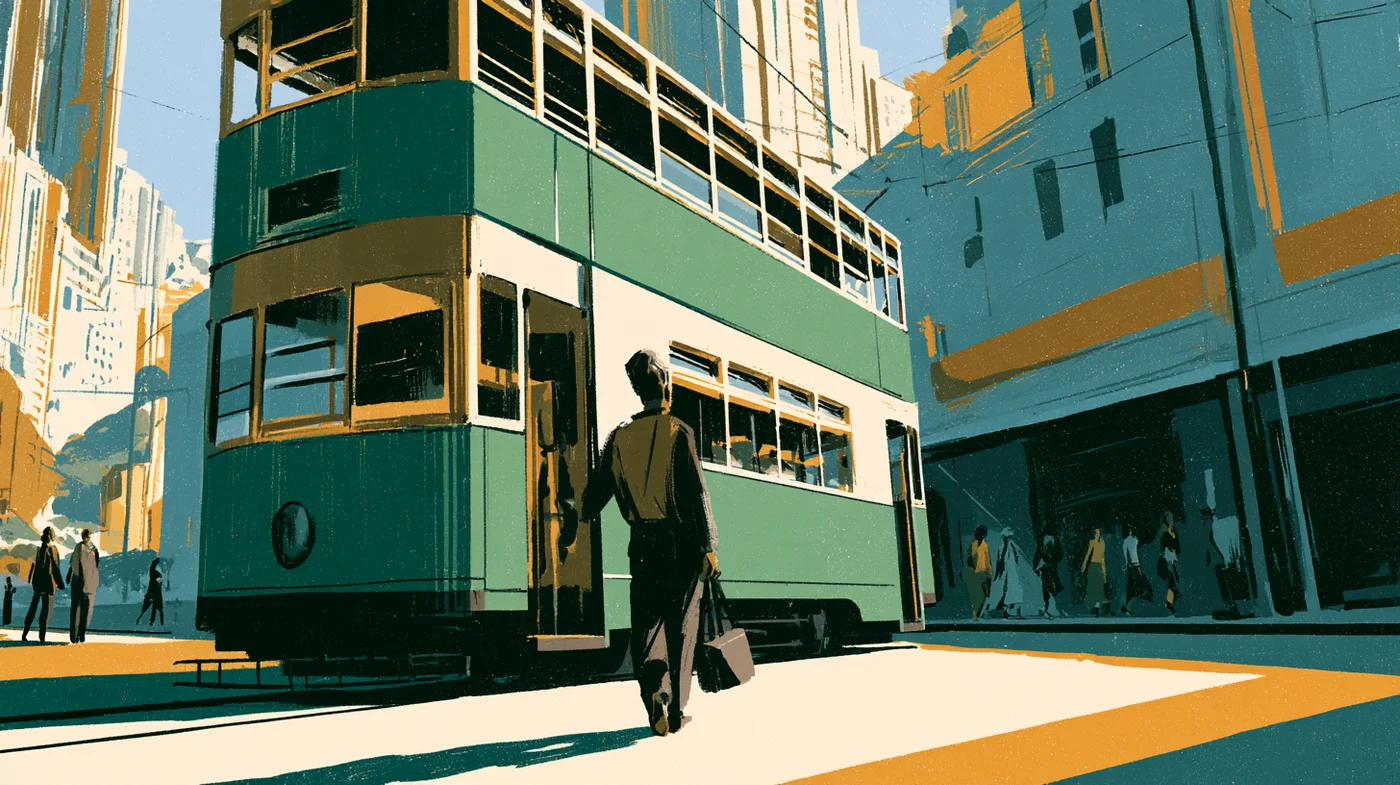
- — the "ding ding" — run along the north of Hong Kong Island for a flat HK$3.30 (~US$0.40) however far you ride, paid on exit. Climb to the front of the top deck and it's a slow, open-window tour of the city for the price of nothing.
A few local notes
- Stand on the right on escalators; Hong Kong queues, and jumping one gets a look.
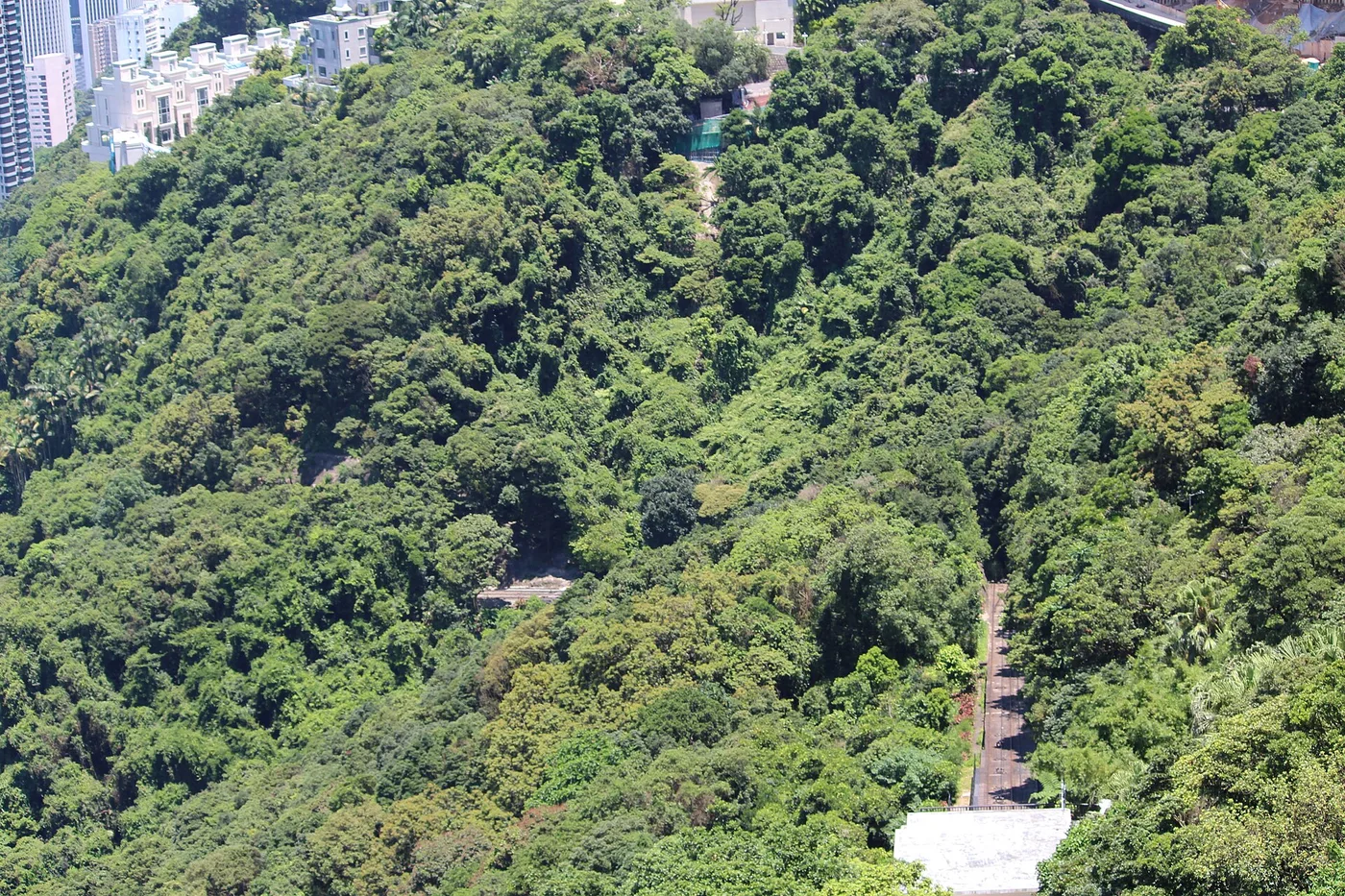
- The up to Victoria Peak is a separate paid attraction, not part of the network — Octopus works, but book a time slot ahead, because the queue is genuinely long.
- Taxis are cheap-ish and plentiful; red ones cover the main urban areas.
Don't overthink it
There's no zone puzzle to solve and no reason to buy single tickets. One Octopus, tapped on everything, and you're done — sort it in five minutes and forget it. Then spend your thinking on the days, not the trains: working those out by hand is an evening of it, and we do about 80% of that legwork for you, in roughly a minute. Tell us your dates and we'll build your Hong Kong plan on the real routes, each day kept to one district so you're not doubling back. A solid first cut you can run with.
A full day-by-day plan in about a minute — free, no account.
✨ Plan my trip