

Kuala Lumpur food: what to eat, and where
Short answer: eat everything, and eat across all three. Kuala Lumpur is one of Asia's great food cities for one reason — it's Malay, Chinese and Indian cooking side by side, plus the mamak (Indian-Muslim) stalls that never close. A single day can run a Chinese kopitiam breakfast, a banana-leaf lunch in Little India, and a Malay night-market dinner. Most of it is hawker food: a few ringgit, no reservation, better than the restaurants. Come hungry and don't sort yourself into one cuisine.
Start here: nasi lemak
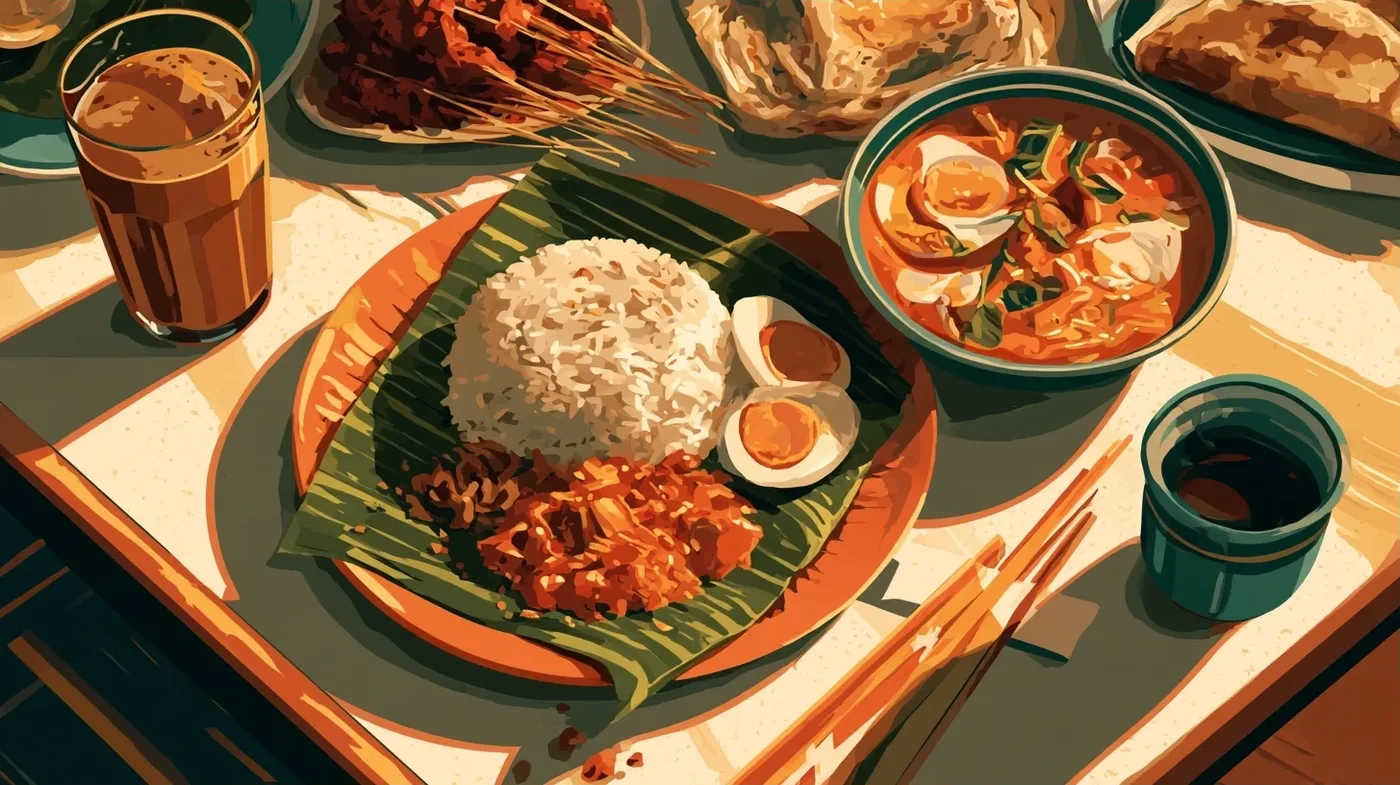
The national dish, and the one to eat first. Coconut rice with a spoon of sambal (chilli paste), fried anchovies and peanuts, cucumber and a boiled egg — eaten for breakfast, wrapped in banana leaf or plated with fried chicken or rendang. is the pilgrimage version (its fried chicken is the draw); does a reliable, sit-down one in the Suria KLCC mall if you want it with air-con.
The Malay & mamak table
- Nasi kandar — the mamak icon: rice drowned in a mix of curries, from a 24-hour counter. on Jalan Ampang is the classic all-hours stop.
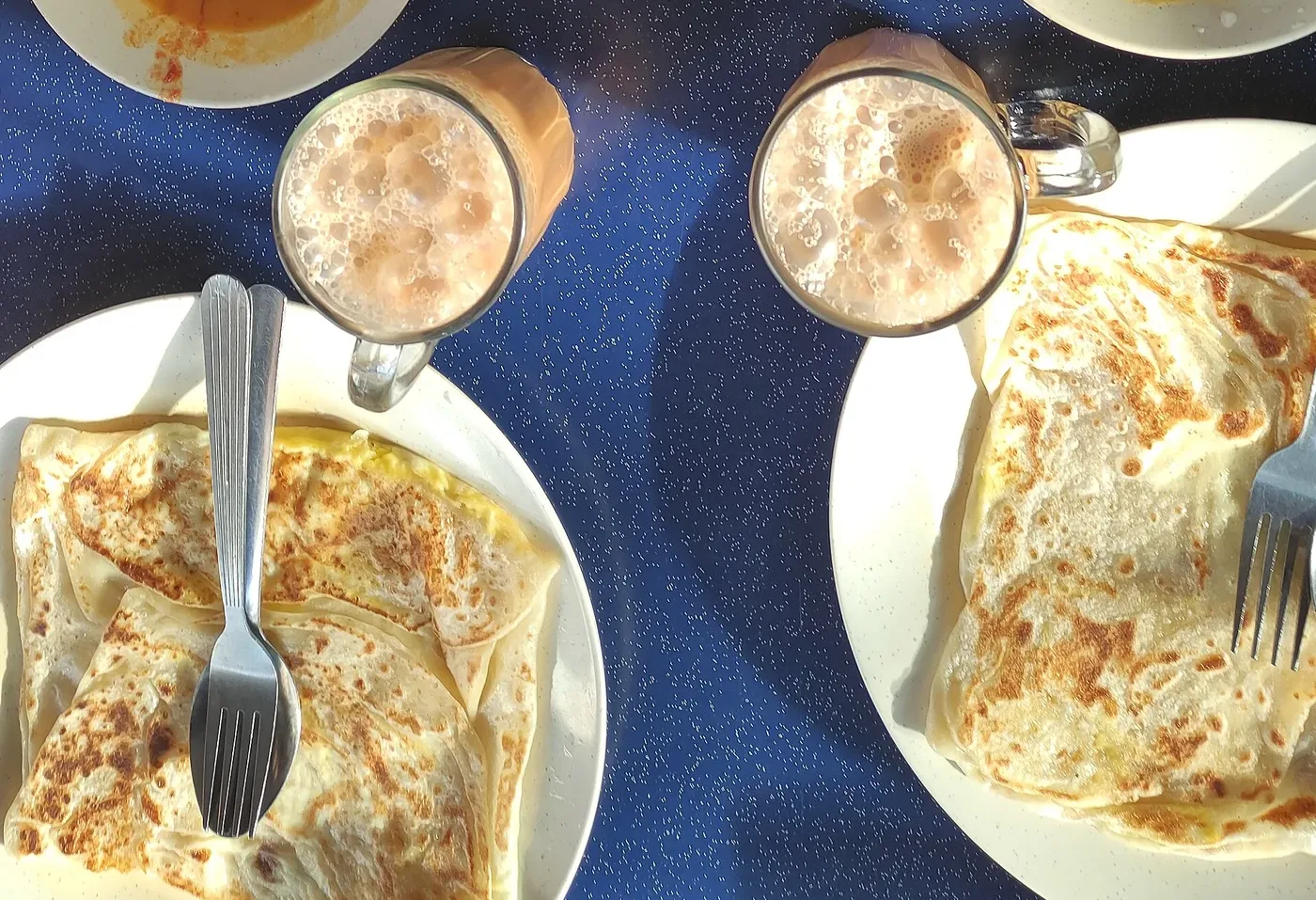
- Roti canai + teh tarik — a flaky griddled flatbread with dhal or curry, washed down with "pulled" sweet milk tea. The default mamak breakfast, and a fine midnight one.
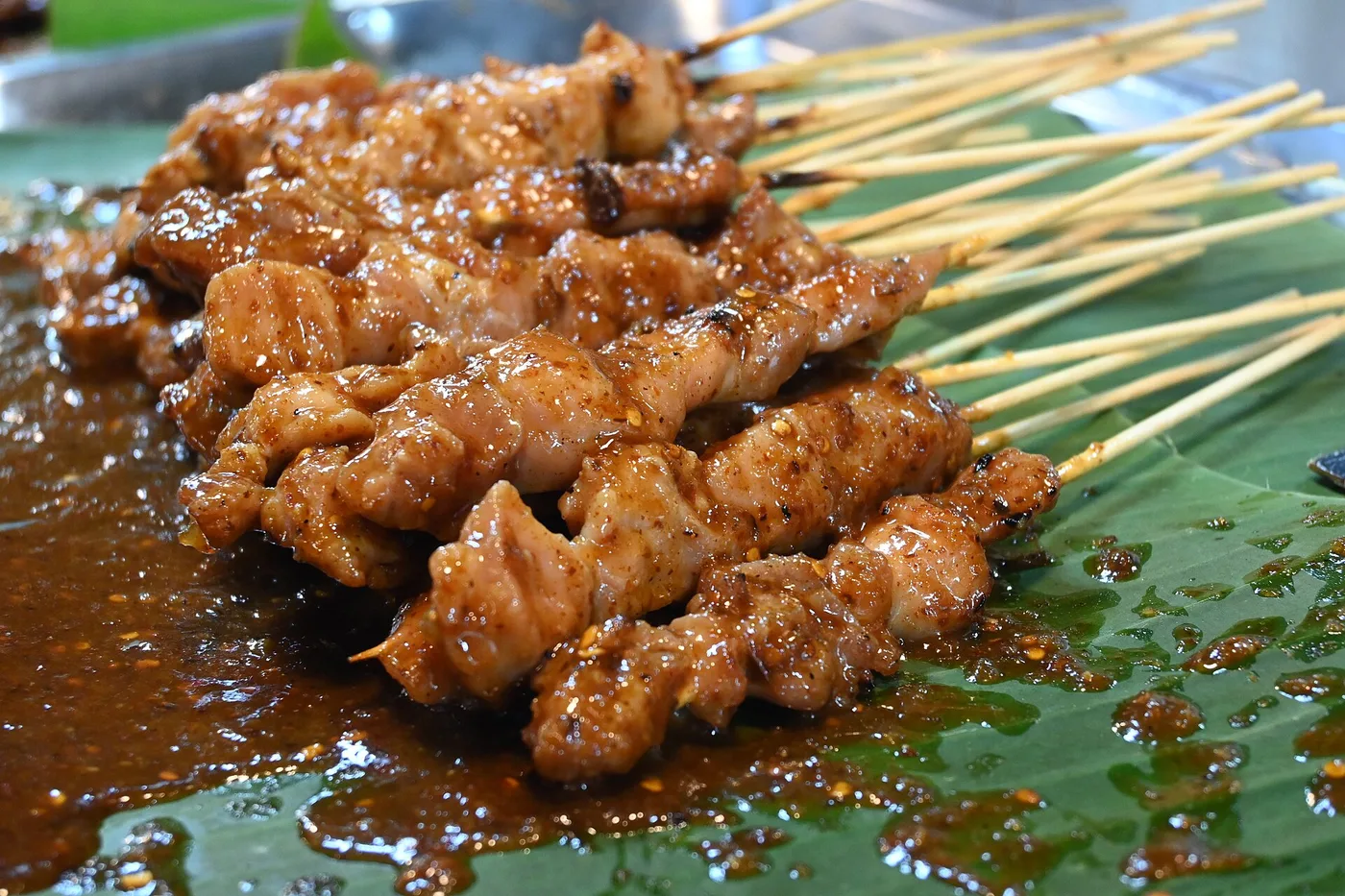
- Satay — skewered, charcoal-grilled meat with peanut sauce, best off a night-market grill.
The Chinese KL table
KL's Chinese food is Cantonese and Hokkien at heart, and the old Chinatown shops do it best.
- Chicken rice — poached Hainanese chicken over oiled rice; on Petaling Street is the institution.
- Bak kut teh — a peppery pork-rib broth simmered in herbs, a KL–Klang speciality eaten for breakfast. and are the go-tos.
- Beef noodles — in Chinatown has been ladling its beef-ball noodle soup for decades.
- Old-school Cantonese — has cooked over a charcoal kitchen since the 1940s; order the roast duck.
- Claypot chicken rice — rice cooked to a crust in a clay pot over flame; is a KL favourite.
The Indian KL table
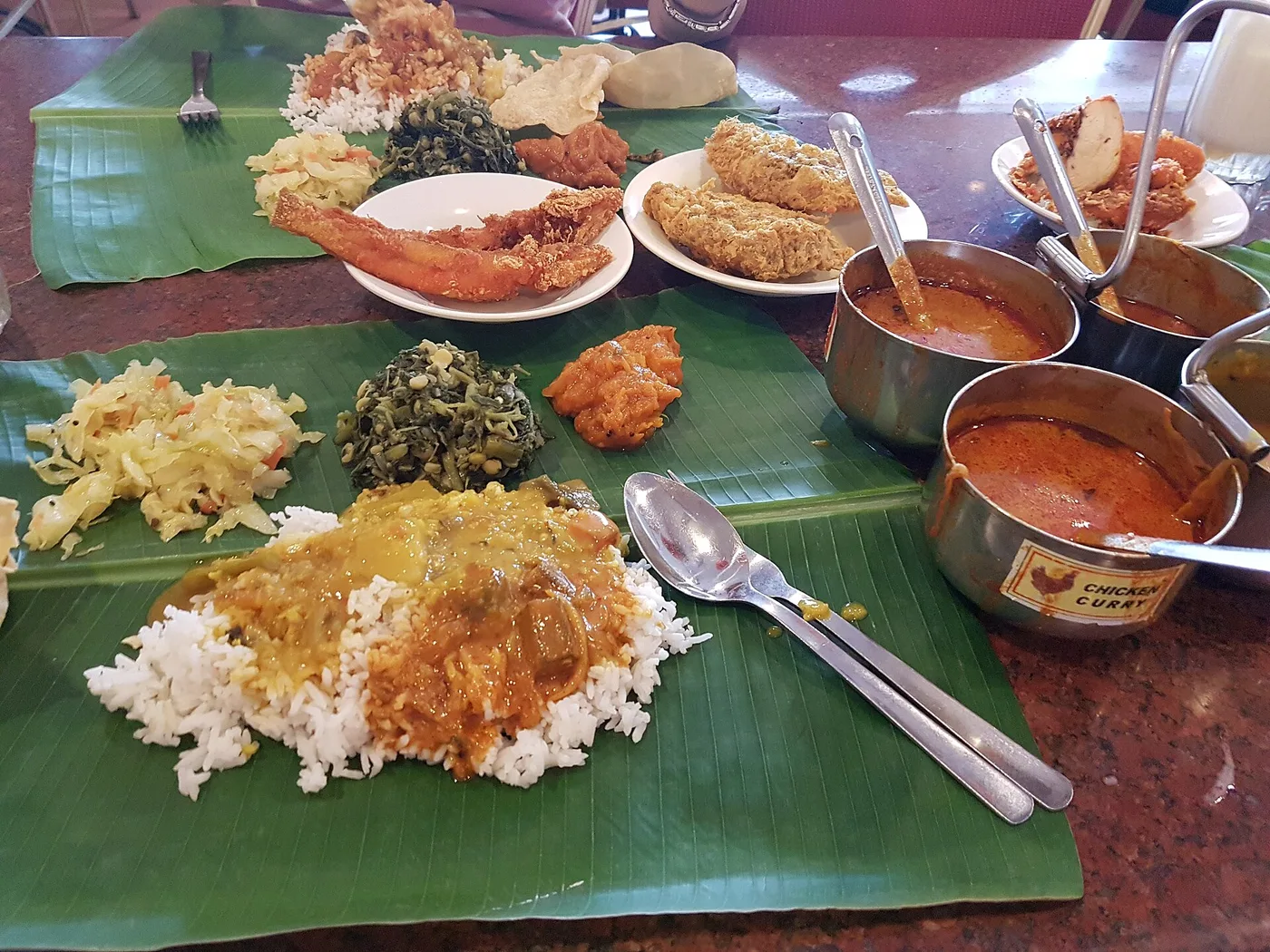
- Banana-leaf rice — rice and a spread of vegetable curries served on a leaf, eaten by hand, refills included. is a benchmark. The heart of it is Brickfields (Little India), a short ride from KL Sentral.
The kopitiam breakfast
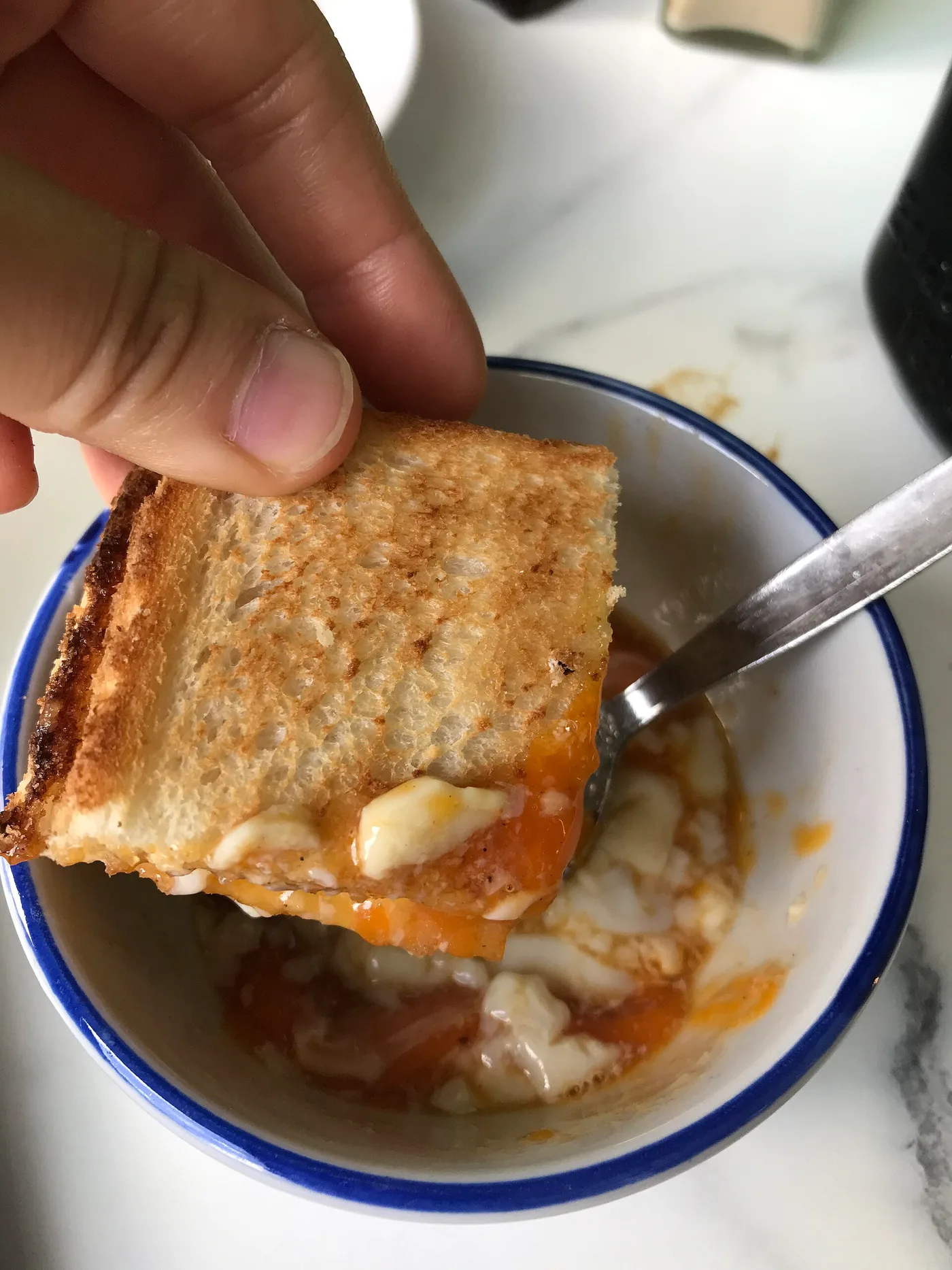
The old coffee shops are their own meal: kaya toast (coconut-jam toast), soft eggs and thick kopi. (Hainanese, since 1928) and are the ones to seek out.
Where to eat it
- — the Bukit Bintang night-food street: a lane of grills and seafood stalls after dark. here is famous for its BBQ chicken wings.
- Chinatown (Petaling Street) — the old Chinese institutions above, packed into a few walkable blocks.
- Brickfields — Little India, for the banana-leaf and the sweets.
- A guided first bite — a through Chinatown and Kampung Baru, or a , unlocks the stalls you'd walk past.
- A view splurge — looks straight at the Petronas, and does a modern-Malaysian tasting menu if you want one big dinner.
Most hawker plates run RM6–15 (~US$1.30–3.20), so you can graze widely for the price of one mall meal.
The mistake to avoid
Eating in the malls the whole trip. The air-con food courts are fine, but KL's best food is at open-air hawker stalls and 60-year-old shophouses — and it's cheaper. The other trap is picking one cuisine: the whole point of KL is that you don't have to.
Threading a week of KL food through your days — the hawker streets, the Chinatown institutions, a Little India lunch, the kopitiam breakfast, all near where you already are — is fiddly by hand. We do about 80% of that research for you, in roughly a minute. Tell us your dates and we'll build the KL days with the hawker streets, the Chinatown institutions and a Little India lunch spaced across them. A solid first cut you can run with.
A full day-by-day plan in about a minute — free, no account.
✨ Plan my trip