

Tokyo's subway for first-timers (it's easier than the map looks)
Short answer: Tokyo's subway map looks terrifying and is genuinely easy to use. Two rules cover almost everything — tap an IC card, and follow your phone. The only real skill is learning to read one thing: the exit.
Why the map looks scary (and why that doesn't matter)
Tokyo's rail is run by several companies at once: Tokyo Metro (9 lines), Toei (4 lines), JR (the Yamanote Line, 山手線, the loop that rings the city, plus more), and a handful of private railways. That's why the map is a tangle of colours and why the fares look complicated — you're crossing between companies.
Here's the freeing part: you don't need to understand any of it. An IC card — that's integrated circuit, the tap-and-go chip card, nothing to do with an identity card — like a Suica, Pasmo or ICOCA (here's the card explainer) works across every one of those companies and charges the right fare when you tap out. Your phone's map picks the line, the platform and the exit. So the "system" is somebody else's problem. You just tap and follow.
The one skill worth learning: read the exit
The trains are the easy bit. The stations are the maze. Shinjuku is the busiest on Earth and the worst of them, with more exits than anywhere in the world — but it's not alone: plenty of big Tokyo stations (Shibuya, Tokyo, Ikebukuro, Ōtemachi) are multi-level warrens too, so the skill applies everywhere, not just there. Come up the wrong exit and you're a ten-minute walk from where you meant to be — on the wrong side of a very big building.
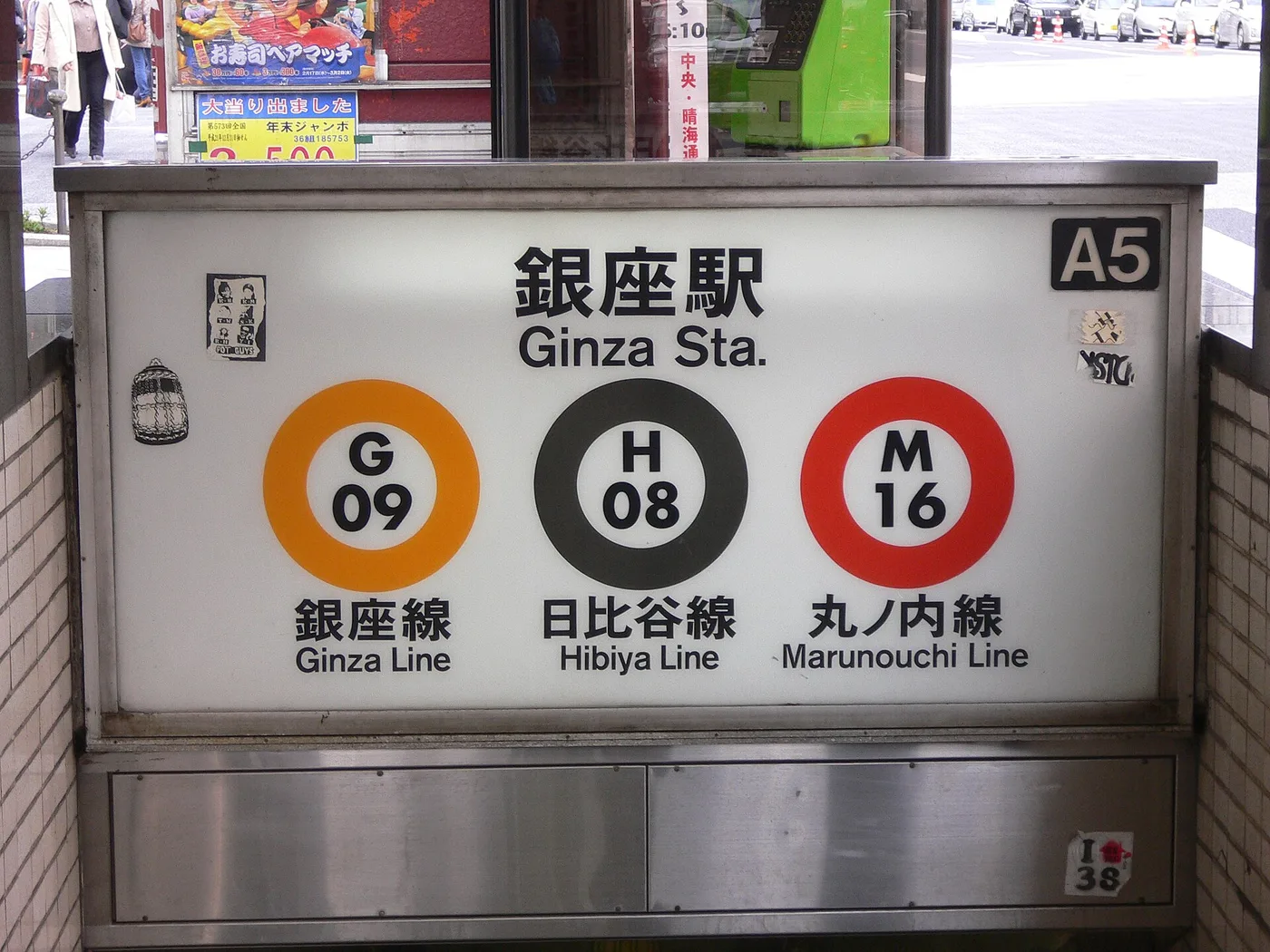
So when the map says "Exit A3" or "New South Gate," note it and follow the signs to that exit, not just to "the station." This one habit saves first-timers more lost time than anything else. Big stations (Shinjuku, Shibuya, Tokyo, Ikebukuro) reward it most.
Rush hour is a real thing
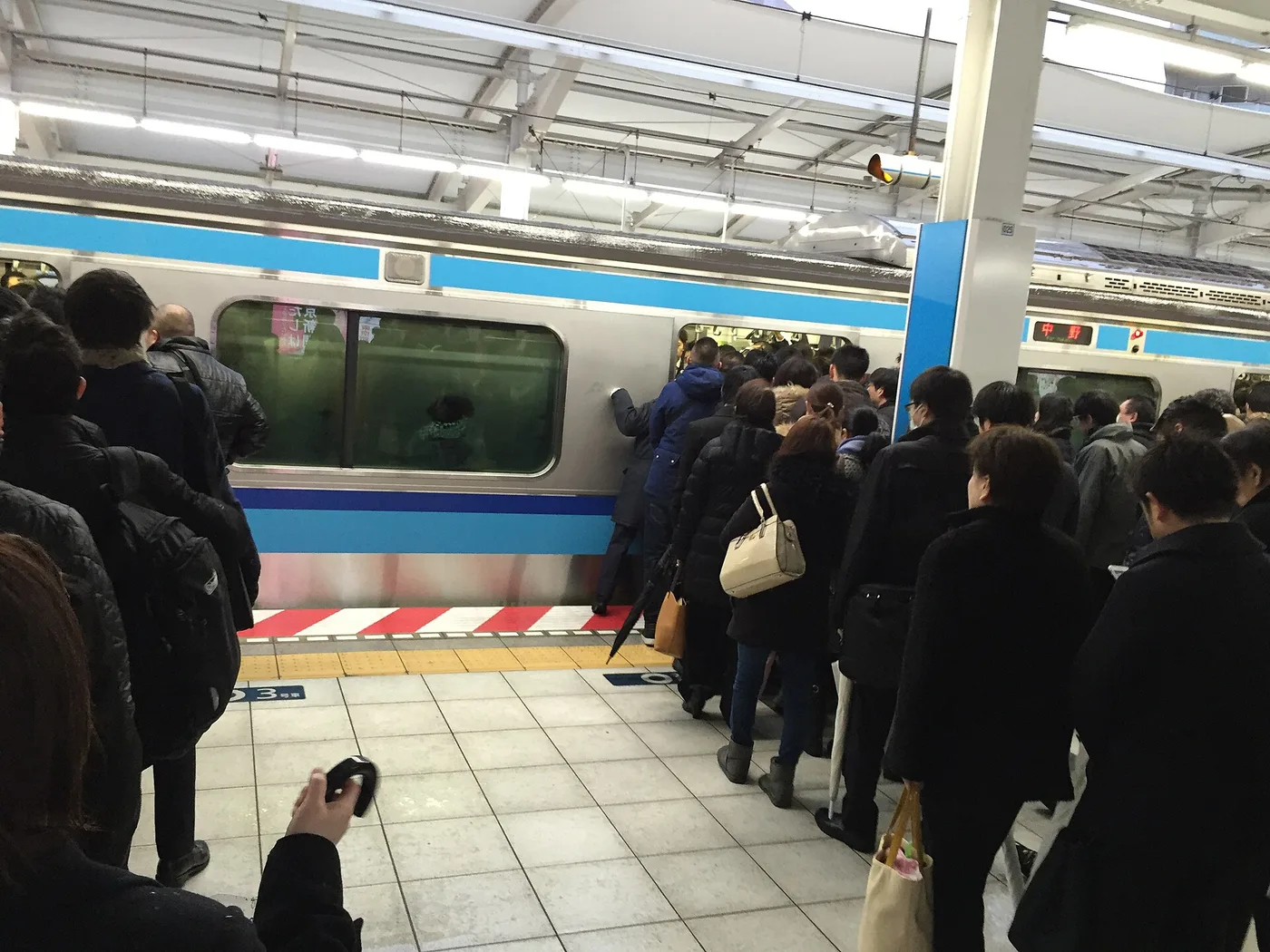
Roughly 8–9am and 6–7pm, the busy lines pack to the famous crush. It's safe, just unpleasant, and no fun with a suitcase. If your day is flexible, move between zones outside those windows — and never plan to drag luggage across town at 8:30am.
Last trains go around midnight
There's no all-night subway. Last trains run from around midnight to about 00:30 depending on the line, then it's a taxi — not the bargain the subway is, but not wild for a short hop, and easy to summon with an app like GO or S.RIDE (link a card, tap, and one comes to your pin). Check the last train before a late dinner or a far-flung bar, or build the evening to end near your hotel.
Do you need a subway pass?
Usually no. Just tap your IC card and pay per ride. There's a tourist subway pass — 24, 48 or 72 hours of unlimited rides, sold at the airports. But it only wins if you're doing about five or more subway rides a day — a group tearing through the sights at a packed pace — and it doesn't cover JR, so the Yamanote loop you'll lean on isn't included. For most first trips, pay-as-you-go is simpler and works out about the same.
Don't lose time to the machine — or the map
The trap is standing at a ticket machine decoding a fare chart for a trip your IC card would have handled with one tap. Tap, and go.
The bigger trap is planning your days by staring at that subway map — hours of it. We do about 80% of that for you, in roughly a minute. Tell us your dates and we'll build the route on the actual lines, each day kept to one part of town so you're not crossing Tokyo twice. A solid first cut you can run with.
A full day-by-day plan in about a minute — free, no account.
✨ Plan my trip