

Getting around Seoul: T-money, the Metro, and the trains out
Short answer: Seoul is one of the easiest big cities in the world to get around. Get a T-money card, tap it on the Metro, buses and taxis alike, and you're sorted. The subway is world-class — clean, fast, signed in English — and Kakao T handles taxis. For the rest of Korea, the KTX high-speed train links the cities. The one thing to plan for is paying with a foreign card, covered below.
Step one: get a T-money card
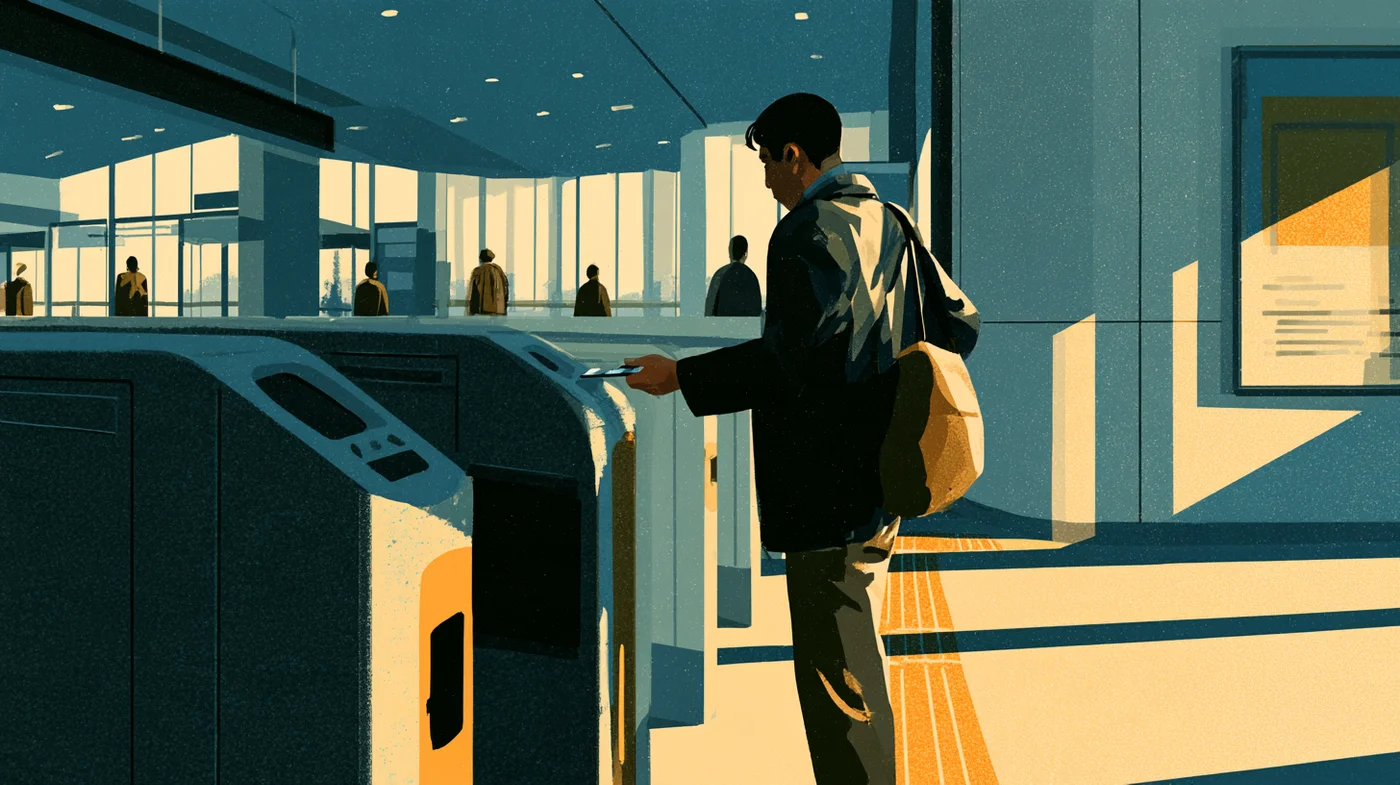
The T-money card is Korea's tap-for-everything transit card — subway, city buses, most taxis, and convenience stores.
- Where: any convenience store (CU, GS25, 7-Eleven, Emart24, MiniStop — one on every block), or the machines in every Metro station. Both airports have a convenience store in arrivals that sells them.
- Cost: about ₩2,500–4,000 (~US$2–3) for the card itself, plus whatever you load on it. Top up with cash at any station machine or convenience store.
- New in 2026: as of March, hundreds of station kiosks (Lines 1–8) also take foreign credit cards (Visa, Mastercard, JCB, UnionPay, Amex) to buy and recharge — so you no longer have to hoard cash for top-ups.
Tap in, tap out, the fare sorts itself. A basic Metro ride is about ₩1,400 (~US$1) — that's the base fare, and it covers the first 10 km, so most trips across central Seoul cost exactly that; only longer cross-city hauls tick up from there.
The Seoul Metro is the backbone
The Seoul Metro is the easy way around the city: clean, frequent, and every line, station and exit is signed and announced in English as well as Korean. Lines are both numbered and colour-coded, so "take Line 2 (the green loop)" is all you need. Tap your T-money at the gate and your phone's map does the rest.
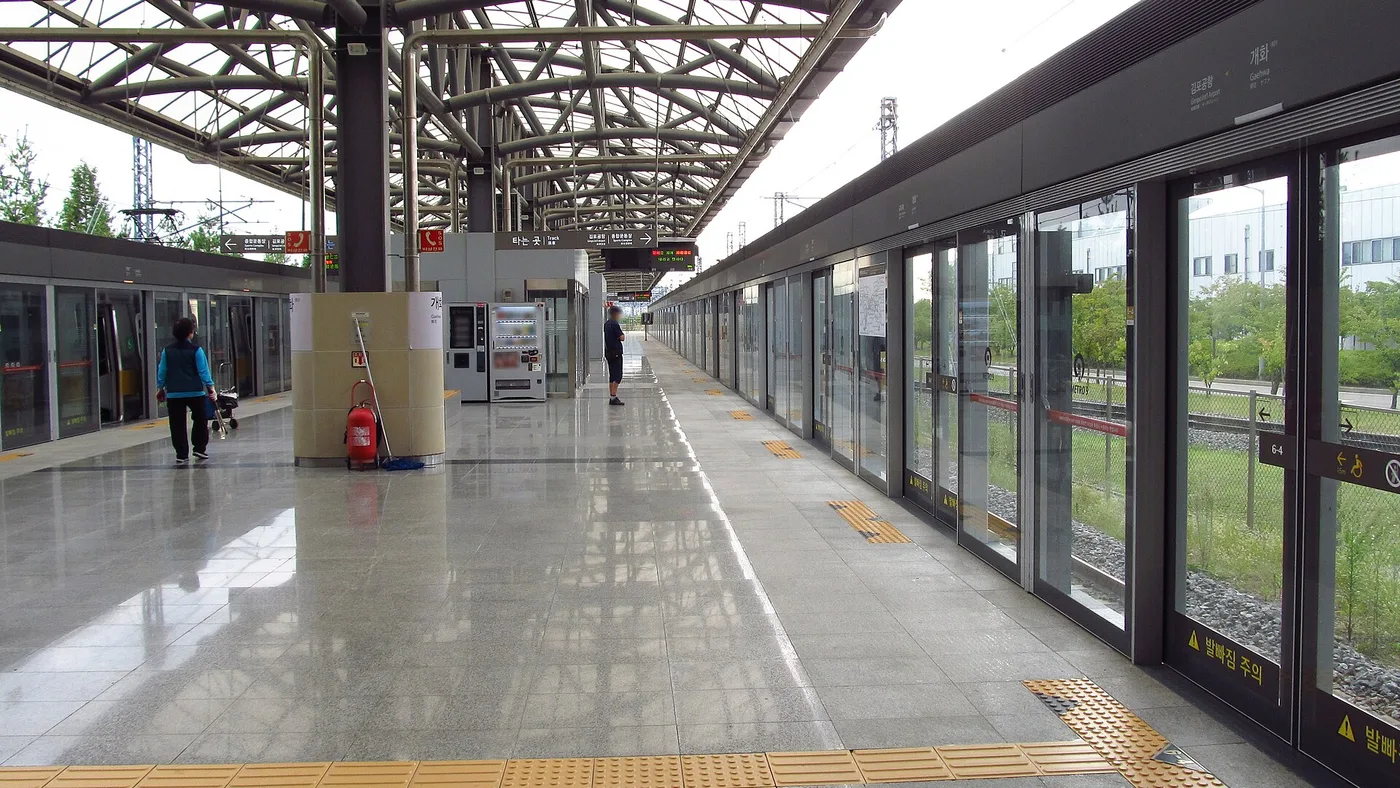
The one habit worth copying from the locals: note your exit number. Big stations have many exits spread across a large area, and the right one saves a long detour — the map gives you an exit number, so follow the signs to that exit, not just "the station."
From the airport: the AREX
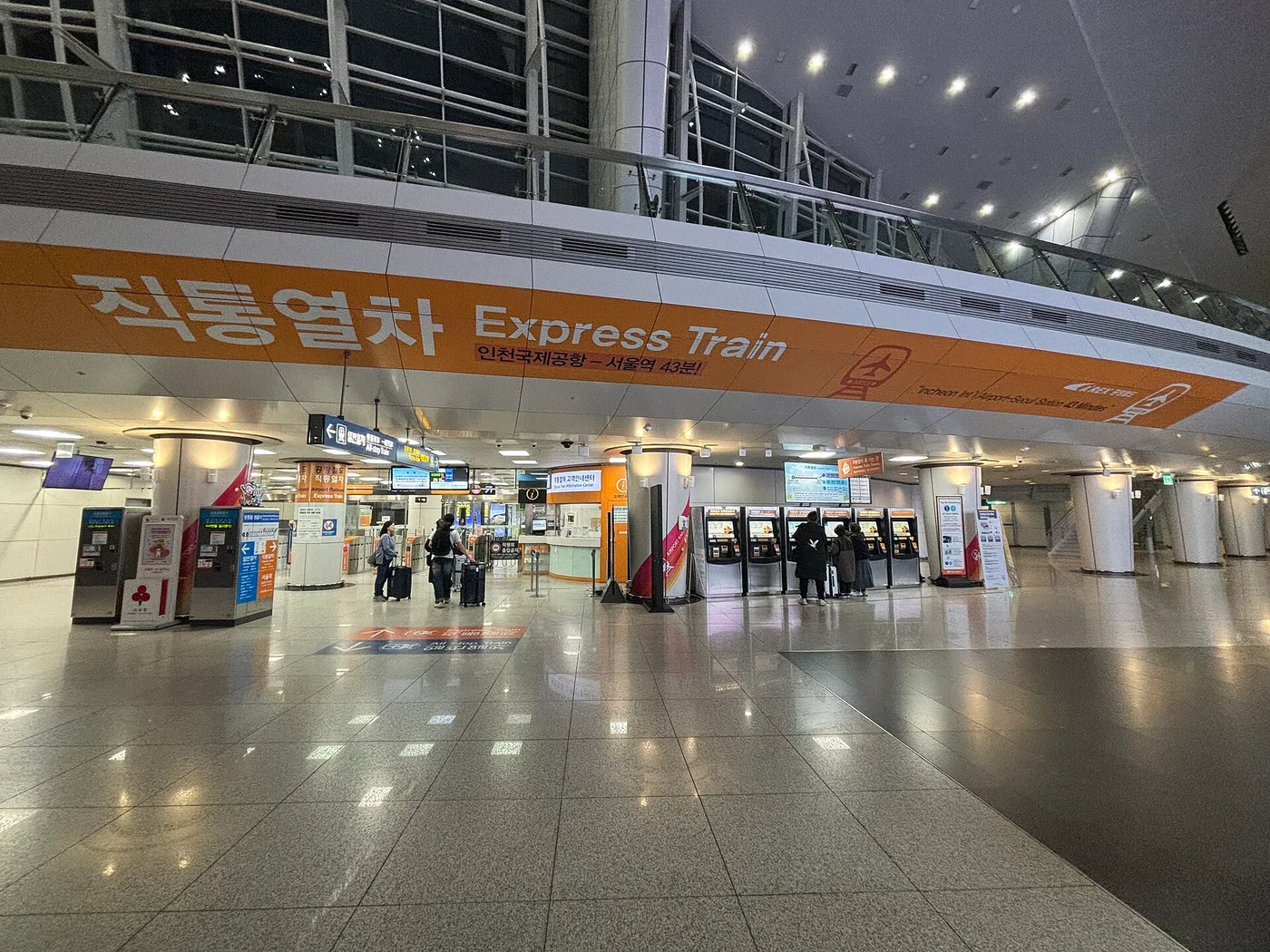
From Incheon Airport, the AREX train runs straight to Seoul Station, and you pick one of two:
- AREX Express — direct, a reserved seat, about 43 minutes for ~₩11,000 (~US$8). Fastest and most comfortable with luggage. (Buy a ticket — T-money doesn't open the Express gate.)
- AREX All-Stop — the ordinary commuter line, about 60 minutes for ~₩4,750 (~US$3.50), and you just tap your T-money in and out like any subway ride. Cheaper, a few more stops.
Jet-lagged with bags, the Express earns its price; on a budget, the All-Stop is fine.
Taxis: Kakao T (and the foreign-card catch)
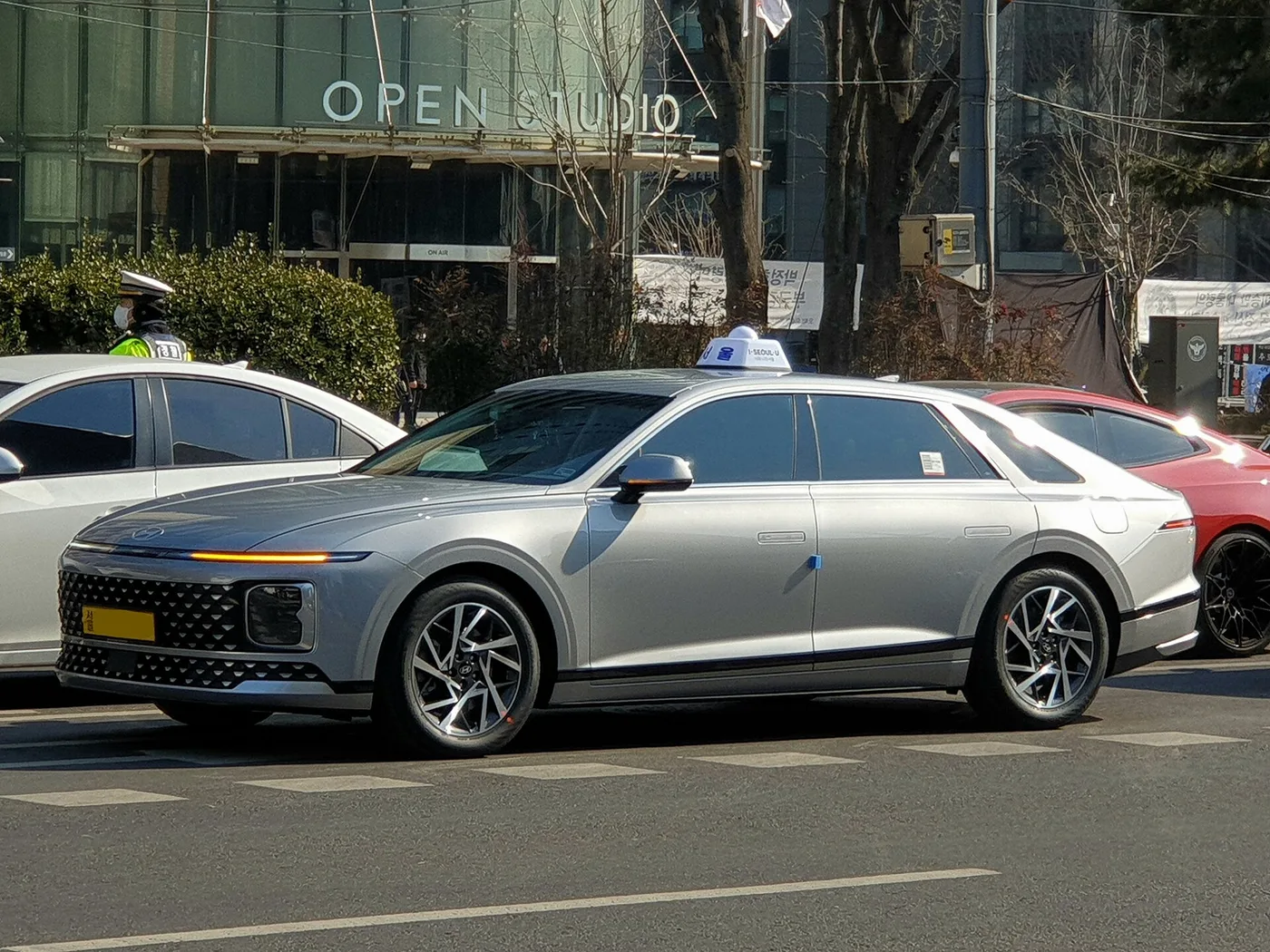
Taxis are cheap and plentiful, and the way locals hail one is the Kakao T app — it runs in English and books a metered taxi to your pin, no haggling.
The catch to plan for: as of 2026, registering a foreign card for automatic in-app payment needs a Korean phone number, so it often won't work for a visitor. Two easy ways round it: choose "Pay to driver" when booking and pay the driver directly (cash, or card — Visa/Mastercard/JCB/Amex), or use k.ride (Kakao's foreigner-facing app) or Uber, both of which take an international card in-app — though both field far fewer cars than Kakao T, so pickups run slower. That coverage is why Kakao T stays the one to open first (just choose Pay to driver); reach for k.ride or Uber when you'd rather settle by card in the app. Any of the three gets you a taxi; just decide how you'll pay before you ride.
Beyond Seoul: the KTX and the buses
To reach the rest of Korea, two options:
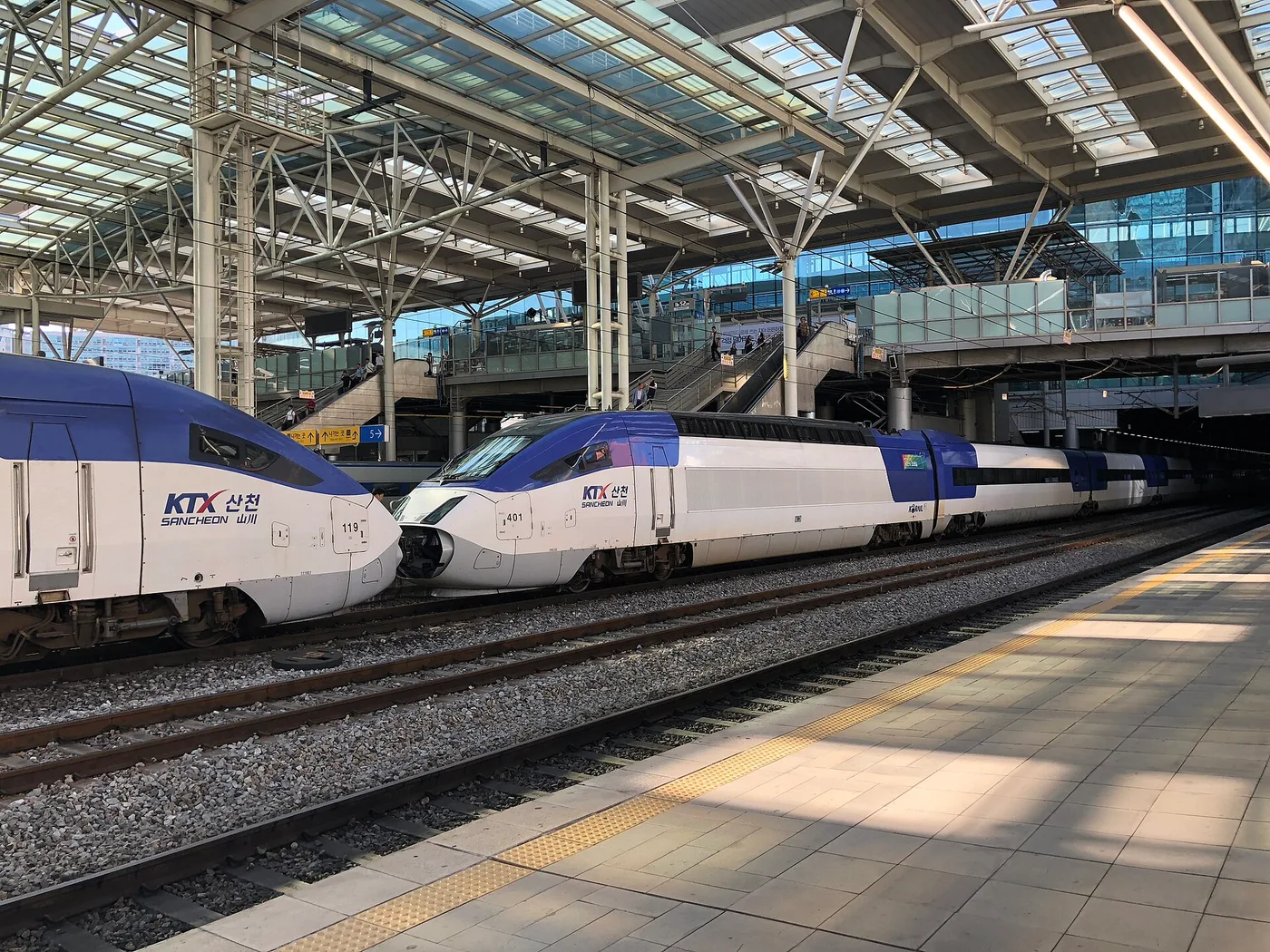
- KTX (the high-speed train) — Seoul to Busan in about 2h15, from roughly ₩59,000 (~US$44) one way. Fast and comfortable. Book on the English Korail site (letskorail.com) or the KorailTalk app — but note a foreign card often won't go through on Korail's own site, which is the usual snag; booking through a travel-agent reseller sidesteps it.
- Express buses — the budget way, and genuinely good: comfy long-distance coaches from Seoul's big terminals (Express Bus Terminal, Central City). Slower than the KTX, a fraction of the price.
A few etiquette notes
- Leave the priority seats empty — the pink/marked seats at each car's end are for elderly, pregnant and disabled riders, and locals keep them free even when the car is packed.
- Keep it quiet — no loud calls; the Metro is notably hushed.
- Stand on the right on escalators, walk on the left.
Don't fight the map — let the plan draw it
Planning a Seoul trip the hard way is hours of it — cross-referencing the Metro map, opening times, and which sights sit near which. We do about 80% of that legwork for you and hand it back in roughly a minute. Tell us your dates and we'll build your Seoul days on the real Metro lines, each kept to one area so you're not criss-crossing the city — a solid first cut you can run with, then tweak whatever you like.
A full day-by-day plan in about a minute — free, no account.
✨ Plan my trip