

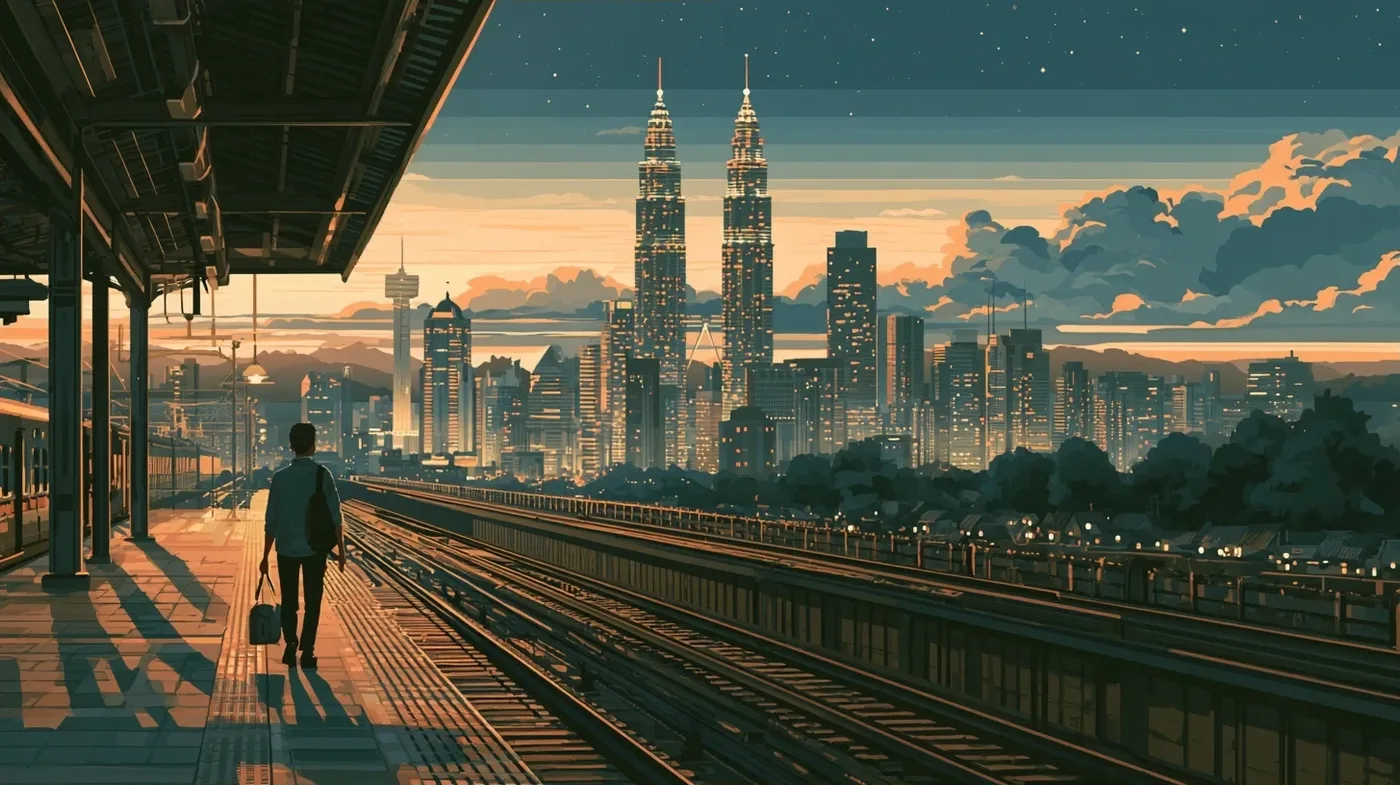
Getting around Kuala Lumpur: the trains, Touch 'n Go, and Grab
Short answer: Kuala Lumpur is easier to get around than it looks. A single tap card — Touch 'n Go — covers the whole rail network (LRT, MRT and the Monorail), and where the trains don't reach, Grab does — cheaply, if not always quickly, because KL's traffic is genuinely heavy and the jams are real. The fast KLIA Ekspres brings you in from the airport. The one thing to know: the network is good but not seamless, and KL is hot, spread out and congested — so you'll pair the trains with Grab, and lean on the trains at rush hour.
The rail: one network, run by Rapid KL
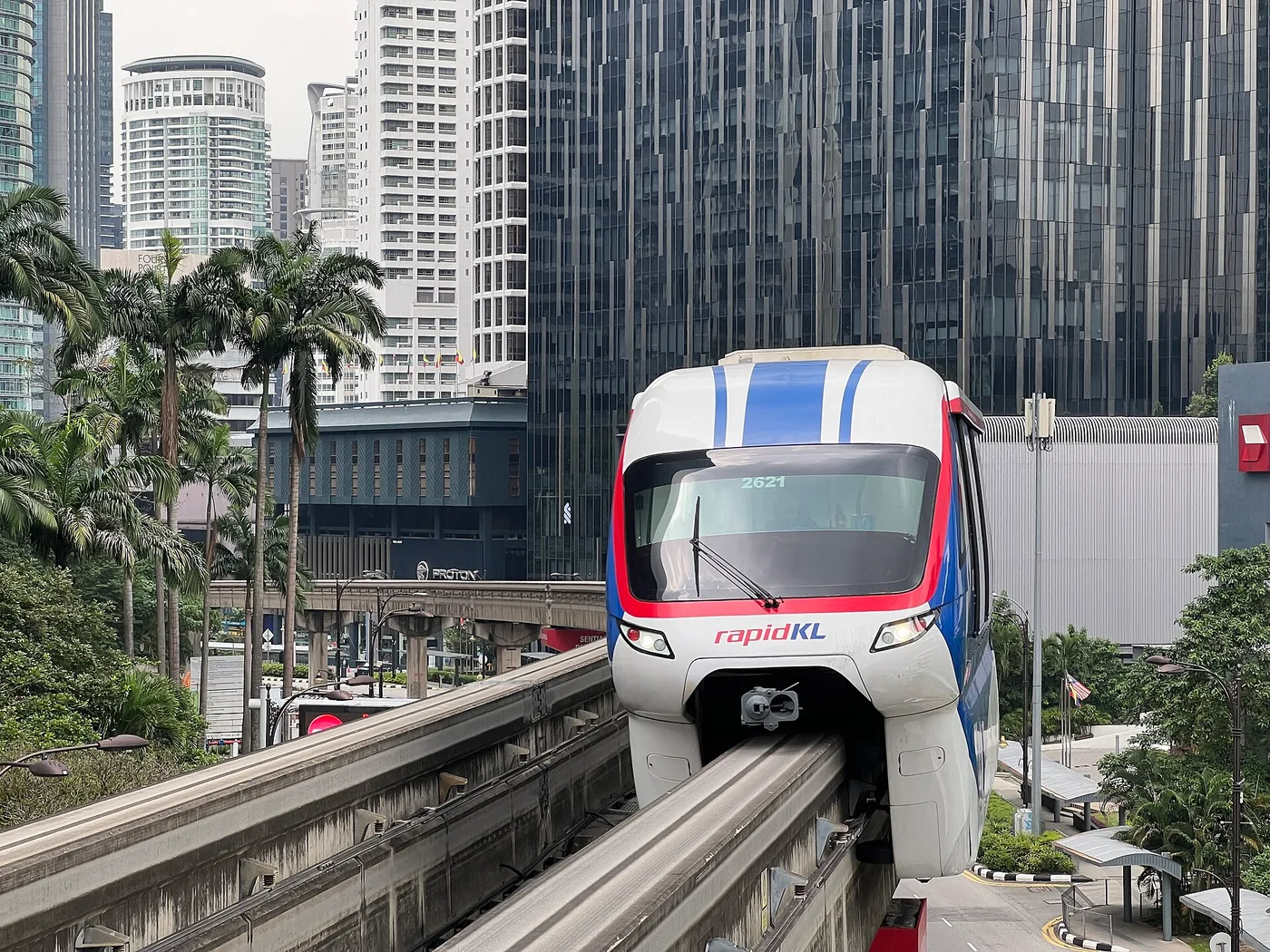
Rapid KL runs the lot — the LRT and MRT lines and the KL Monorail — and between them they hit the places you're going: KLCC and the Petronas Towers, Bukit Bintang, Chinatown, and the big interchange at KL Sentral. Single fares run about RM1.10–6.40 (~US$0.25–1.40) by distance. The trains are fast, air-conditioned and signed in English.
The card: Touch 'n Go covers everything
Unlike Bangkok's split systems, KL has one card for all of it. A Touch 'n Go card taps you through every rail line and the buses, at a lower "cashless" fare than a paper token, and you'll want to keep a RM20 (~US$4.30) minimum balance on it. Grab one at any station or convenience store. If you're riding a lot, the tourist MyRapid 3-day pass (about RM30 / ~US$6.40) gives unlimited rail for 72 hours.
From the airport
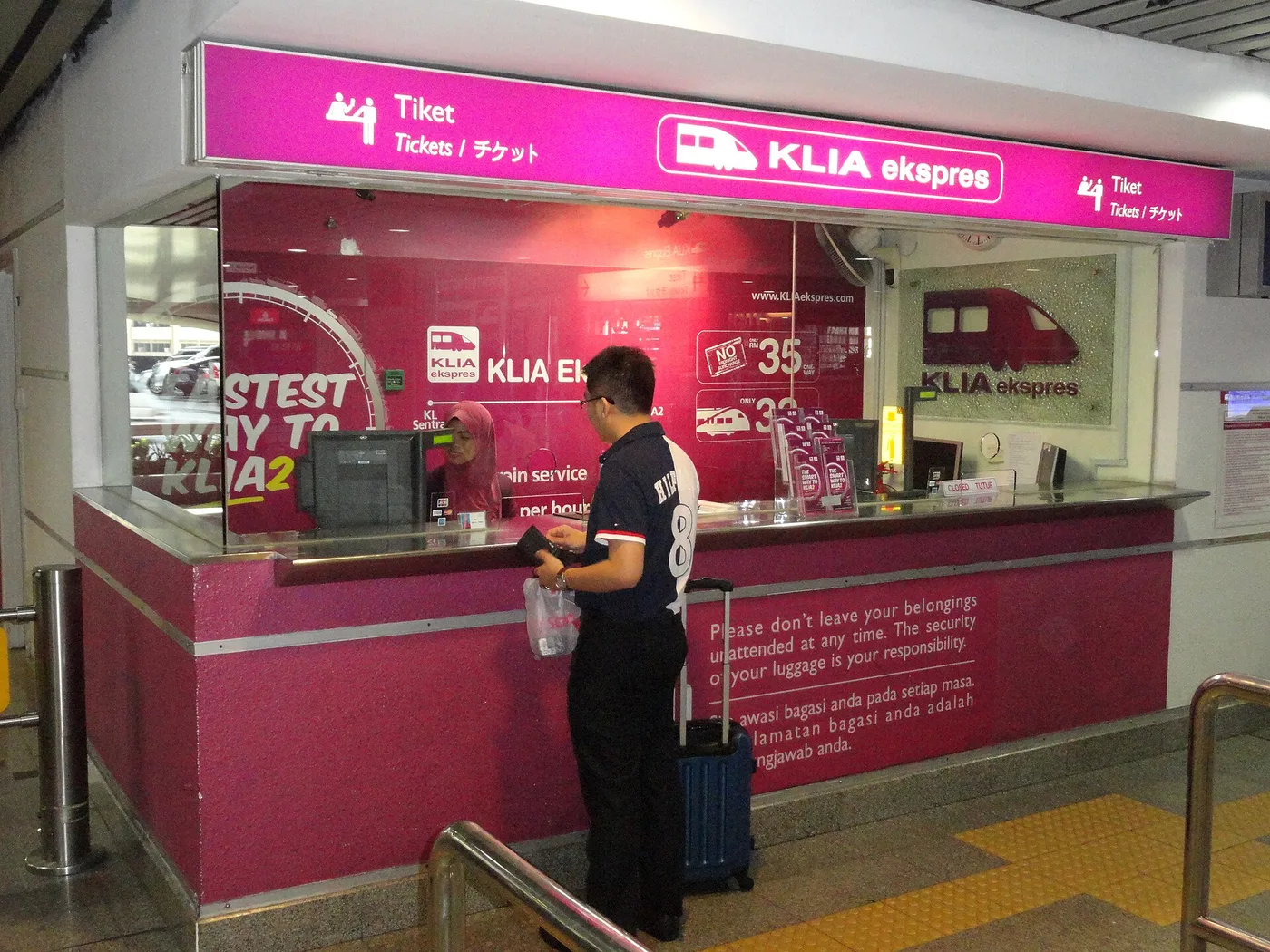
- KLIA Ekspres — the non-stop train from the airport to KL Sentral in 28 minutes, about RM55 (~US$12) one way. Fastest and simplest with luggage; connect to the rest of the rail network at KL Sentral.
- Grab — from the airport to the centre runs about RM70–110 (~US$15–23) and 45–75 minutes depending on traffic; worth it for a group or a late arrival, but the train beats it at rush hour.
Grab is your other half
- Grab — the ride-hailing app is the way to get a car in KL: fixed price, no haggling, everywhere. It's how locals fill the gaps the rail leaves, and it's cheap by Western standards.
- Street taxis are the least predictable option — a few will quote a flat fare instead of running the meter, so agree the meter up front or, simpler, just open Grab and skip the haggle.
A few notes
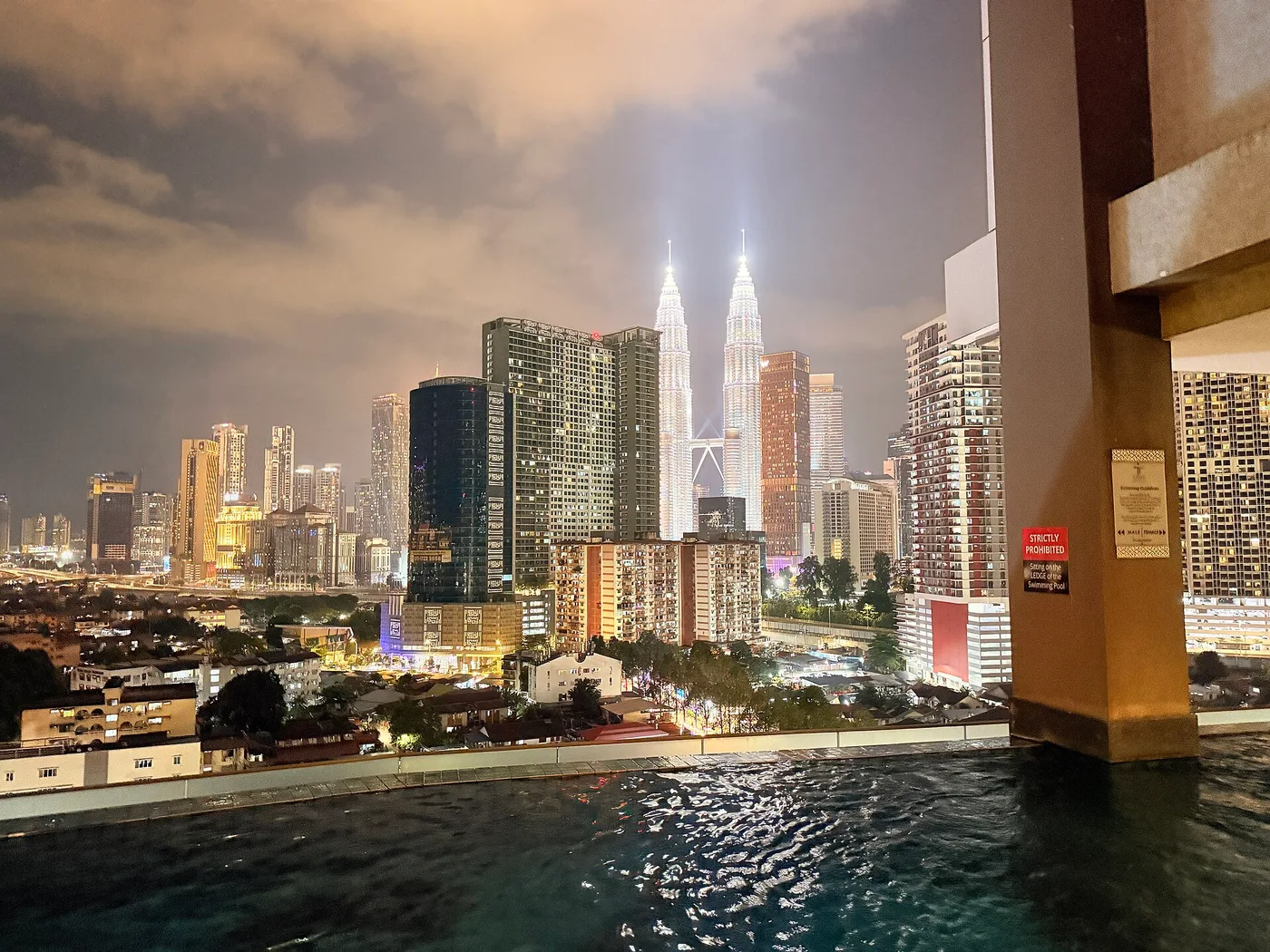
- The heat is the real obstacle, not the distance. KL is built around air-conditioned malls and covered walkways — the long covered link from KLCC to Bukit Bintang lets you cross the centre without melting.
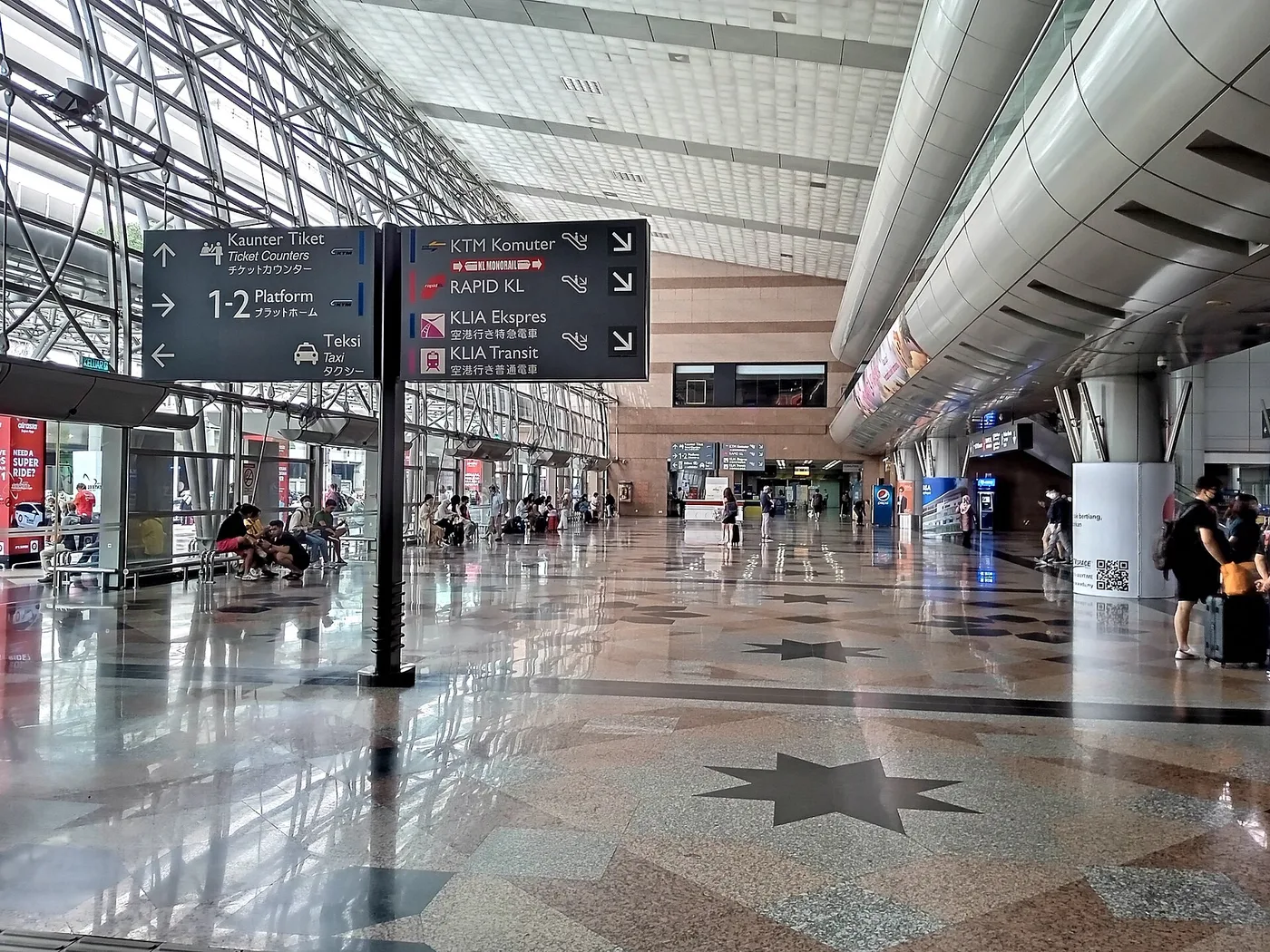
- Give KL Sentral a minute. The main interchange is big and links the airport train, the rail lines and the intercity trains — follow the coloured signs to your line.
Don't fight the map — let the plan draw it
Which line, which interchange, when to just Grab it — that's exactly the tab-switching we take off your hands. We do about 80% of that research for you, in roughly a minute: tell us your dates and we'll build your KL days on the real lines, each kept to one area so you're not crossing the city in the heat. A solid first cut you can run with.
A full day-by-day plan in about a minute — free, no account.
✨ Plan my trip