


Getting around Hanoi: the walkable Old Quarter, the new Metro, and Grab
Short answer: for a first trip, Hanoi is mostly a walking-plus-Grab city. The historic core — the Old Quarter and Hoan Kiem Lake — is small and dense enough to cross on foot, and for everything else you open Grab. Hanoi has a new metro too, but it doesn't reach the Old Quarter yet, so you'll use it less than you'd expect.
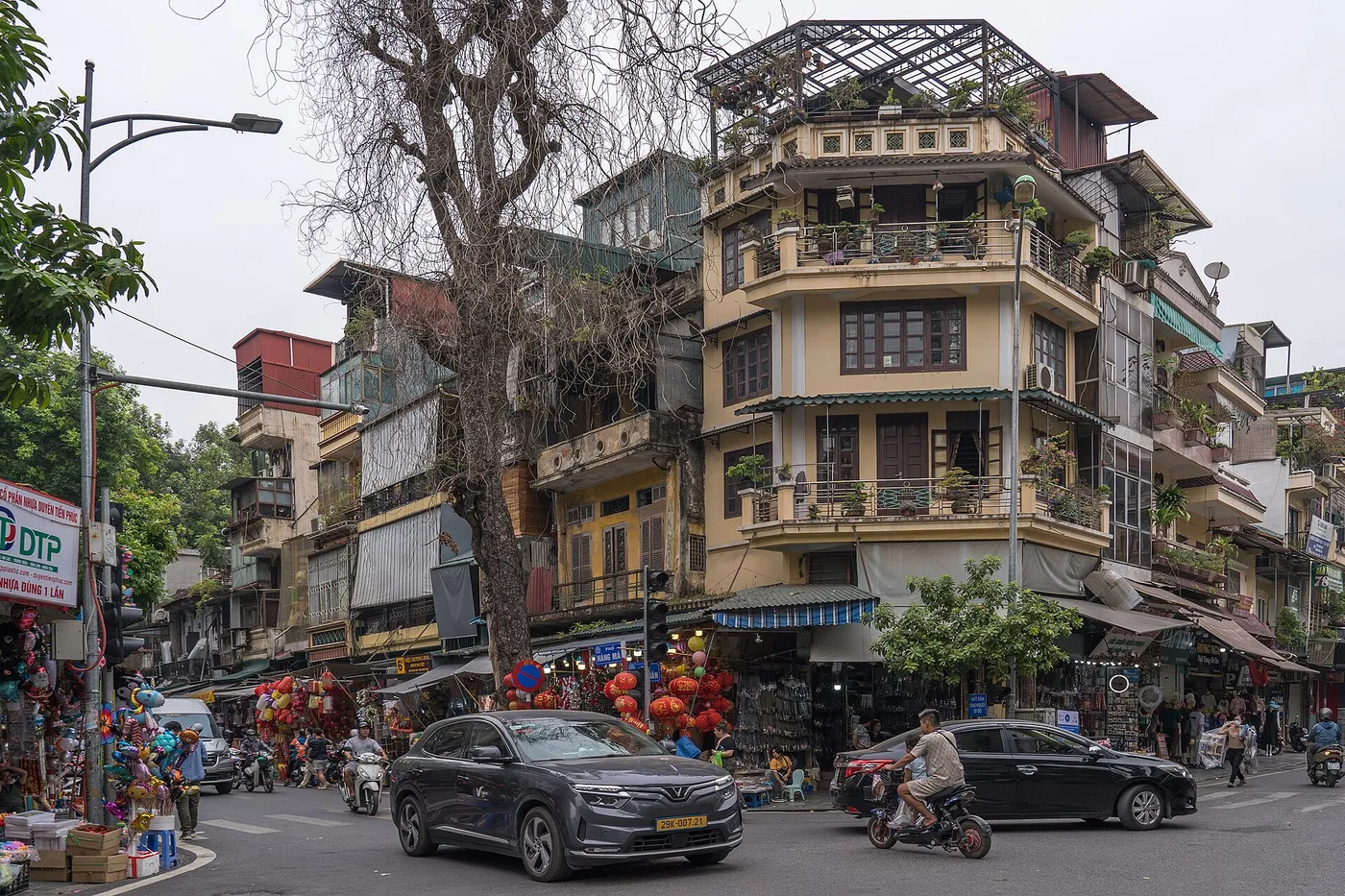
The Old Quarter is walkable — that's the main "system"
The 36-streets tangle north of Hoan Kiem Lake, the lake itself, and the French Quarter just south of it all sit within an easy walk of one another. Base yourself in or beside the Old Quarter and most of your sightseeing needs no vehicle at all — which is just as well, because the lanes are too narrow and busy for much beyond two wheels and your own feet.
The Metro: new, but not where you're staying
Hanoi has two metro lines running, and the thing to know is that neither reaches the Old Quarter:
- Line 2A (Cat Linh – Ha Dong) opened in 2021; its Cat Linh terminus is over by the Temple of Literature, about 2.5 km — a solid half-hour's walk — from Hoan Kiem Lake, so it's not a step-off-and-you're-there line for the centre.
- Line 3 (Nhon – Cau Giay) runs on an elevated stretch in the west; its underground section into the centre (to Hanoi Station) isn't open yet — it's due around 2027.
Fares run roughly 8,000–19,000 VND (~US$0.32–0.75) by distance, with a day pass around 30,000 VND (~US$1.20); the machines take cash or card and give you a contactless token. The metro is pleasant and cheap if your day happens to run along a line — but for a first trip in the historic core, treat it as a nice-if-it-fits, not your spine.
From the airport (Noi Bai)
Noi Bai (HAN) is about 27 km north of the centre — further out than most city airports, so the ride in matters:
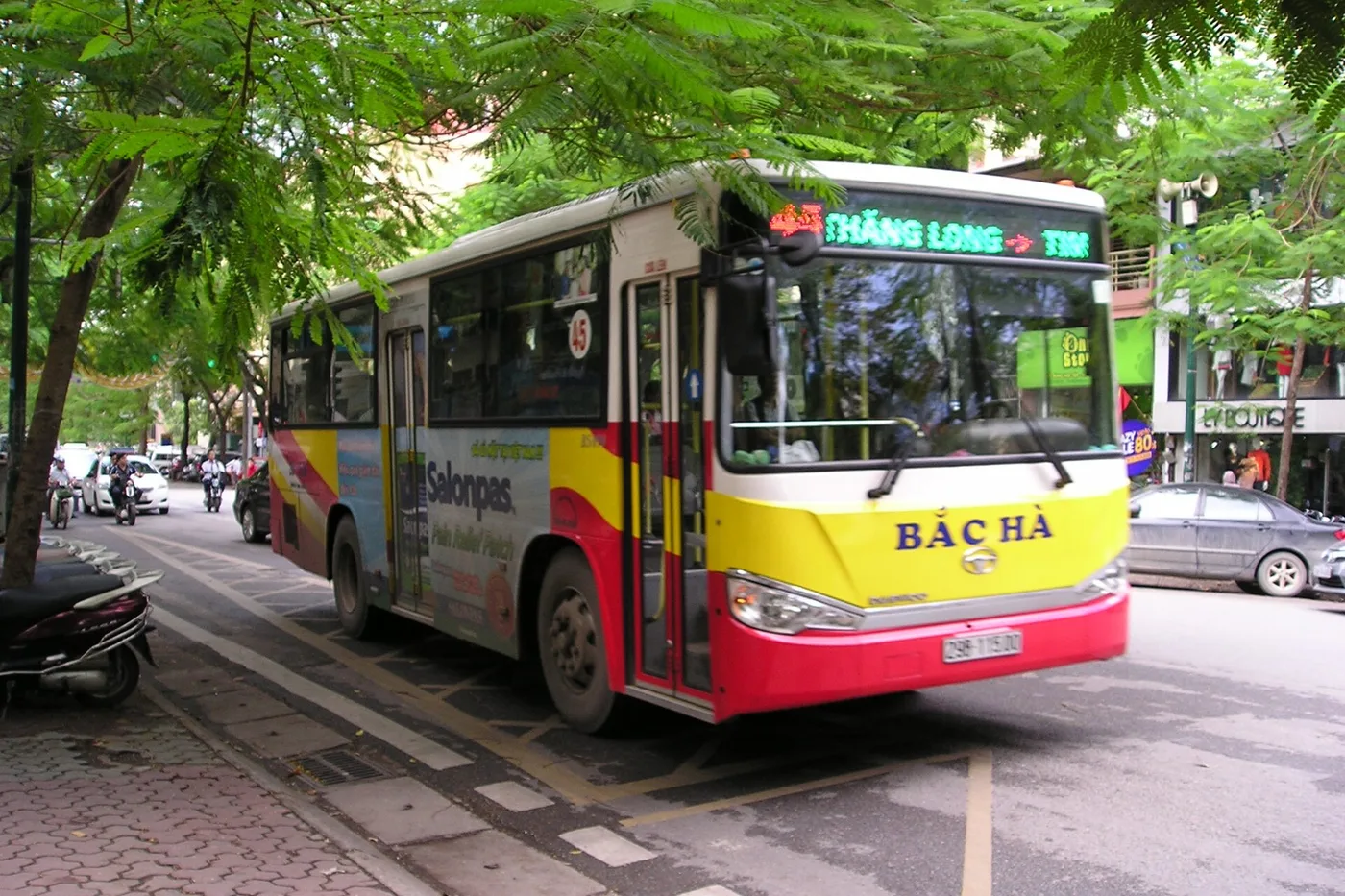
- Bus 86 is the easy public option: it runs to Hanoi Railway Station via the Old Quarter (the Le Thanh Tong stop), every 25–30 minutes from about 06:18 to 22:58, for about 35,000–45,000 VND (~US$1.40–1.80); 35–50 minutes off-peak, longer in rush hour.
- Bus 17 is cheaper — 9,000 VND (~US$0.36) — but slower.
- Grab or a taxi is the door-to-door option, and what most people take with luggage; the fare runs to a few hundred thousand dong, so check the live price in the Grab app and take a booked ride rather than a curbside offer. There's no train or metro to the airport.
Grab is the everyday tool
For any trip the walk won't cover, Grab is the answer — it does cars and motorbike taxis (GrabBike). Booking in the app fixes the price and the route, which spares you the negotiation. Be and Xanh SM (electric) do the same job when Grab is busy.

A few local notes
- Crossing the road: step off at a steady, predictable pace and let the scooters part around you — hesitating is what causes the near-misses, not the scooters.
- The cyclo (a cycle-rickshaw) still works the Old Quarter as a slow tourist ride — agree the price and the length of the trip up front, ideally typed into your phone so there's no "misunderstanding" at the end.
- Carry cash for cyclos, buses and small stalls; cafés and shops increasingly take card and QR, but the street still runs on notes.

Don't overthink it
Walk the Old Quarter, Grab the rest, and treat the metro as a bonus rather than the plan. Set the app up before you fly and the hard part's done. Then spend your attention on the days: we do about 80% of that research for you, in roughly a minute. Tell us your dates and we'll build your Hanoi plan on the real map, each day kept tight around one part of town so you're on foot more than in traffic. A solid first cut you can run with.
A full day-by-day plan in about a minute — free, no account.
✨ Plan my trip