

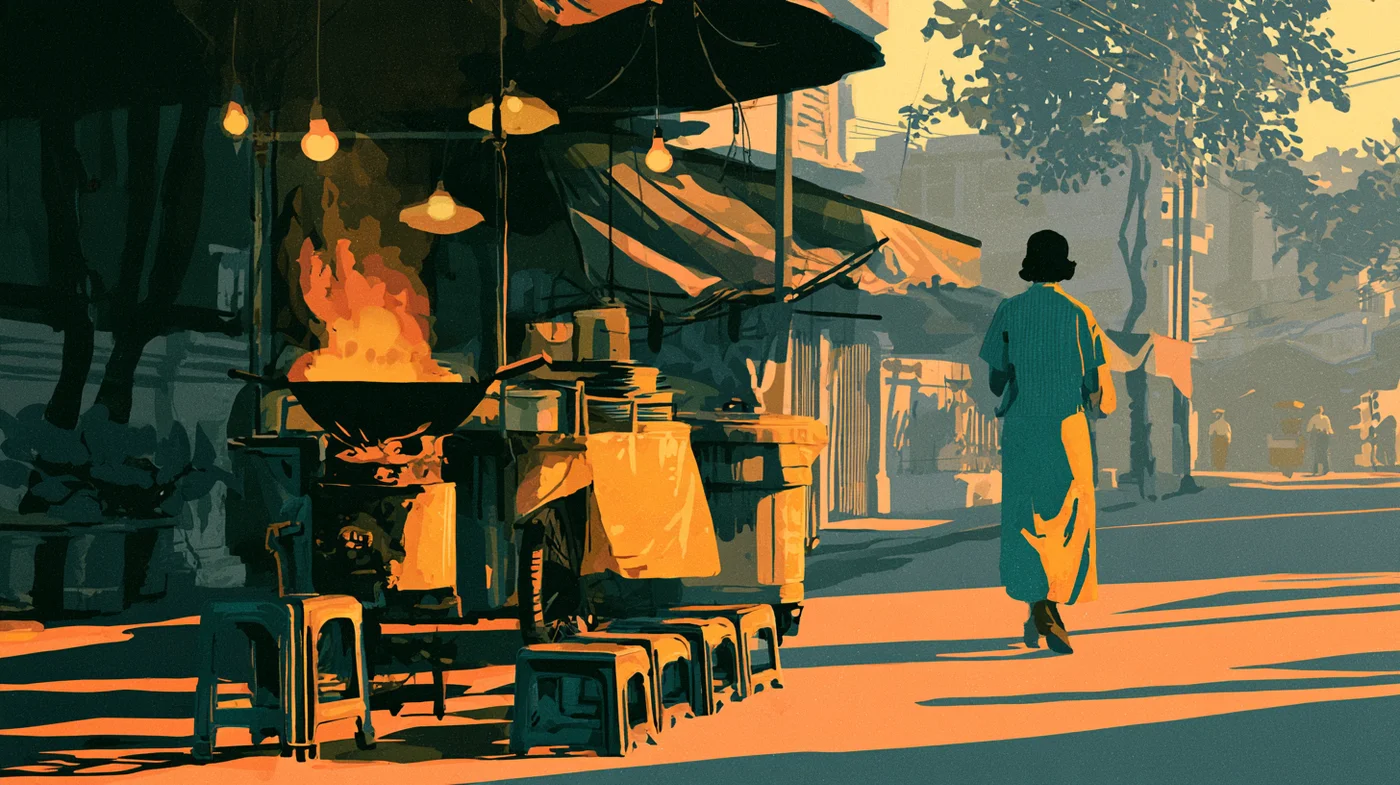
Bangkok street food: what to eat, and where
Short answer: Bangkok may be the best street-food city on earth. The Thai secret is balance — sweet, sour, salty, spicy and umami all singing in one mouthful — and the best of it is cooked at a cart, eaten on a plastic stool on the pavement, for the price of a coffee back home. Here's what to order and where to find it.
The dishes to order
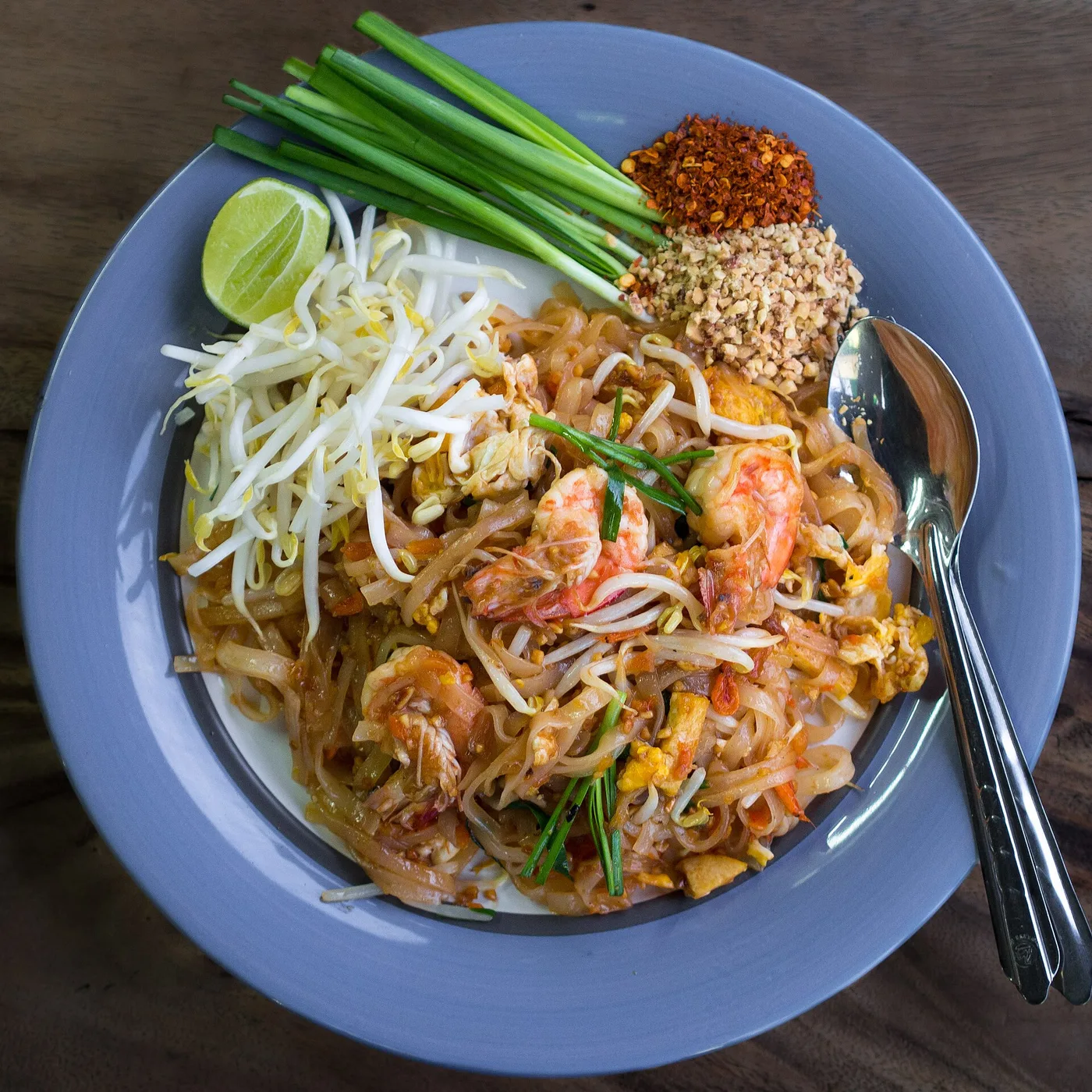
- Pad thai — the famous stir-fried noodle, best at a specialist; near the old city has done one version for decades.
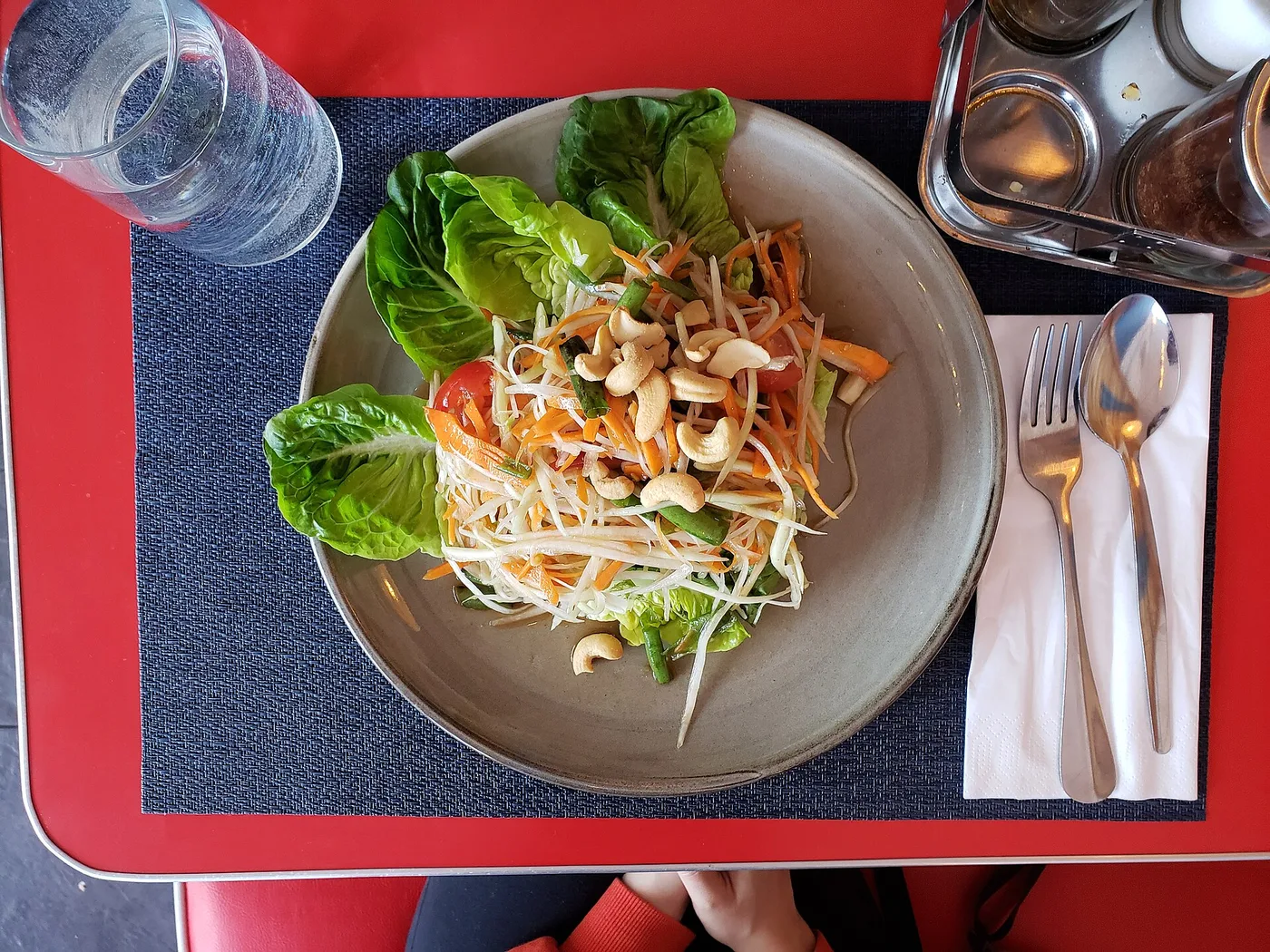
- Som tam — pounded green-papaya salad, fiery and sour; the north-eastern (Isan) staple. does the Isan spread properly, with a Bib Gourmand to show for it.
- Tom yum goong — the hot-and-sour prawn soup that defines Thai flavour in a bowl; the midnight bowl at draws a queue for a reason.
- Green and massaman curries — one bright and herbal, one rich and mild; both over rice. For a proper massaman, the old halal canteen on Charoen Krung has cooked it for generations.
- Khao man gai — poached chicken on garlicky rice with a chilli-ginger sauce, the perfect cheap lunch; the pink-shirt is the Bib-listed classic.
- Boat noodles — tiny, intense bowls of dark broth you order three or four at a time; the alley at is the spot.
- Moo ping & sticky rice — grilled pork skewers from a morning cart, the breakfast of Bangkok.
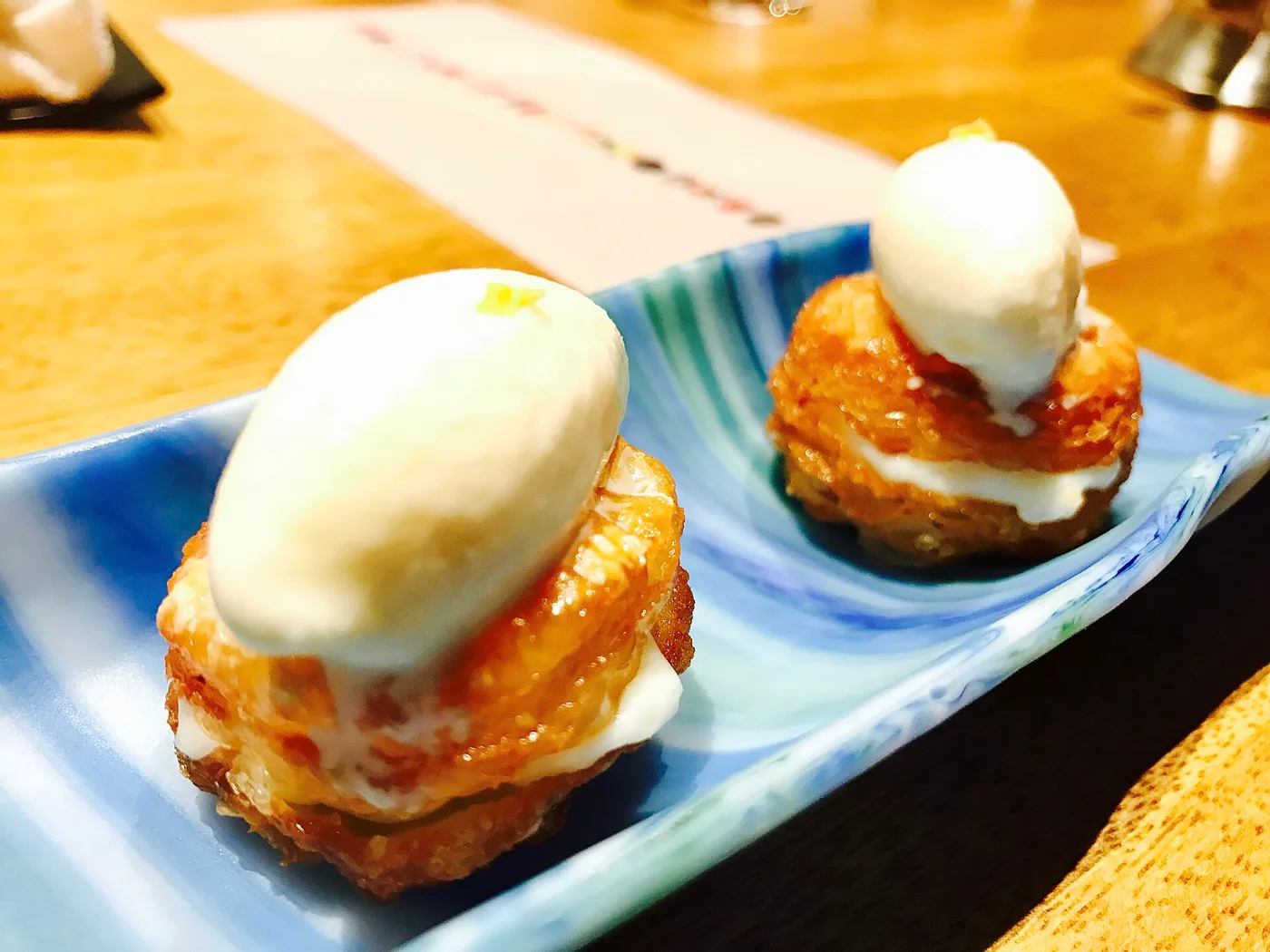
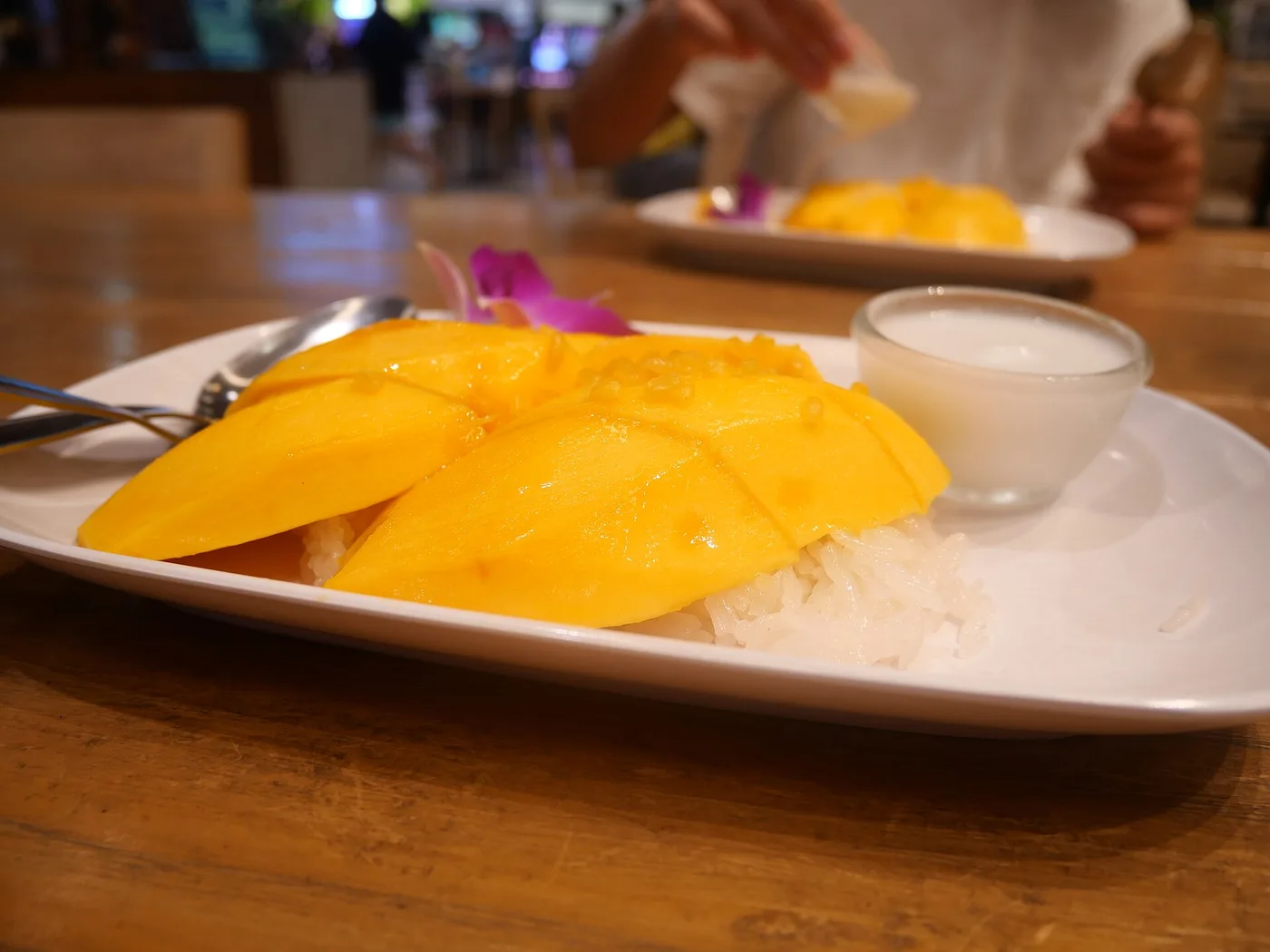
- Mango sticky rice — sweet mango, coconut-soaked rice; the dessert you'll order twice. has made it since 1932, and holds a Bib Gourmand for it.
Most street plates run ฿50–70 (~US$1.50–2), which is the other half of the magic.
The Michelin street stall
Bangkok is the city that put street food in the Michelin guide. The legend is — a woman in ski goggles cooking a famous crab omelette over charcoal, one wok at a time, for a Michelin star. Expect a long wait and a real bill (her crab omelette runs ฿1,000-plus / ~US$30), but it's a one-of-a-kind night. Beyond the street stalls, the city has a deep fine-dining scene too — the verified Bangkok Michelin list is the shortcut to the real ones.
Where to eat it
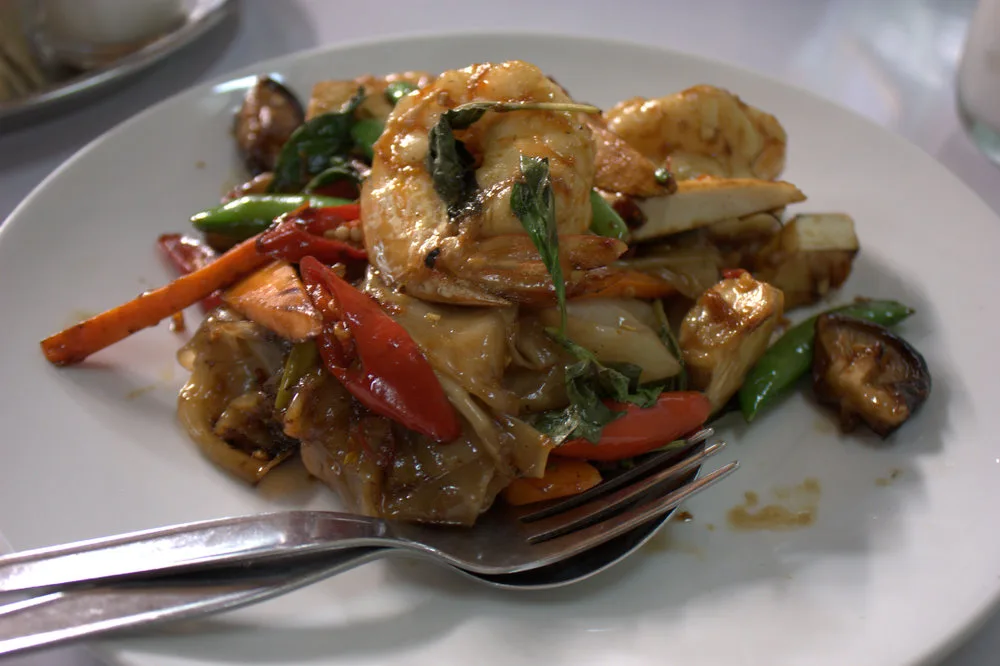
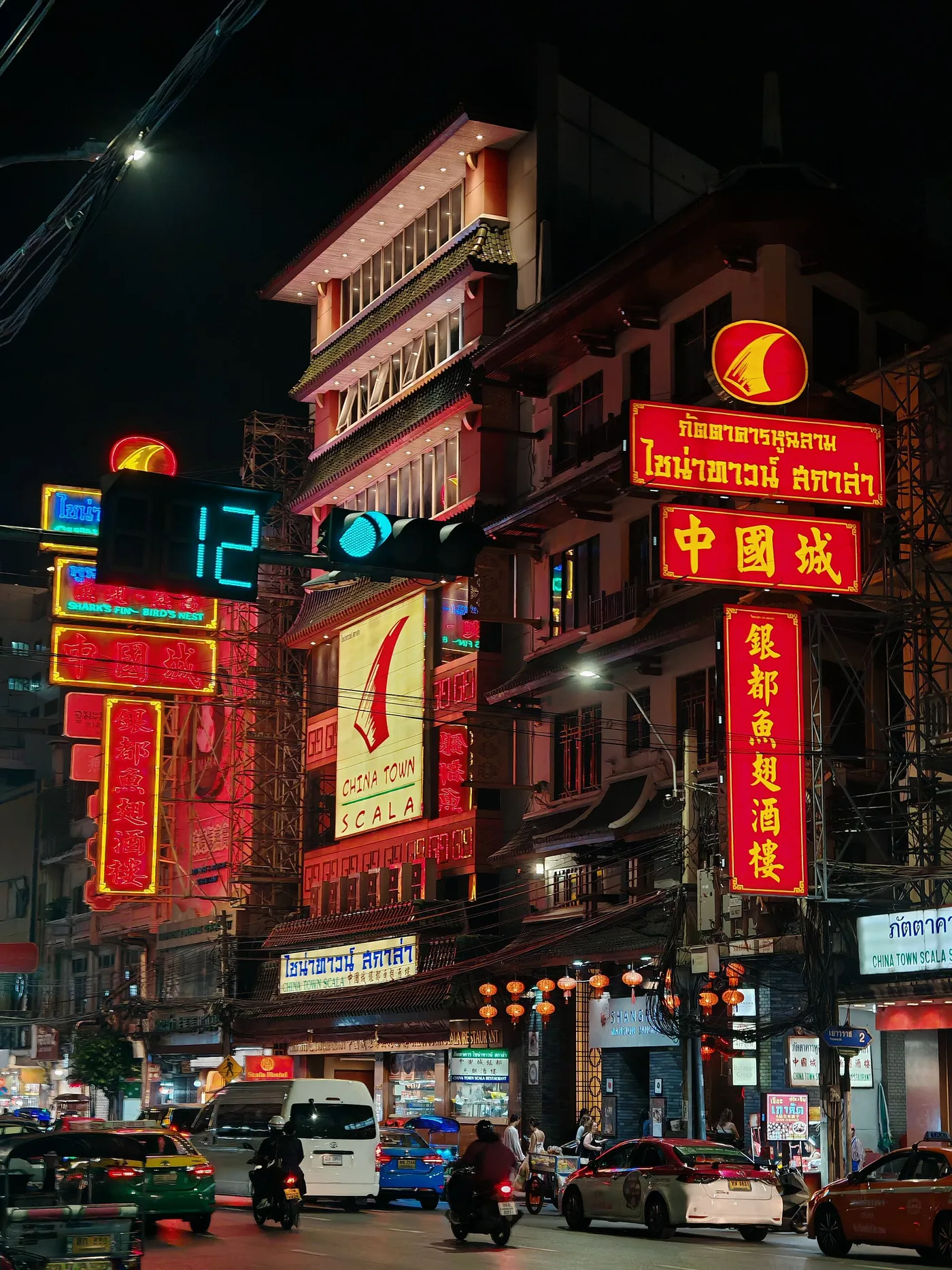
- — the street-food heart, and a night out in itself: grilled seafood, bird's-nest and shark-fin shops, noodle carts and gold stores under a mile of neon. Come hungry after dark.
- The night markets — (the Ratchada train-market's successor) is stall after stall of food, drinks and the famous leng saap (spicy pork spine); great for a group graze.
- — the premium fresh market by Chatuchak: perfect fruit, curries and prepared food, spotless and a cut above.
How it works
- Eat where it's busy and local. A queue of Thai office workers beats an empty place with an English menu every time.
- Handle the heat. "Spicy" here is a different scale; "mai phet" means "not spicy," and even that can bite. Order milder than you think and build up.
- Sit on the stool. The best food comes off the humblest carts — pull up a plastic seat, point at what looks good, and pay a few baht.
The mistake to avoid
Eating in the mall food courts because they're air-conditioned and easy. They're fine, but the real thing is on the street — a cart that's cooked one dish for twenty years, a night market humming after dark. Brave the heat and the plastic stools; that's where Bangkok eats.
Sorting a week of Bangkok meals — the Chinatown night, the market graze, the one-wok legend, all near where you already are — is fiddly by hand. We do about 80% of that research for you, in roughly a minute. Tell us your dates and we'll put the right Bangkok food at the right time in your day — near where you already are, at meal times, the night markets set for the evening. A solid first cut you can run with.
A full day-by-day plan in about a minute — free, no account.
✨ Plan my trip