

Japan's winter illuminations: where and when
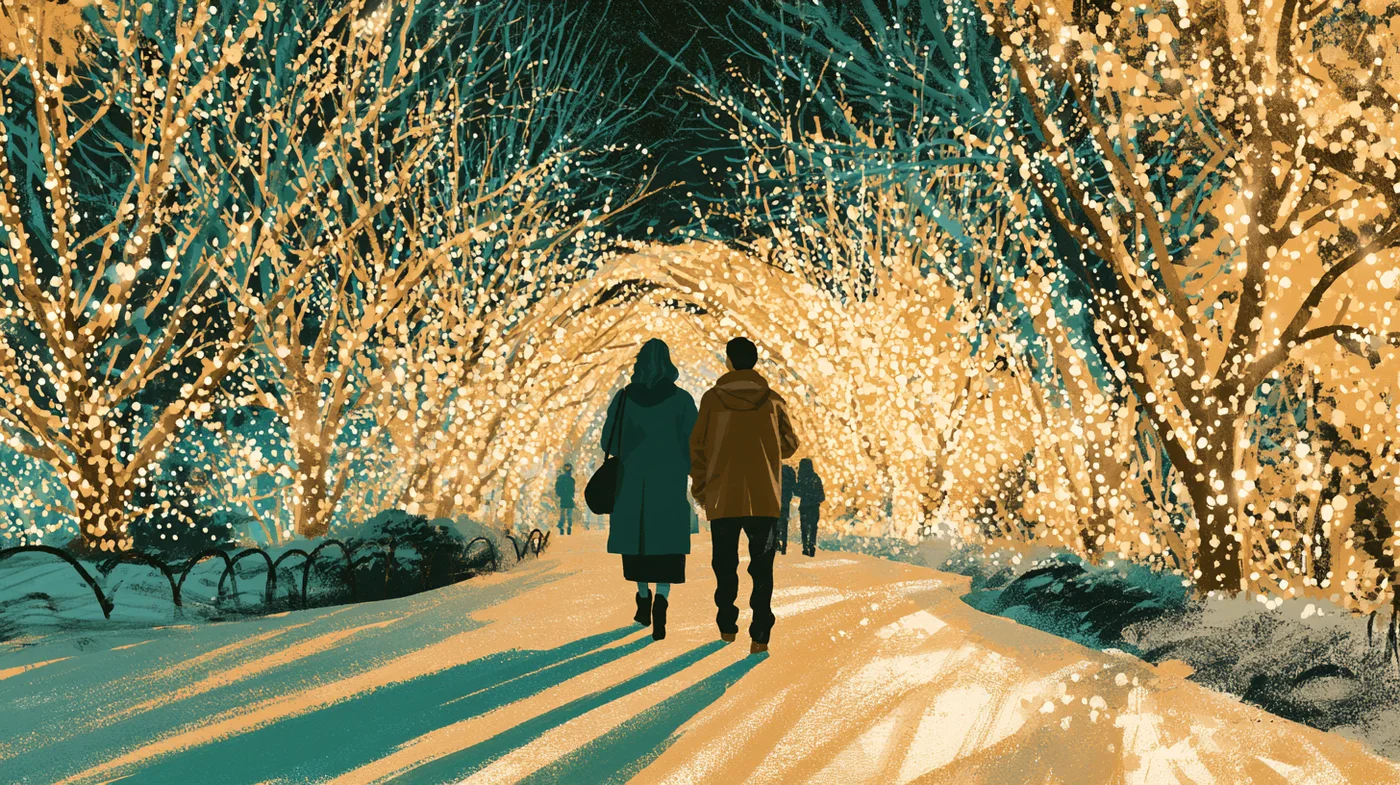
From mid-November, Japan lights up. Whole gardens, tunnels of LEDs, avenues turned electric blue — winter illuminations are a season of their own, and they run long after Christmas. Here's where the big ones are, when each runs, and which is worth building a night around.
The blockbusters
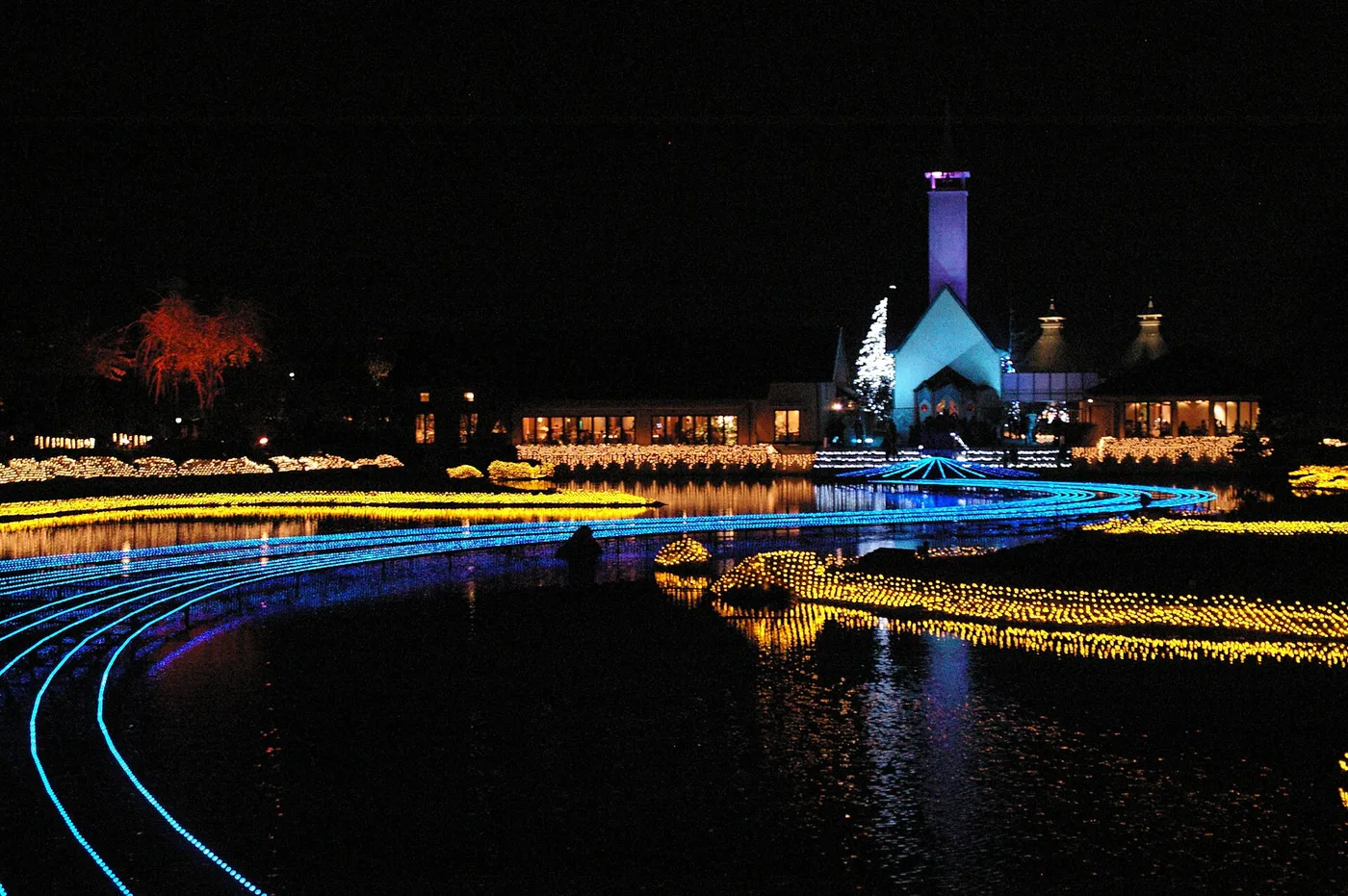
- Nabana no Sato (near Nagoya) — the biggest by far: millions of bulbs, a walk-through light tunnel, a full-garden show. It runs roughly mid-October into late spring, so it's the one that's almost always on. Worth a special trip if lights are your thing.
- Kobe Luminarie — the moving one: an avenue of illuminated arches, held in memory of the 1995 earthquake. Only about ten days in early December, so it's a date to plan around, not stumble upon.
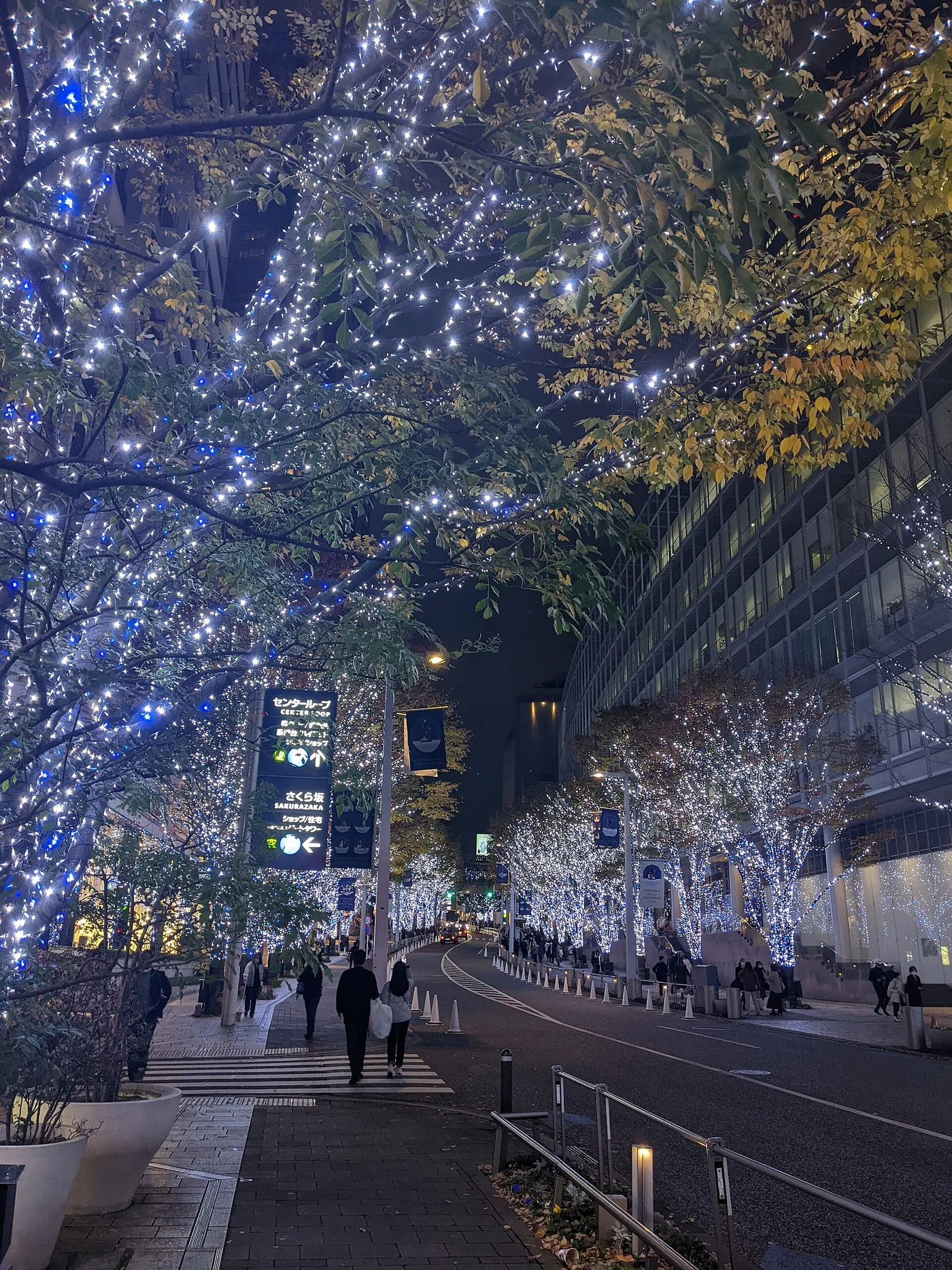
- Tokyo — no single venue but many: the Marunouchi avenue by Tokyo Station, ' Keyakizaka, Shibuya's blue-cave display, and 's Jewellumination. Marunouchi runs the longest — into February — while some of the others wrap by Christmas (see below).
- Osaka — the Midōsuji avenue lights its ginkgo trees from November through December, and the Hikari-Renaissance along the riverside — Osaka's festival of light — runs a much shorter window, usually the back half of December.
When they run — and the catch
Most illuminations run late November to mid-February, so they long outlast Christmas, and January is quieter and just as bright. (Tokyo in December has the month's weather and crowds.) The ones that catch people out are the ones that finish early: Kobe Luminarie is only about ten days in early December, and Roppongi's Keyakizaka, Shibuya's Blue Cave and Osaka's Nakanoshima riverside all wrap around Christmas or just after. For anything you're travelling specially to see, check the current year's dates — they shift a little each year.
How to see them without freezing the trip
Illuminations are an evening thing, so they cost you nothing in daylight: sightsee by day, add lights after dark. Pair one with an early dinner, dress for a cold wait, and don't try to do two across a city in a night. One seen properly beats three glimpsed from a taxi window.
No big display on your night? The observation decks are a lit show of their own — or in Tokyo, or in Osaka — a warm window over the whole city after dark, and bookable ahead.
Where they fit
Because they're after-dark, lights slot into a winter trip almost for free. The trick is putting the right one on a night you're already in that city, without a cross-town scramble — fiddly to work out by hand. We do about 80% of that timing for you, in roughly a minute. Tell our planner your dates and it drops the lights onto the evenings that work, city by city. A solid first cut you can run with.
A full day-by-day plan in about a minute — free, no account.
✨ Plan my trip