

Japan at New Year: what's open, what closes (oshōgatsu)
New Year — oshōgatsu — is Japan's Christmas, Thanksgiving and Hogmanay rolled into one, and it runs roughly December 29 to January 3. If your trip lands then, two things are true at once: a lot of ordinary Japan closes, and the most Japanese thing you can witness is wide open. Here's how to read it.
What closes — plan around this
From about December 31 to January 3, a lot of independent life shuts: neighbourhood restaurants and izakaya, small shops, some museums and attractions, clinics, most offices. Even headline sights shut for the week: the Osaka Castle keep (December 28 to January 1; the grounds stay open), Tokyo's Shinjuku Gyoen and the Imperial Palace East Gardens, and much of the Tsukiji Outer Market (January 1 to 4). January 1 is the quietest — many family-run places close for two or three days. Kyoto feels it more than Tokyo; a Kyoto backstreet on New Year's Day can be shuttered end to end.
What's gloriously open — this is the point
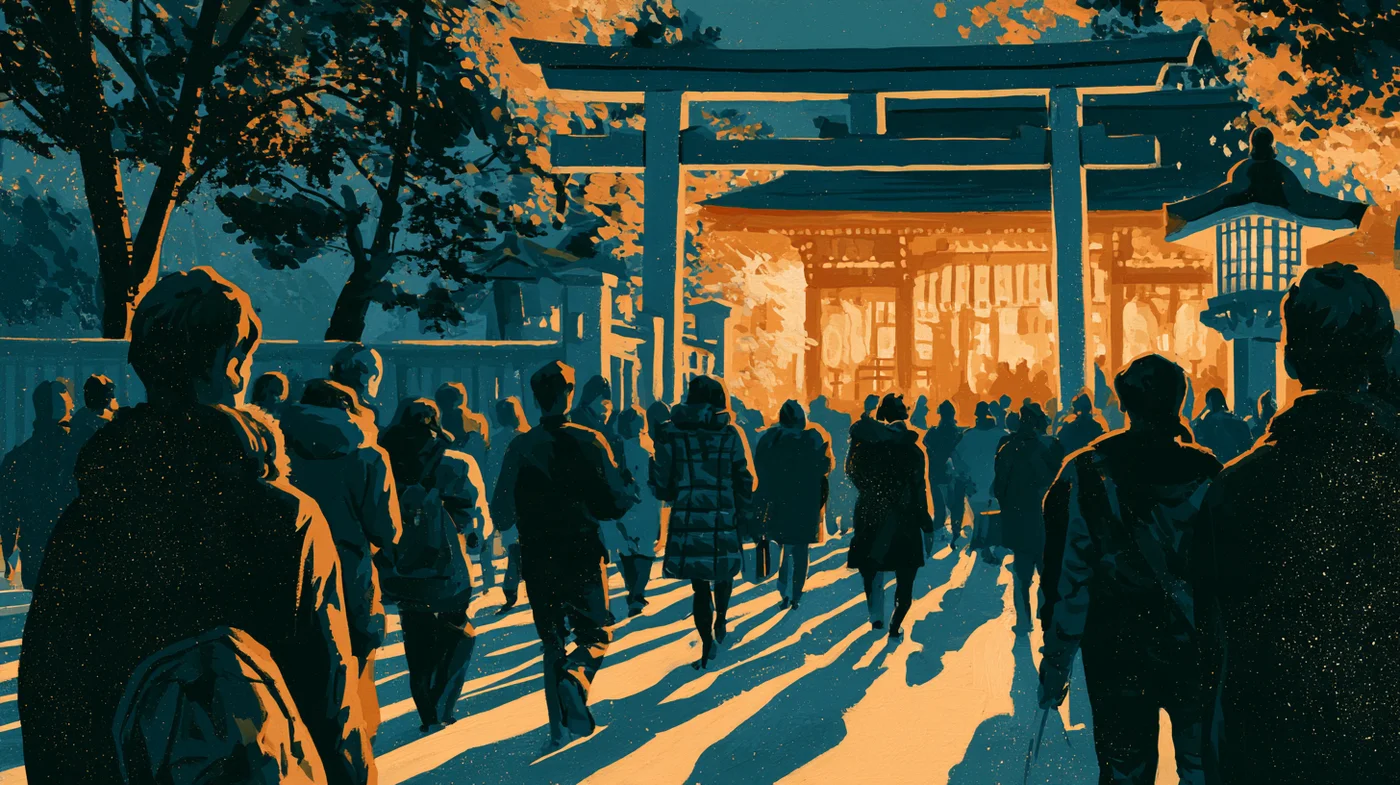
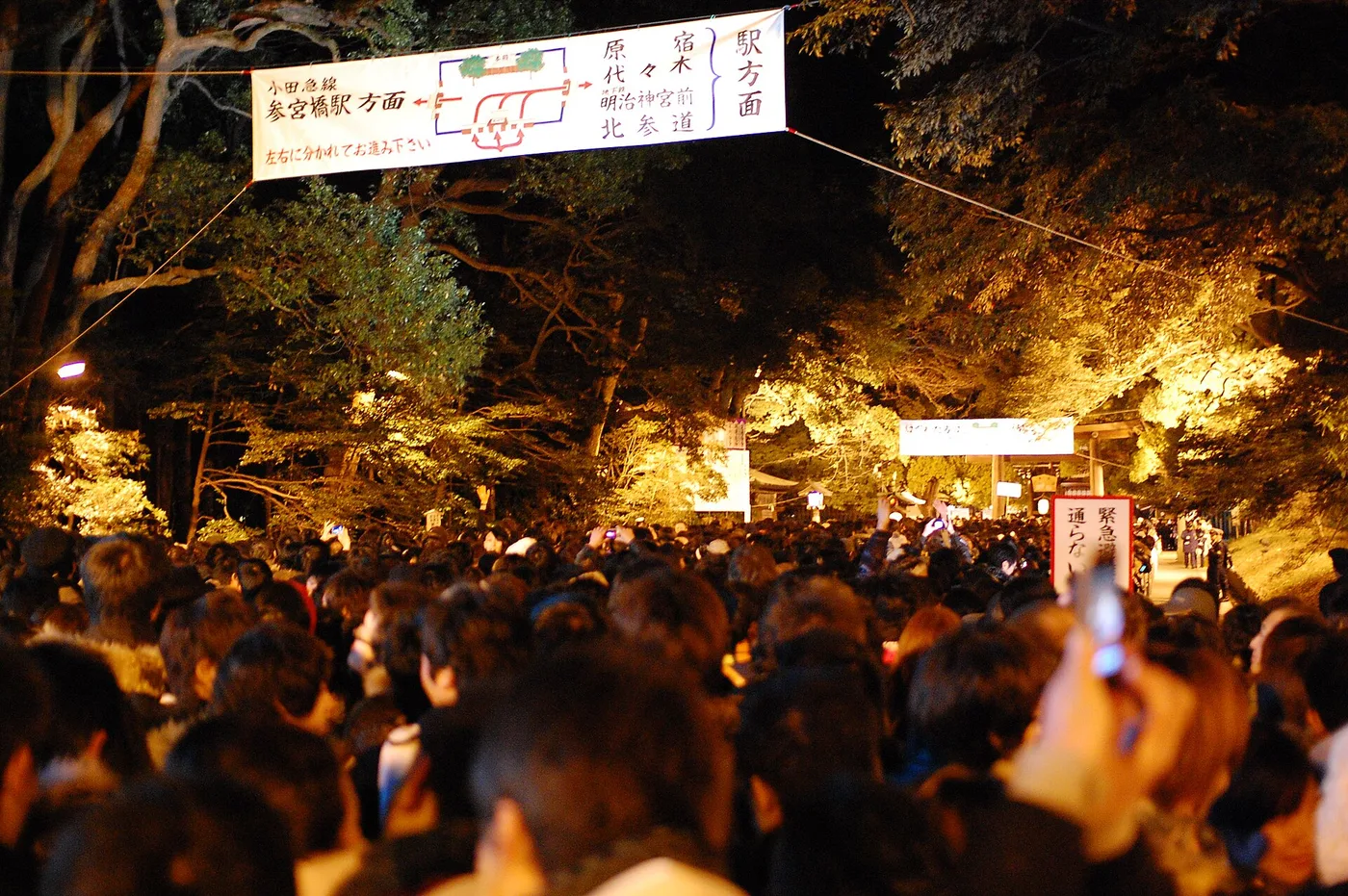
- Shrines and temples, for hatsumōde — the year's first shrine visit. and draw millions; glows all night; in Kyoto, and keep their gates open too, and Osaka's throws its gates open at 22:00 on New Year's Eve. Busiest from midnight on New Year's Eve through January 3 — go, but go expecting a crowd.
- Convenience stores — open as always, and genuinely your lifeline for meals on the 1st.
- Department stores — mostly closed January 1, then reopening around the 2nd with fukubukuro "lucky bag" sales and huge crowds.
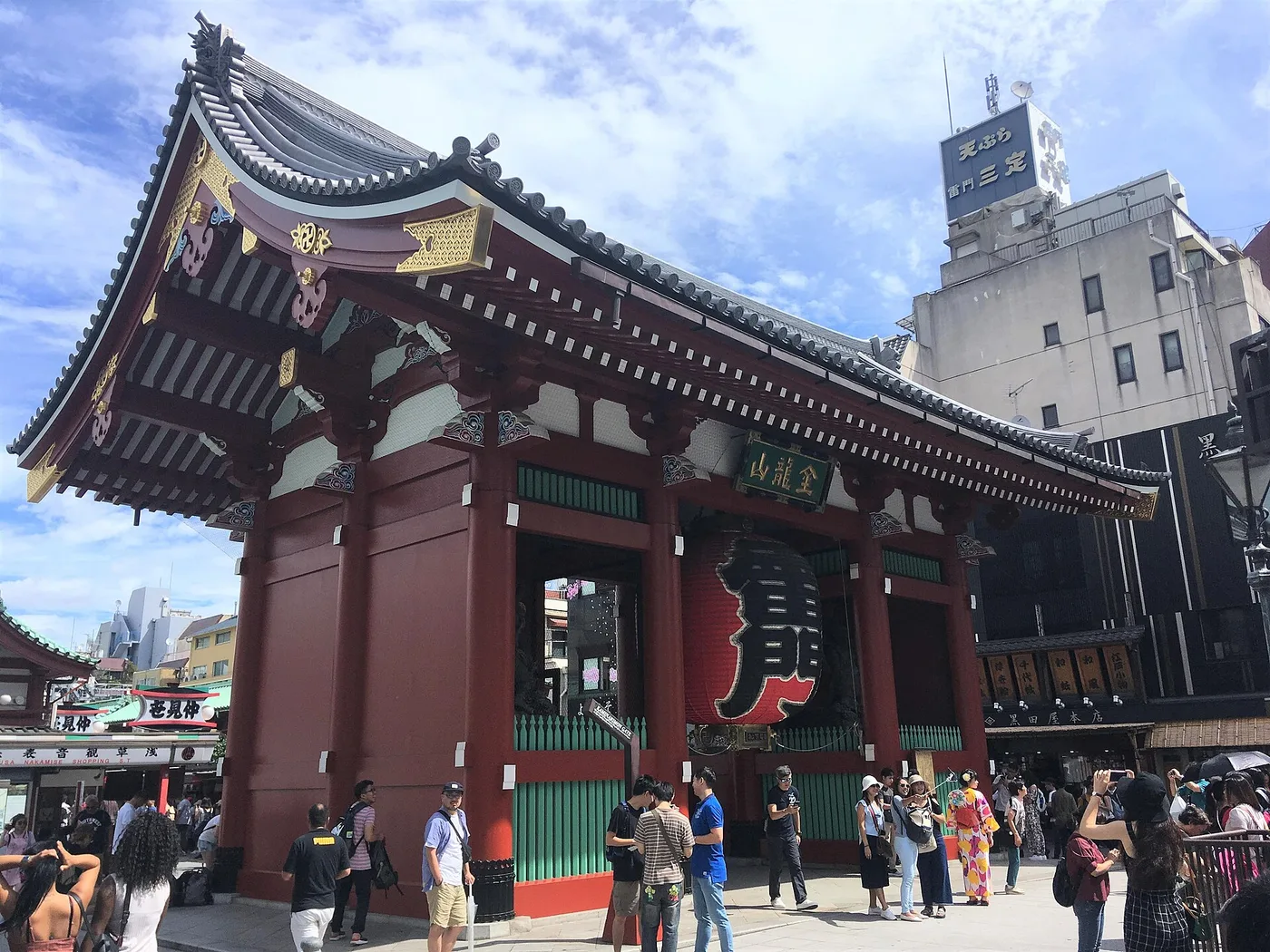
- Theme parks, towers and big chains — Tokyo Disney and run with New Year specials (Universal does a big New Year's Eve countdown); the observation decks stay open — even runs extended hours in early January, and too; chain restaurants and malls largely stay open.
The traveller's playbook
- Don't count on your local izakaya on January 1. Find the chains, hotels and department-store food halls that stay open, and book anything special well ahead.
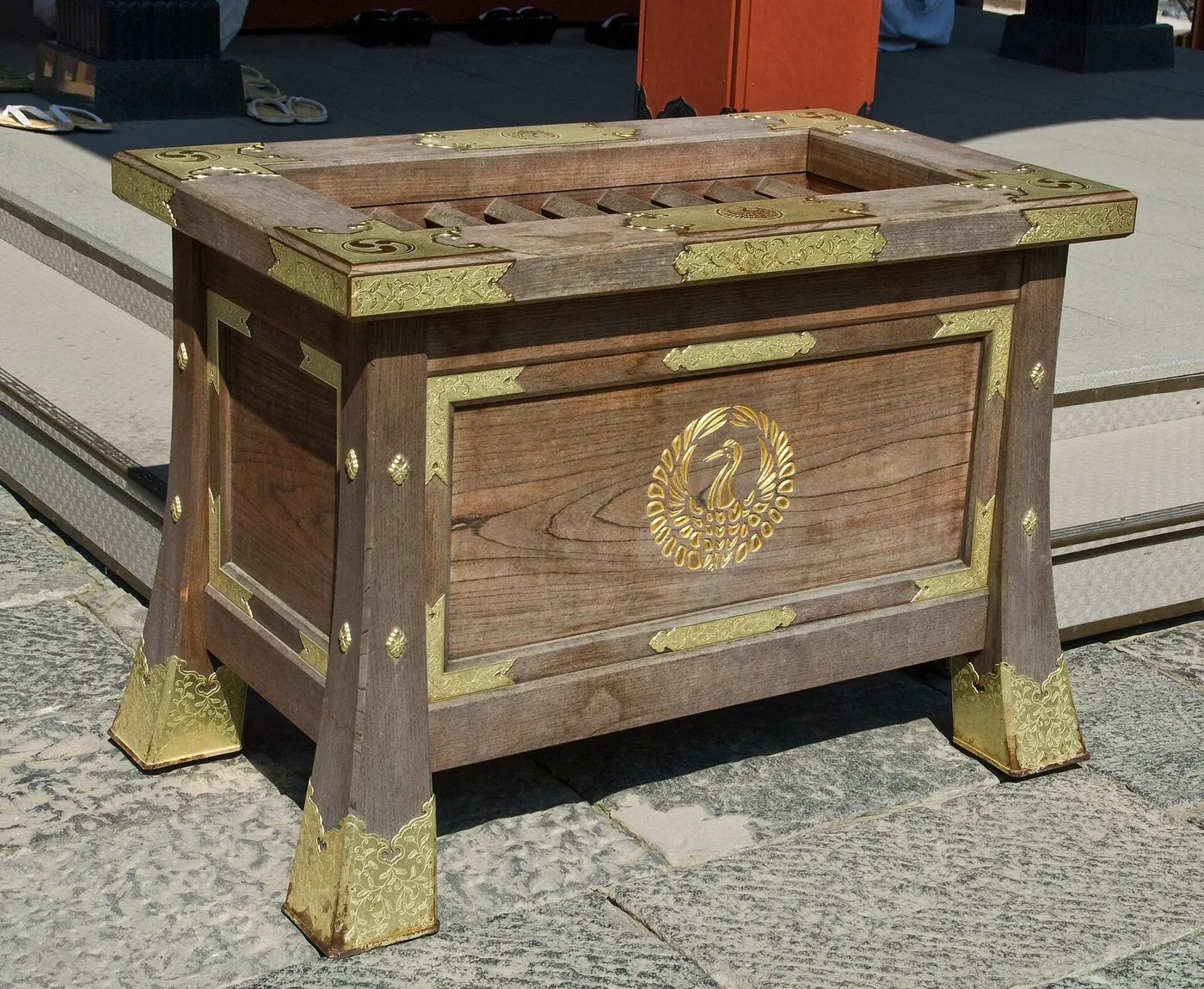
- Do one hatsumōde. It's the rare time the ritual is the sight — worth the cold and the crowd. The Shinto drill at the shrine: toss a coin into the offering box (the saisen-bako), bow twice, clap twice, make your wish, then bow once more. Everyone around you is doing the same, so just follow along.
- Stock the convenience store the night before New Year's Day.
- Trains run on a holiday timetable, with special all-night services to big shrines on New Year's Eve. Getting around is fine; it's dinner that needs the forethought.
- Aim your city days. Tokyo has far more open than Kyoto across the shutdown, so weight the quiet days toward the bigger city.
Let the plan handle the closures
Knowing what's actually open on the day you're standing there is the hard part — hours of checking. We do about 80% of it for you, in roughly a minute. Tell us your dates and we'll build around the New Year shutdown: hatsumōde on the right night, the open places for meals, the quiet days spent where there's most life. A solid first cut you can run with.
A full day-by-day plan in about a minute — free, no account.
✨ Plan my trip