

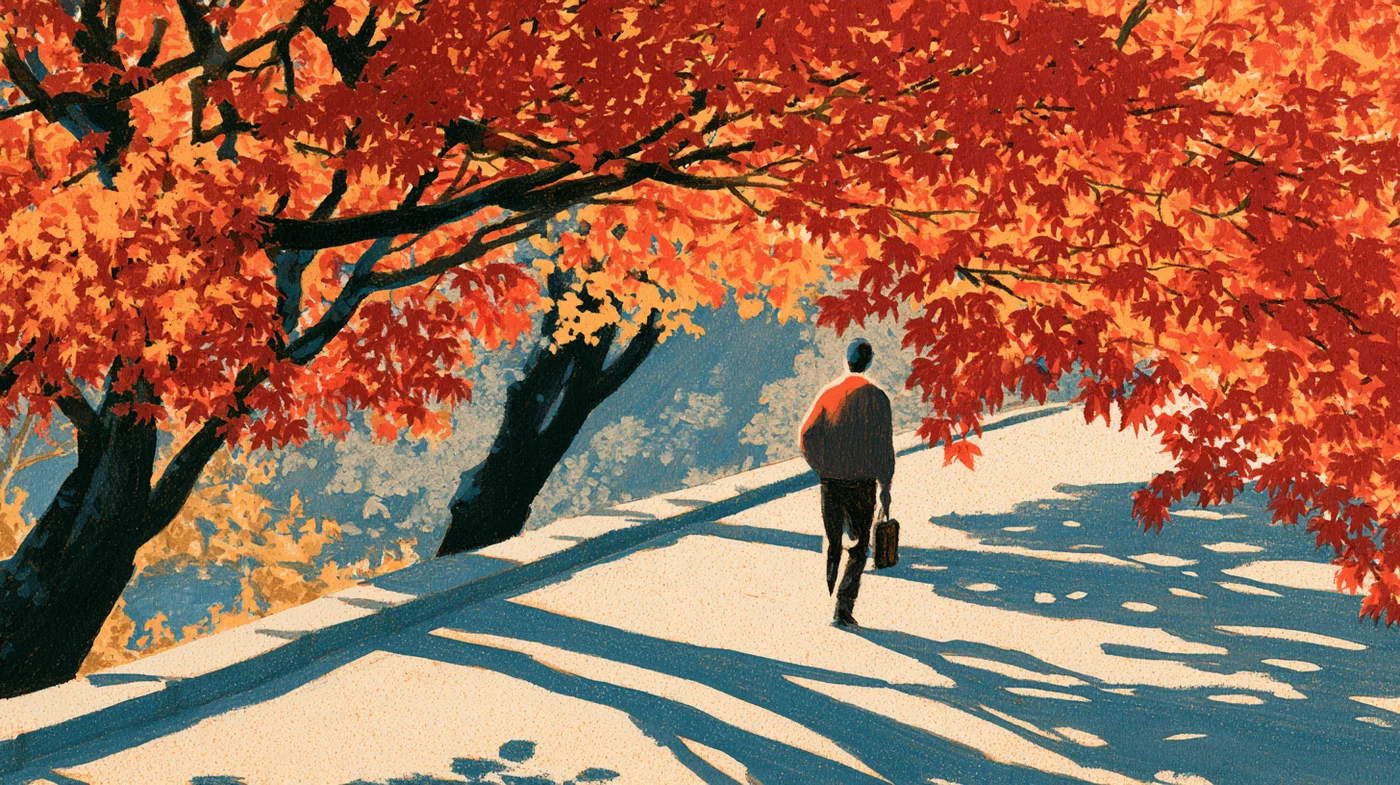
Japan's autumn leaves: when, and where to catch them
Short answer: Japan's autumn colour isn't a single date but a six-week spectrum. It starts high and north — the Japan Alps and the uplands around Nikkō, in mid-to-late October — then rolls down to the lowland cities (Tokyo, Kyoto, Osaka) through mid-to-late November, and holds in Kyoto's temple gardens into early December. So when depends entirely on where. A warm autumn nudges the whole spectrum a little later than usual, a cold one pulls it earlier — so check the current year's forecast (more on that below).
The one rule: high and north go first
The leaves turn in the mountains and the north before the lowland cities. Follow the wave and the season is long; pin yourself to one place and you get a narrow window.
- Late October — the highlands. The Japan Alps and the mountain resorts peak first: Kamikochi, Shiga Kogen, the higher ground around Nikko. These also finish first, and some — Kamikochi among them — close for winter by mid-November. Go early or miss them.
- Mid-to-late November — the cities. Tokyo, Kyoto and Osaka turn about a month after the mountains. This is the sweet spot for a normal city trip — see Kyoto in November for the weather and crowds that month.
- Late November into early December — Kyoto's temples. The lowland temple gardens hold their reds longest, right into the start of December in a warm year.
Where to go for the colour
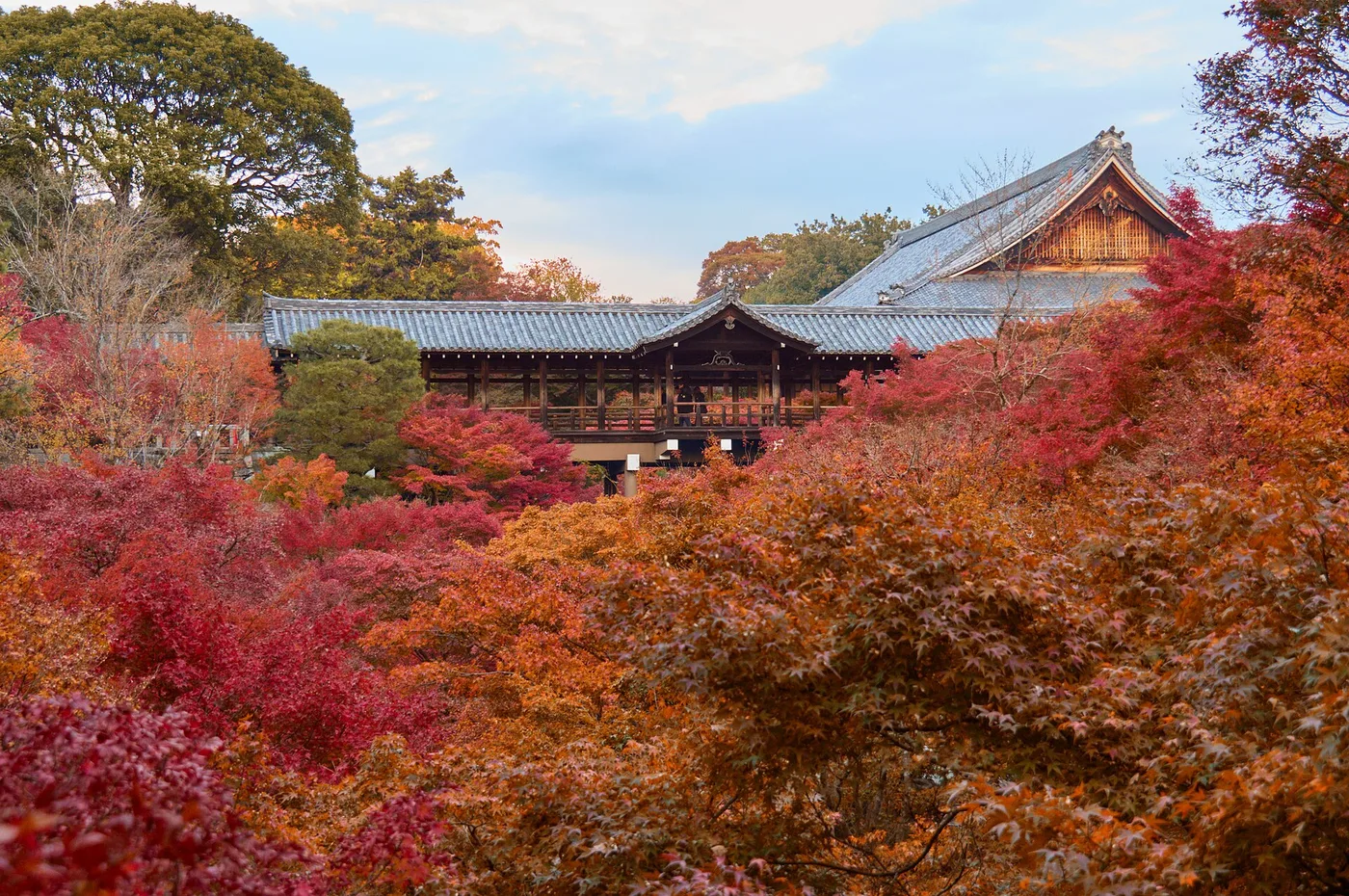
- Kyoto (the classic). 's maple valley is the postcard; Arashiyama, and the approach are all sublime in colour. Go at opening — foliage season is Kyoto's busiest.
- Tokyo. The old strolling gardens — and — do maples beautifully, and the turns a solid gold a little later.
- The mountains, as day trips. in late October, Kamikochi in mid-October, or for red leaves with Mt Fuji behind them.
Timing it without getting burned
The usable window is roughly ten days before to a week after a spot's forecast peak. The catch: the exact peak shifts every year with the weather, so the forecasts only firm up through October — check the current year's before you lock dates. For a Tokyo-and-Kyoto trip, aim for mid-November to early December and you'll catch colour somewhere on the route.
The other catch: everyone else is going too
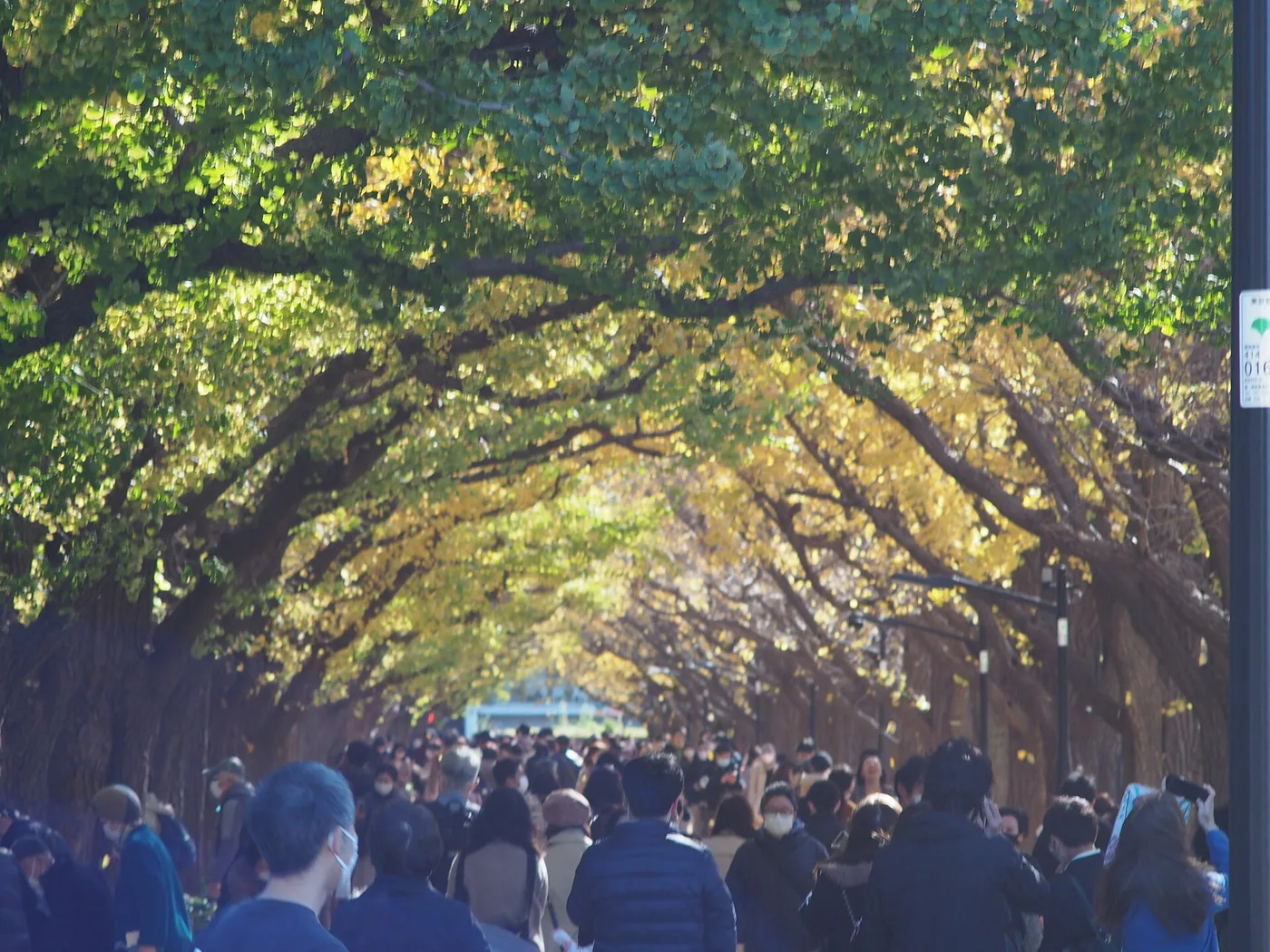
Foliage season is peak domestic travel. Kyoto in particular gets crowded and hotels get pricey through late November — book your rooms early, and hit the famous temples right at opening or late afternoon. It's the same crowd-smart timing our planner builds into your Kyoto days.
Don't pin the whole trip to one leaf
The mistake is booking around a single spot's peak, then finding you're a week early or late. Working the koyo wave out by hand is hours of cross-referencing; we do about 80% of it and hand it back in roughly a minute. Tell us your dates and we'll shape the days around the colour and the crowds, high ground first while the cities ripen, spread across the route so the season works for you. A solid first cut you can run with.
A full day-by-day plan in about a minute — free, no account.
✨ Plan my trip